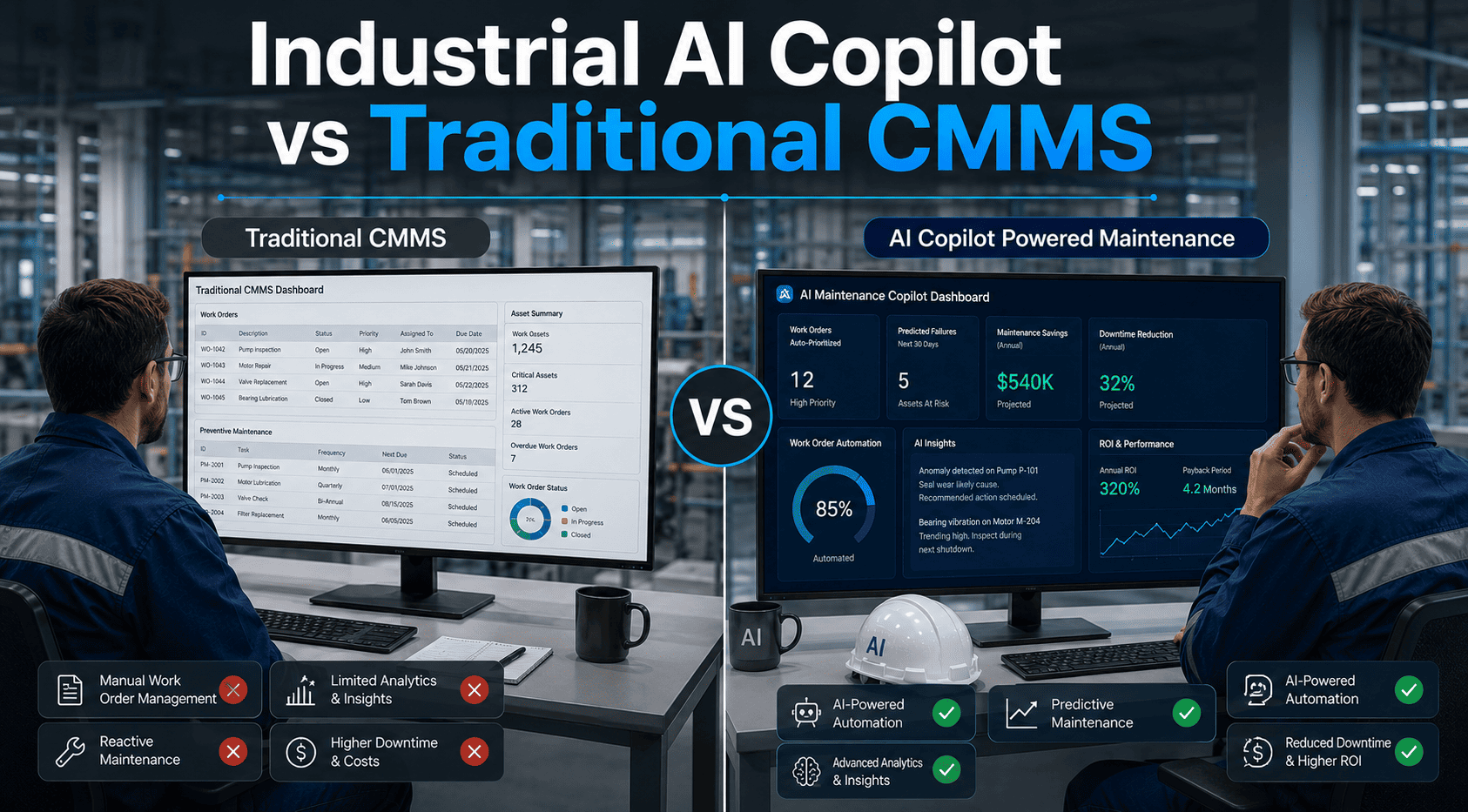
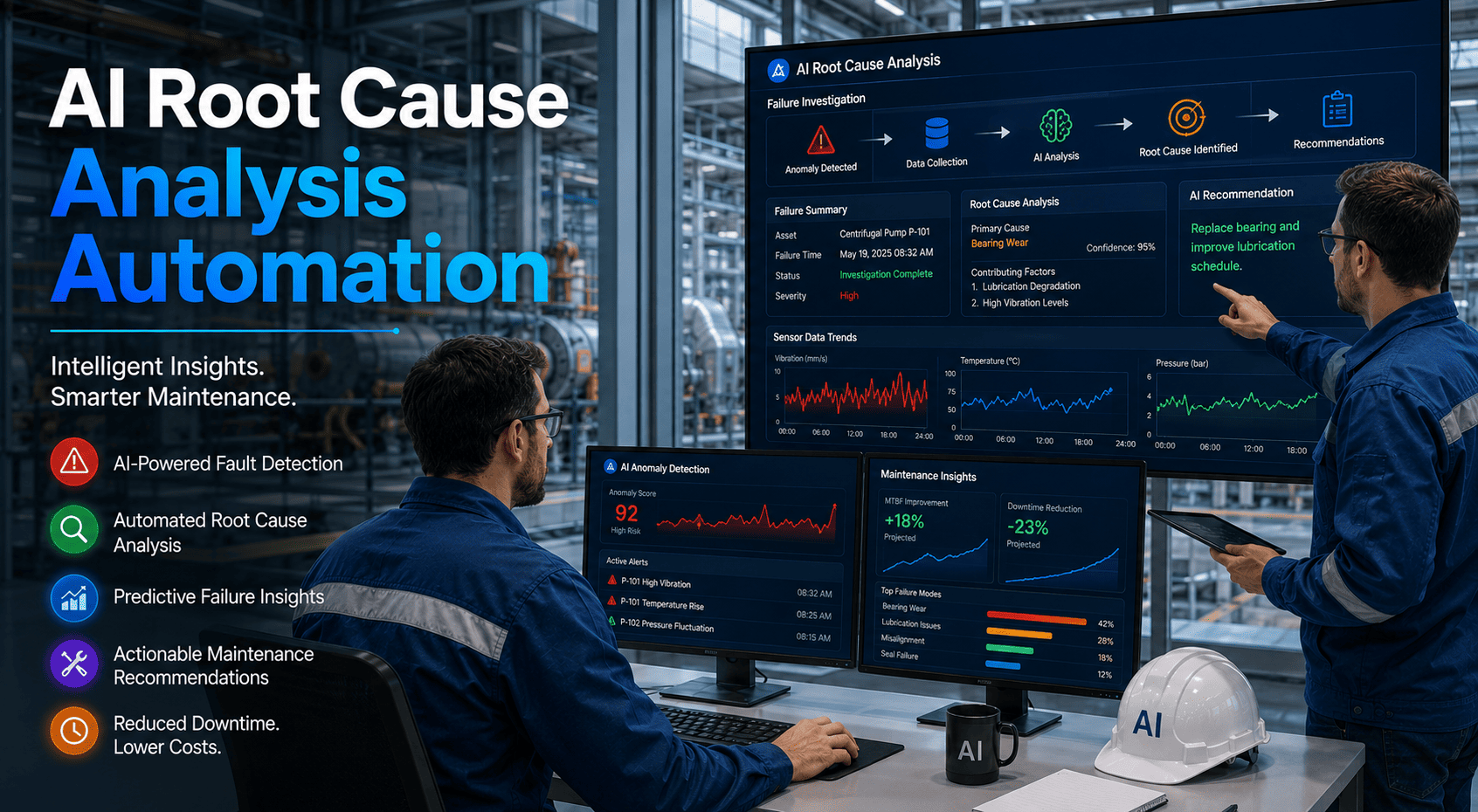
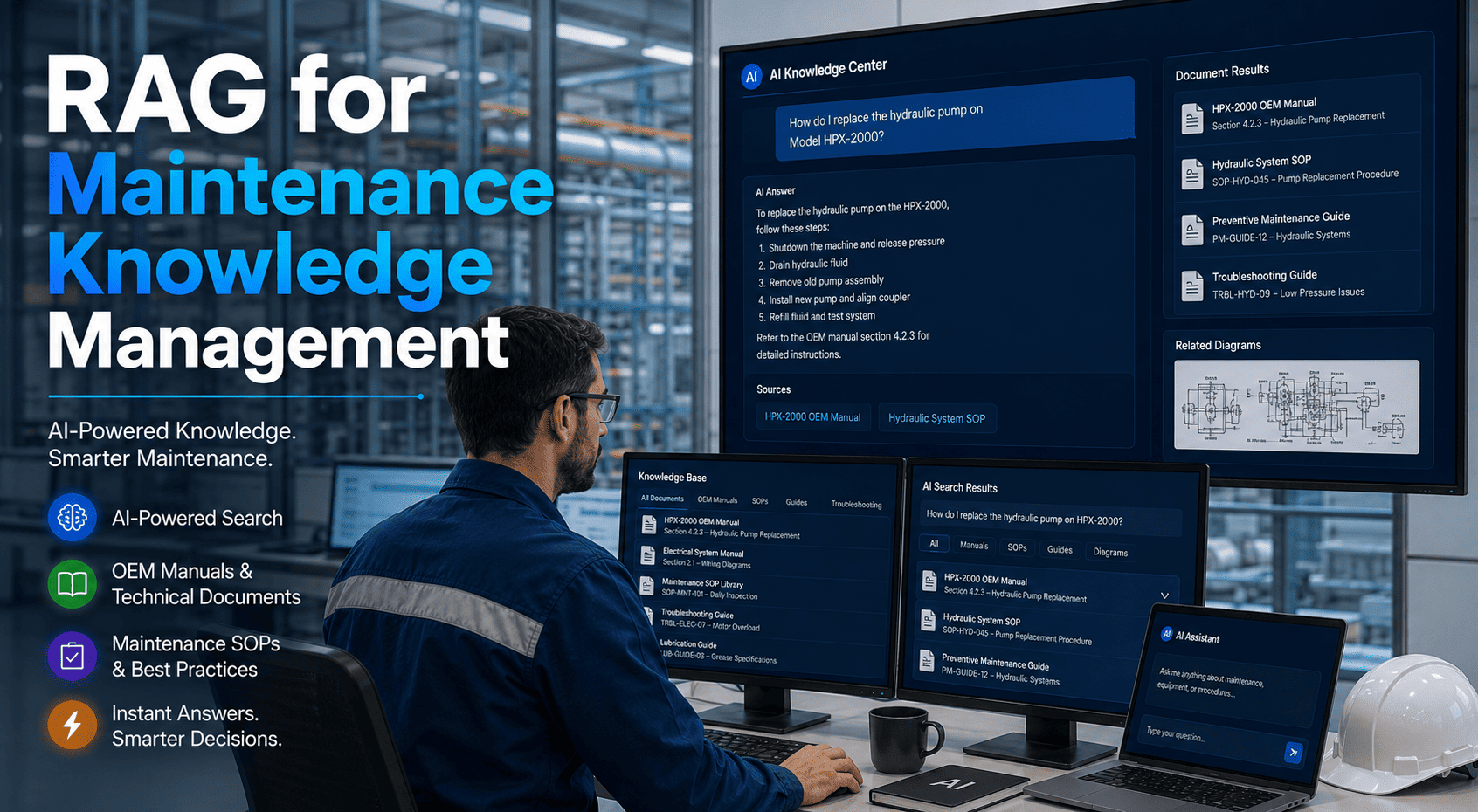
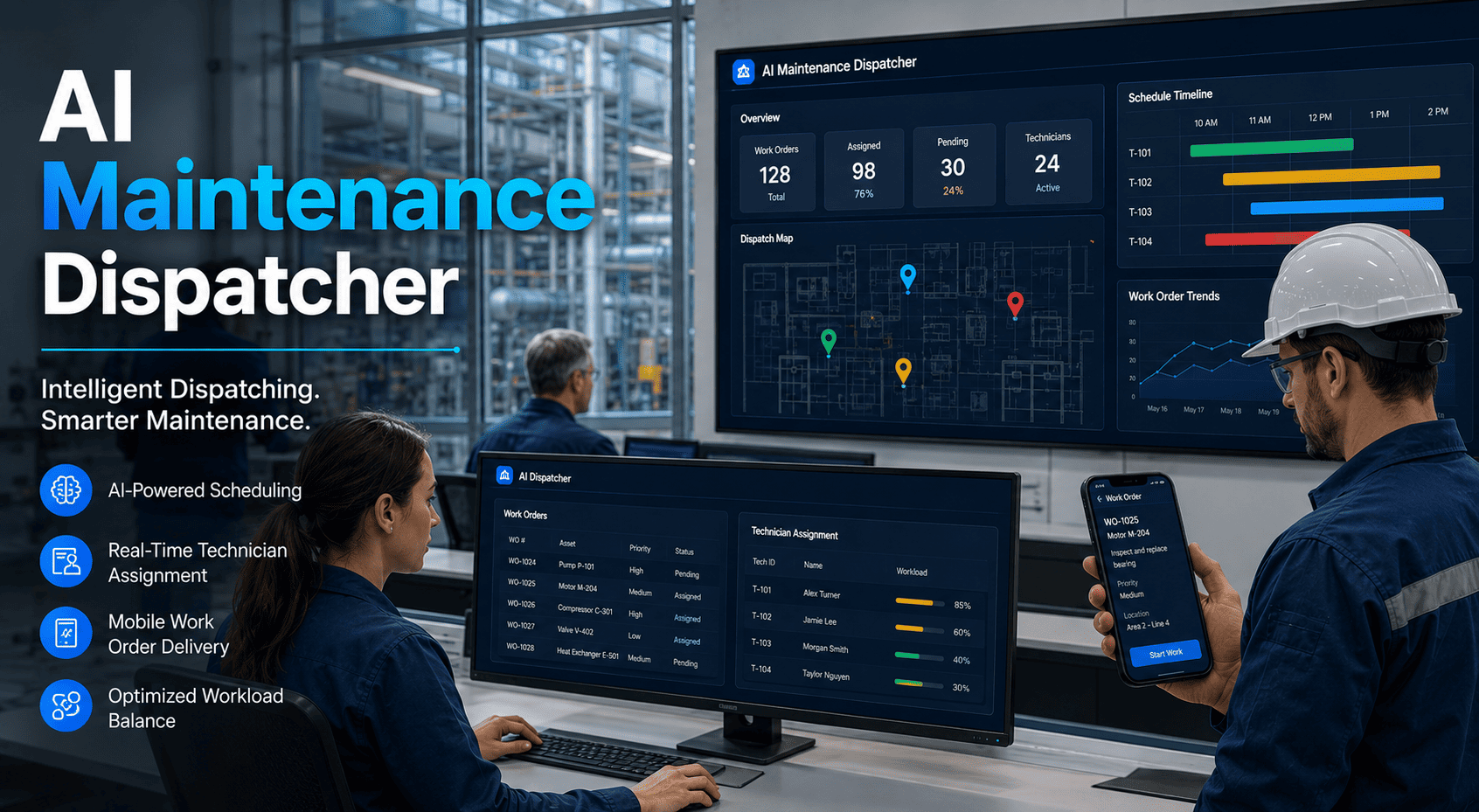
Every 7 seconds, a worker is injured on the job in the United States. In manufacturing alone, 220,000 workplace injuries were recorded in a single year — costing the industry over $170 billion in direct and indirect expenses. The pattern is consistent across plants of every size: equipment that should have been inspected wasn't, safety checklists that should have been completed weren't, and compliance documentation that should have been audit-ready was buried in filing cabinets or lost entirely. The facilities that break this cycle share one thing in common — they replaced reactive, paper-based safety management with a digital system that prevents injuries before they happen. That is exactly what OxMaint delivers. Want to see how it works for your plant? Start a free trial for 30 days or book a demo with our team.
How CMMS Prevents Manufacturing Safety Injuries — Before They Happen
Manufacturing accounts for 15% of all workplace injuries despite employing only 8% of the workforce. A CMMS-driven safety program targets the root causes — missed inspections, deferred maintenance, and undocumented hazards — to reduce recordable incidents by up to 60%.
220KManufacturing injuries recorded annually in the US alone
$167BTotal annual cost of workplace injuries to US employers
80–90%Of serious injuries caused by human error — preventable with systems
$4–6Return for every $1 invested in injury prevention programs
The Problem
Why Manufacturing Injuries Keep Happening
Manufacturing has a TRIR (Total Recordable Incident Rate) of 3.3 per 100 workers — higher than the national average of 2.8. The root cause isn't a lack of safety awareness. It's a lack of systems that enforce consistent execution of safety-critical maintenance. Here are the six failure points that account for the majority of preventable manufacturing injuries.
Missed Equipment Inspections
Paper-based inspection schedules have 35–50% non-compliance rates. Uninspected guards, worn belts, and degraded safety interlocks remain undetected until someone is hurt.
No Real-Time Hazard Visibility
Supervisors can't see which machines are overdue for safety checks. 42% of OSHA violations cited in 2024 related to inadequate hazard communication and unscheduled inspections.
Incomplete LOTO Procedures
Lockout/tagout violations remain in OSHA's top 10 every year. Without digital enforcement, steps get skipped — exposing workers to stored energy hazards during maintenance.
Deferred Preventive Maintenance
When PM gets pushed back, safety-critical components degrade. Contact with objects and equipment is a leading cause of nonfatal injuries that result in days away from work.
Untrained Personnel on Tasks
Assigning technicians without verified certifications to hazardous tasks. CMMS tracks training records, licenses, and expiration dates — paper systems lose them.
Audit-Unready Documentation
OSHA serious violations can cost $15,000+ per incident. Plants without centralized digital records fail audits and face repeat citations that escalate into willful violation territory.
Every one of these failure points is a system problem, not a people problem. And system problems require system solutions. Explore how OxMaint addresses each one — start a free trial for 30 days and see the difference in your first week.
The Framework
The 4 Layers of CMMS-Driven Safety Prevention
World-class safety programs don't rely on one tactic. They build layered prevention systems where each layer catches what the previous one missed. OxMaint structures safety management into four integrated layers — each one measurable, auditable, and automated.
01
Scheduled Safety Inspections
Automated inspection work orders for machine guards, emergency stops, fire suppression, PPE stations, and electrical panels. Every inspection logged with timestamps, photos, and technician signatures — creating an audit trail that eliminates the 35–50% non-compliance rate of paper systems.
02
Preventive Maintenance on Safety-Critical Assets
PM schedules tied directly to safety-critical equipment — conveyors, presses, forklifts, compressors, electrical systems. Every dollar spent on preventive maintenance returns $4–6 in avoided injury costs. OxMaint automates PM triggers based on time, usage, or condition thresholds.
03
Digital LOTO & Permit-to-Work
Step-by-step lockout/tagout procedures enforced digitally. No step can be skipped. Energy isolation verification, multi-lock coordination, and permit-to-work approvals — all captured in OxMaint with digital signatures and timestamps.
04
Incident Reporting & Root Cause Tracking
When near-misses or incidents occur, OxMaint captures them instantly via mobile — location, photos, affected equipment, and immediate corrective action. Pattern detection identifies recurring hazards across shifts and lines, turning reactive response into proactive elimination.
OxMaint isn't a generic maintenance tool retrofitted for safety. It's built with safety-first workflows that connect equipment health, compliance documentation, and technician qualification into a single system.
Digital Safety Checklists
Pre-loaded inspection templates for machine guards, emergency stops, fire extinguishers, PPE stations, and electrical panels. Mandatory photo capture and digital sign-off — no checklist can be closed incomplete.
Automated PM Scheduling
Safety-critical PM work orders generated automatically by time, meter reading, or production cycles. Overdue alerts escalate to supervisors. PM compliance tracked in real-time dashboards.
LOTO Procedure Enforcement
Digital lockout/tagout workflows with step-by-step verification. Every energy isolation point documented. Multi-technician lock coordination built in. Zero steps skipped.
Audit-Ready Compliance Records
Every inspection, PM task, and corrective action stored with full audit trail — timestamps, technician ID, photos, and digital signatures. Ready for OSHA, ISO 45001, or internal audits at any time.
Training & Certification Tracking
Track technician qualifications, safety certifications, and license expiration dates. OxMaint blocks unqualified personnel from being assigned to hazardous tasks — automatically.
Incident & Near-Miss Capture
Mobile-first incident reporting with GPS tagging, photo evidence, and immediate corrective action assignment. AI-powered pattern detection flags recurring hazards across shifts, lines, and equipment types.
Every $1 invested in safety prevention returns $4–6 in avoided costs.OxMaint gives your safety team the digital tools to make that investment count — automated inspections, enforced LOTO, and audit-ready records from day one.
The difference between a plant with a 4.0+ TRIR and one below 1.0 isn't luck — it's whether safety is managed by system or by memory. Here's what changes when you move from reactive to preventive safety management.
Scroll to see full table
Safety Metric
Reactive / Paper-Based
OxMaint CMMS-Driven
Inspection Compliance
50–65% completion rate
95–100% with automated scheduling
LOTO Procedure Adherence
Inconsistent, undocumented
100% digital enforcement, no skipped steps
Hazard Response Time
Hours to days
Under 30 minutes with mobile alerts
OSHA Audit Readiness
Weeks of manual document gathering
Instant — all records digital and searchable
Safety-Critical PM Compliance
60–70% on-time completion
95%+ with automated triggers and escalation
Incident Reporting
End-of-shift paper forms, underreported
Real-time mobile capture with photo evidence
Near-Miss Tracking
Rarely captured or analyzed
Logged, categorized, and pattern-analyzed
Average Cost per Injury
$40,000+ per incident
Prevented — $0 per avoided incident
Plants that make this shift report TRIR reductions of 40–60% in the first year, and OSHA citation rates that drop to near-zero. See what the shift looks like for your operation — book a 30-minute demo and walk through your safety gaps with our team.
ROI
The Financial Case for CMMS-Driven Safety
Safety isn't a cost center — it's a profit driver. Plants with world-class safety performance (TRIR below 0.5) consistently report 30–50% better productivity, 40% lower turnover, and 25% higher profitability than industry averages. Here are the numbers that make the business case.
$40K+
Average cost per workplace injury — avoided entirely with prevention
60%
Average reduction in recordable incidents with CMMS safety management
$15K+
OSHA serious violation fine per incident — eliminated with compliant records
40%
Lower employee turnover at facilities with strong safety programs
We went from 12 recordable incidents in the prior year to 3 in our first full year on OxMaint. Workers' comp premiums dropped 28%. The safety team finally has time to focus on prevention instead of paperwork.
How does a CMMS reduce manufacturing injuries specifically?
A CMMS prevents injuries by automating safety inspections so they never get missed, enforcing lockout/tagout procedures digitally so steps can't be skipped, and scheduling preventive maintenance on safety-critical equipment before failures occur. Plants using CMMS-driven safety programs report 40–60% fewer recordable incidents. Try OxMaint free.
What OSHA standards does OxMaint help with?
OxMaint supports compliance with OSHA's most-cited standards including machine guarding (1910.212), lockout/tagout (1910.147), hazard communication (1910.1200), electrical safety (1910.303), and PPE requirements (1910.132). All inspection and maintenance records are audit-ready with digital timestamps and signatures.
How quickly can we see safety improvements after implementing OxMaint?
Most manufacturing facilities see measurable improvement within 60–90 days. Inspection compliance typically reaches 95%+ within the first month. Incident rates begin declining by month 3 as preventive maintenance catches the backlog of deferred safety-critical tasks. Book a demo to see it.
Is OxMaint suitable for multi-site manufacturing operations?
Yes — OxMaint is built for multi-site portfolios. Safety policies, inspection templates, and PM schedules can be standardized across all facilities while allowing site-specific customization. Portfolio-level safety dashboards give operations leaders visibility into TRIR, inspection compliance, and incident trends across every plant.
Trusted by Safety-First Manufacturing Teams Worldwide
Stop Reacting to Injuries. Start Preventing Them.
Join manufacturing facilities that reduced recordable incidents by 40–60%, eliminated OSHA citation risk, and built a safety culture that retains their best people — with OxMaint live in 3–5 days.