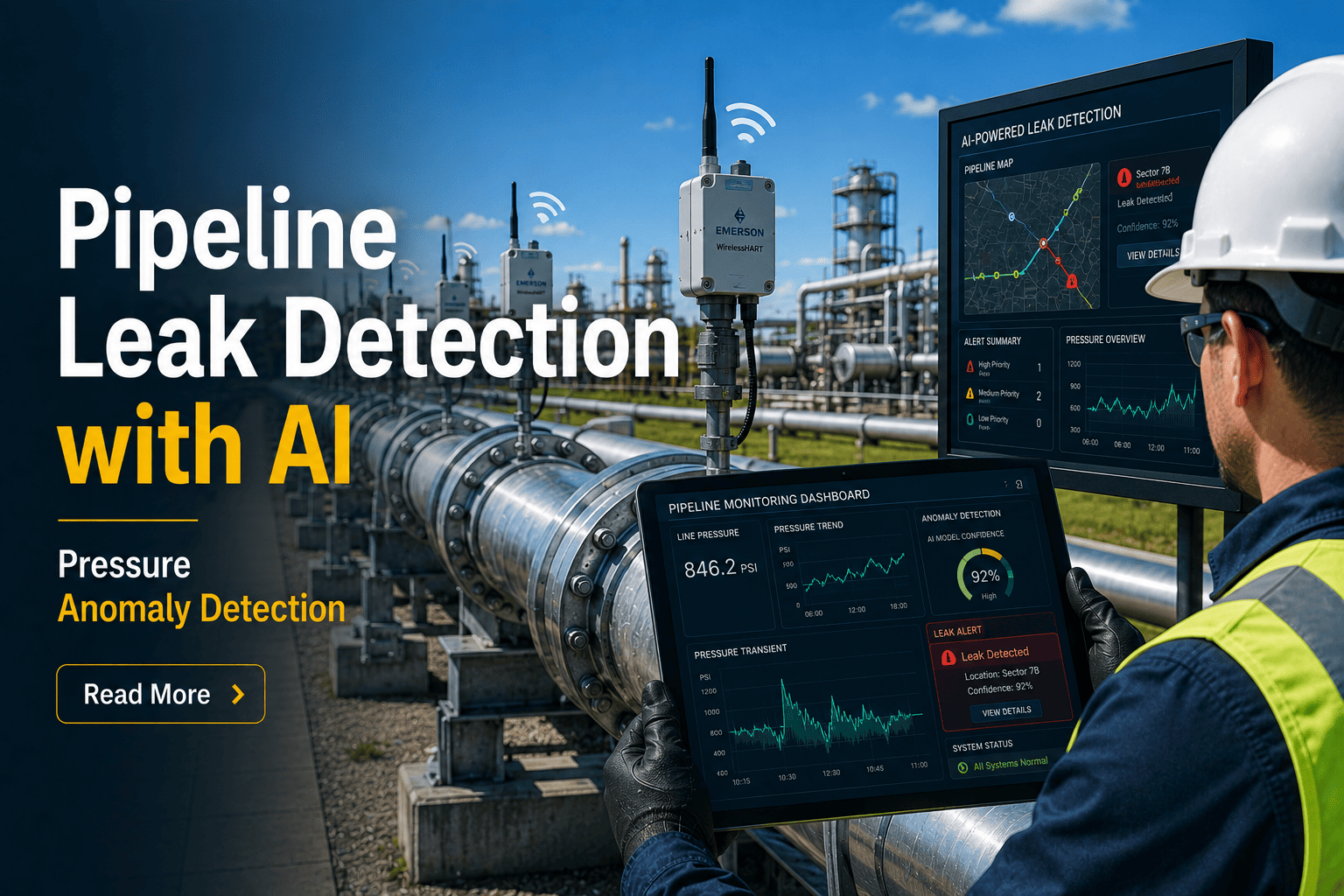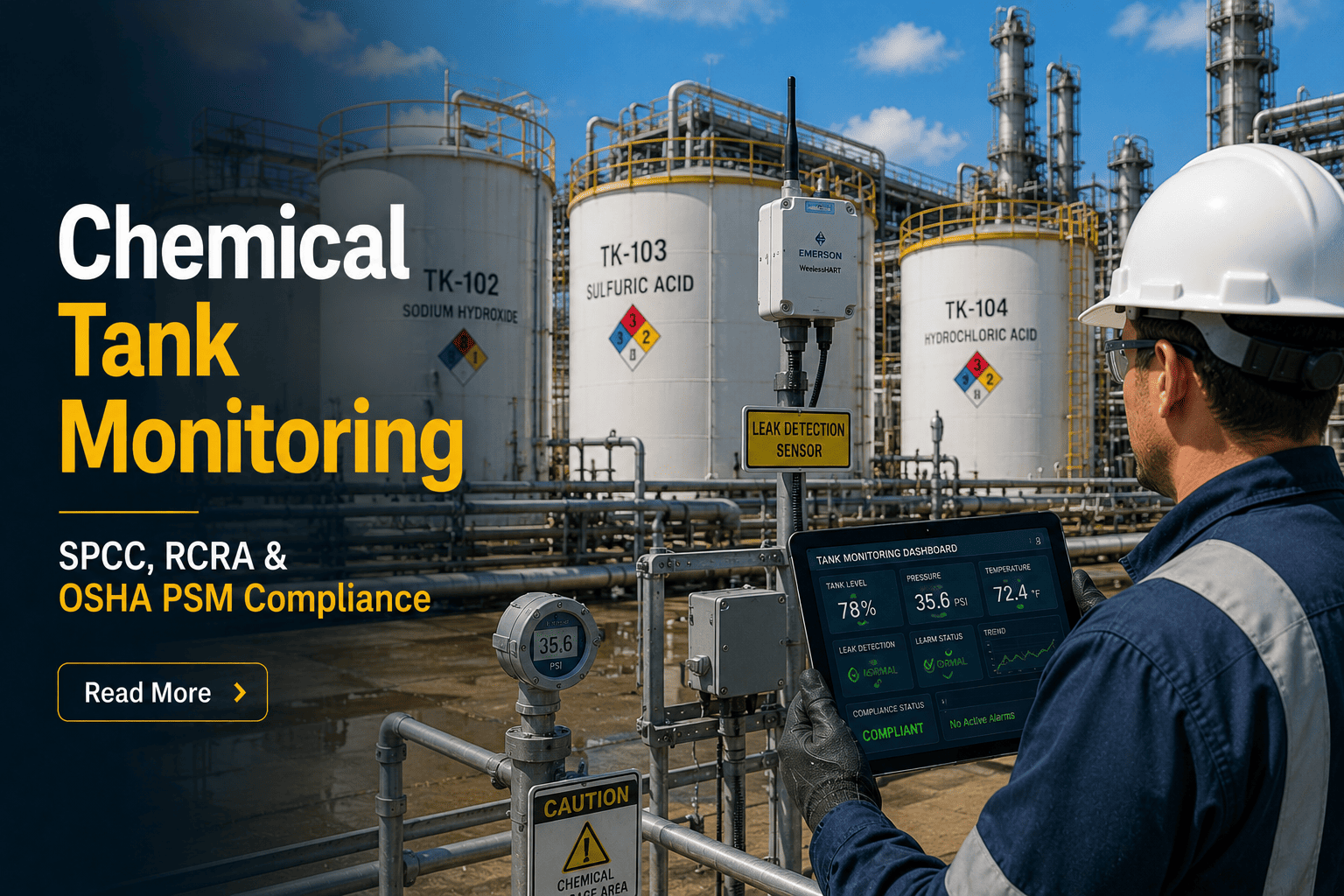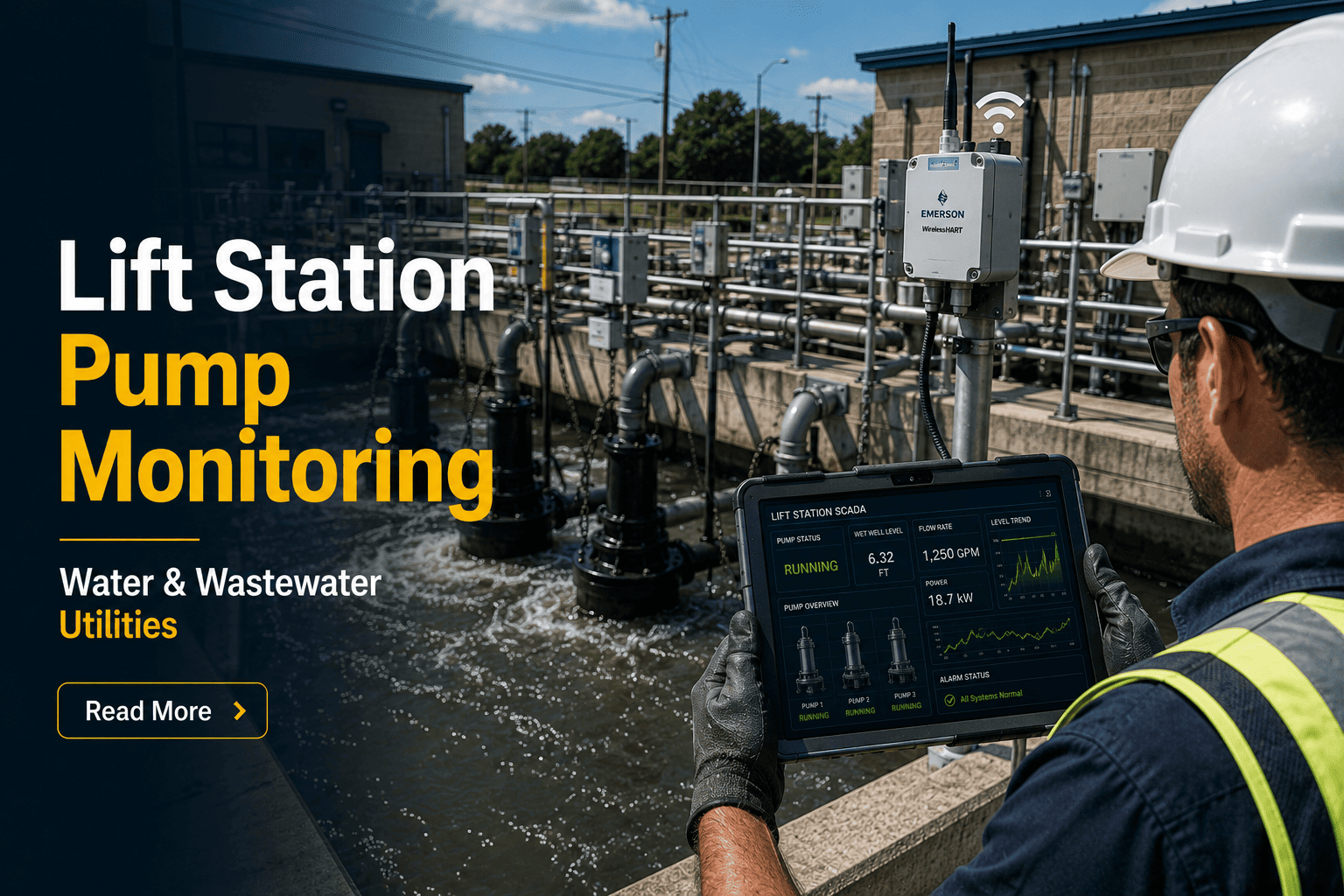
Most industrial fluid systems are running blind. Tanks overflow or run dry before anyone notices. Pipeline pressure drops signal leaks that go undetected for days. Temperature excursions damage product quality silently. And the operators responsible for these assets are working from manual rounds, clipboards, and gut instinct — not live data. In utilities, chemical plants, and water treatment facilities, that gap between what equipment is doing and what operators know is where incidents happen and budgets bleed. Wireless multi-parameter monitoring closes that gap by placing real-time vibration, pressure, level, and temperature intelligence directly inside your CMMS — so the system knows before your team does. Start a free trial and connect your first fluid assets to OxMaint this week, or book a demo to see live sensor-to-work-order automation on your asset structure.
Used by operations teams managing 10,000+ assets across utilities, chemical, and water treatment facilities.
No heavy implementation required • Live in days, not months • Works across multi-site portfolios
What Is Wireless Multi-Parameter Fluid Monitoring
Wireless multi-parameter fluid monitoring is the practice of placing battery-powered or wired IoT sensors on tanks, pipelines, pumps, and fluid system components to continuously capture pressure, level, temperature, and vibration data — then transmitting that data in real time to a CMMS platform for analysis, alerting, and automated work order generation.
Unlike manual rounds where a technician reads a gauge once per shift, wireless monitoring creates a continuous data record that detects slow deterioration — the kind of degradation that leads to catastrophic failure but never triggers a human alert until it is too late. In utilities and chemical plants, this is the operational difference between preventing a pipeline rupture and responding to one.
OxMaint's wireless monitoring connects sensor telemetry directly to asset records, condition scoring, and the work order engine — so a pressure anomaly detected at 2:00 AM becomes a populated work order with fault classification, spare parts reservation, and technician assignment before the morning shift starts. Start a free trial to see how your fluid asset data flows into OxMaint's condition-based scheduling.
Six Parameters That Define Fluid System Health
The Four Pain Points Killing Your Fluid System Reliability
A technician checking tank levels once per shift captures data at 8-hour intervals. A pipeline leak developing over 72 hours remains invisible across multiple rounds — until the spill, the regulatory notice, or the production halt forces visibility. Continuous wireless monitoring eliminates this detection gap entirely.
A rising tank temperature paired with a pump vibration spike and a downstream pressure drop is a clear signal of impeller cavitation. But when each reading lives in a different log, clipboard, or siloed system, the correlation never gets made — and the pump fails. Multi-parameter CMMS integration surfaces these patterns automatically.
When fluid system failures only trigger work orders after failure, maintenance backlogs fill with emergency tasks that cost 4.8× more than planned work, displace scheduled preventive maintenance, and leave the next failure waiting to happen. Condition-based monitoring shifts the backlog composition from emergency to planned.
EPA, OSHA, and sector-specific regulations require documented inspection records for tanks, pipelines, and fluid handling systems. Manual log assembly before audits costs days of technician time and carries transcription error risk. Wireless monitoring with CMMS integration creates a continuous, timestamped audit trail automatically.
These problems are systemic, not isolated — and they are solvable with technology available today. Book a demo to see how OxMaint maps wireless sensor data to your specific fluid asset hierarchy and compliance requirements.
How OxMaint Transforms Fluid System Monitoring
When any monitored parameter — pressure, level, temperature, or vibration — breaches a configured threshold, OxMaint auto-generates a fully populated work order in under 60 seconds: asset ID, fault classification, recommended action, parts reservation, and technician assignment. Zero manual intervention between detection and dispatch.
Each fluid asset receives a live condition score calculated from all connected sensor streams. OxMaint's AI correlates vibration trends with pressure history and temperature deviation to surface hidden failure signatures before any single parameter crosses its threshold.
Manage tanks, pipelines, pumps, and fluid systems across multiple sites from a single OxMaint dashboard. Portfolio hierarchy organizes assets by site, system, and component — so plant managers and VPs Operations see aggregated health, compliance status, and maintenance spend in one view.
Every sensor reading, inspection, and work order is timestamped and linked to the specific asset record. OxMaint's audit trail satisfies EPA, OSHA, and industry-specific documentation requirements — with exportable compliance reports generated in minutes, not days.
OxMaint connects to existing SCADA infrastructure and third-party IoT sensor networks. You do not need to rip and replace — OxMaint ingests data from existing sensors and adds CMMS intelligence on top: condition scoring, work order automation, parts forecasting, and CapEx modeling.
Condition trends from fluid system sensors feed OxMaint's rolling 5–10 year CapEx model. When a pump's vibration trend line signals replacement within 18 months, OxMaint surfaces that in your capital plan — giving budget owners the lead time to plan, procure, and execute without emergency spend.
Wireless Monitoring: Reactive vs Condition-Based
| Capability | Reactive Approach | OxMaint Condition-Based |
|---|---|---|
| Failure Detection | After failure occurs — operator notices or alarm fires | 14–90 days before failure — AI detects trend deviations |
| Work Order Generation | Manual, 30–60 min to create, incomplete data | Automatic in under 60 seconds, fully populated |
| Parameter Visibility | Single gauge reads per manual round, 8-hour gaps | Continuous multi-parameter streams, millisecond resolution |
| Compliance Documentation | Manual log assembly, transcription errors, audit risk | Automatic timestamped trail, exportable compliance reports |
| Maintenance Cost Profile | Dominated by emergency repairs at 4.8× planned cost | Planned-work dominant, 25–40% total maintenance cost reduction |
| CapEx Planning | Reactive replacements, no lead time, budget surprises | 5–10 year rolling CapEx model fed by live condition trends |
Measured Results from AI-Driven Fluid System Monitoring
These results are not theoretical. They reflect documented outcomes from facilities that replaced manual rounds and disconnected sensors with condition-based CMMS monitoring. Start your free trial to begin measuring baseline performance on your fluid assets this week, or book a demo and we will walk through your specific asset structure and show you where the biggest monitoring gaps are.
Frequently Asked Questions
What types of sensors work with OxMaint for tank and pipeline monitoring?
How quickly can wireless tank monitoring be deployed on existing assets?
Can OxMaint help with EPA and OSHA compliance documentation for chemical tanks?
What is the difference between basic SCADA alerting and what OxMaint provides?
OxMaint connects wireless tank, pipeline, and pump sensors directly to your CMMS — auto-generating work orders from anomalies, pre-staging parts, and keeping every fluid asset visible, documented, and predictably maintained.
See measurable results in the first 30 days. No heavy implementation required.