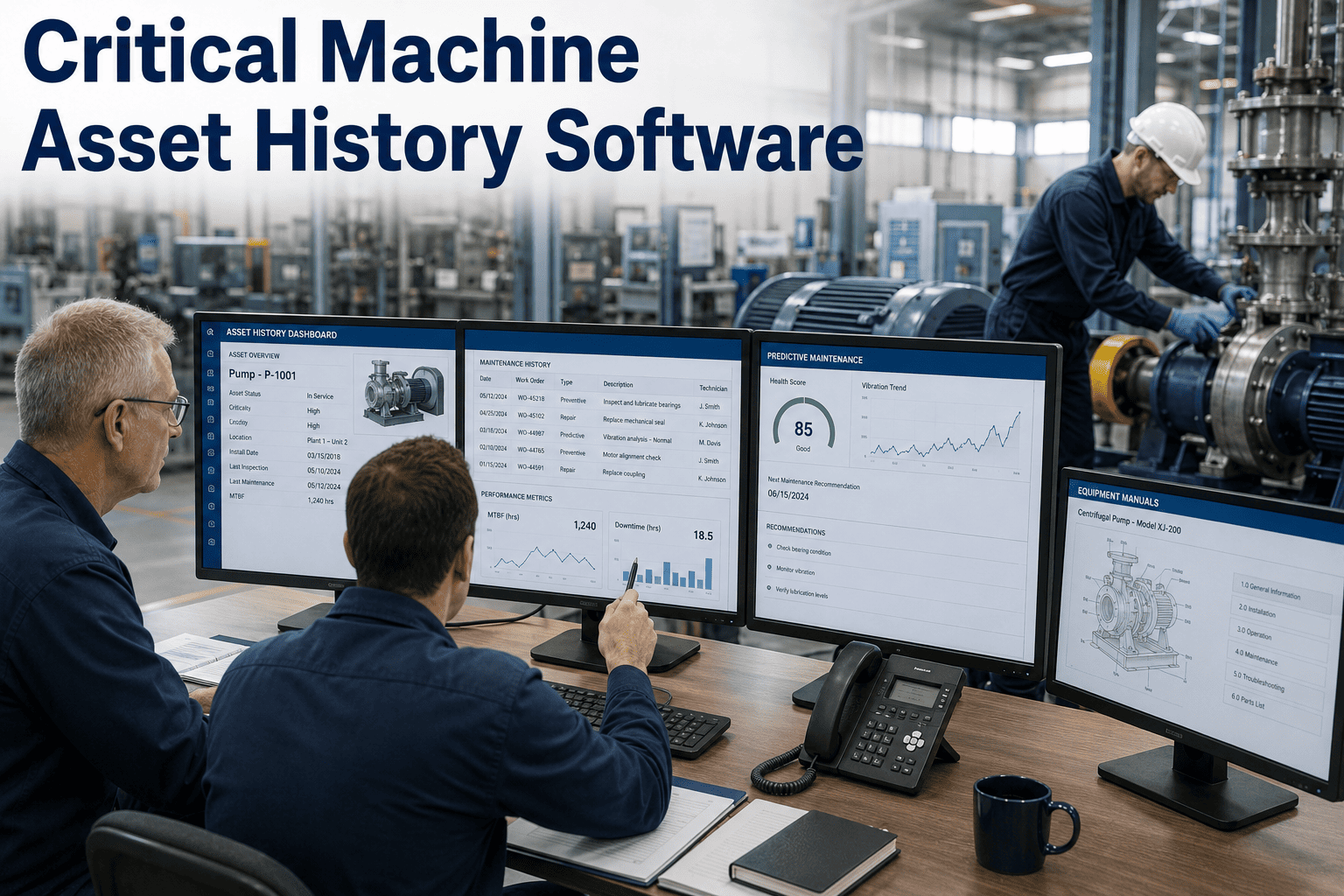
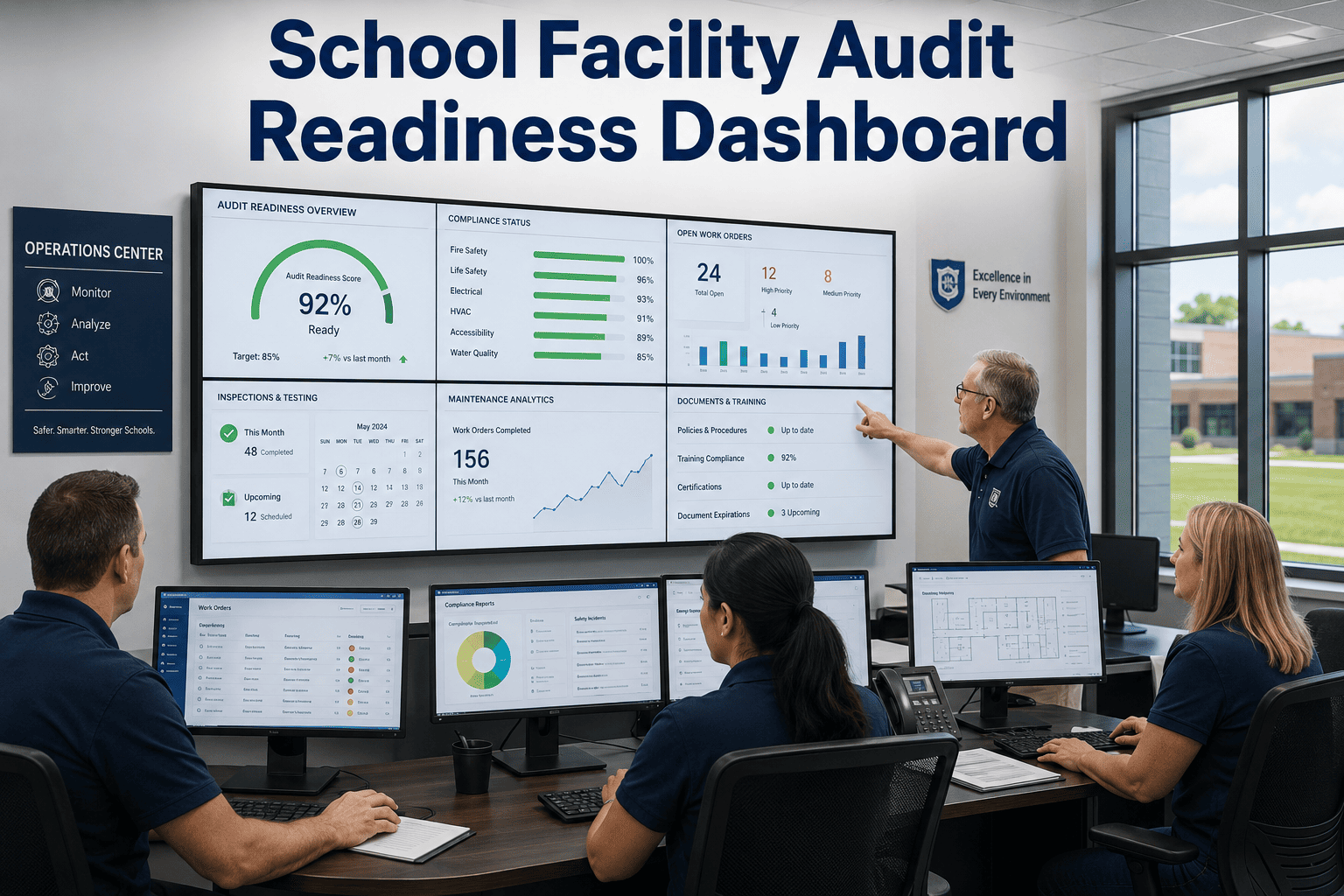
Steel plant maintenance budgets are silently destroyed by two spare parts problems that seem opposite but have the same root cause: stockouts during emergencies that force $50,000 expedited freight orders and $300-per-hour premium contractor rates, and overstocked inventory that ties up $2 million to $8 million in working capital across hundreds of slow-moving line items. Both problems come from the same place — spare parts inventory that isn't connected to equipment condition data, maintenance history, or predictive failure timelines. When parts management is integrated with CMMS, the right parts are in stock for planned maintenance and capital isn't consumed by parts that haven't moved in three years. Start a free trial to see how Oxmaint delivers this, or book a demo to walk through your specific requirements.
Eliminate Spare Parts Stockouts and Overstock
See how Oxmaint gives steel plants real-time spare parts visibility with automatic reorder alerts and asset-linked inventory.
Steel plants using inventory management integrated with CMMS report 30–40% reduction in emergency procurement spend and 25% lower carrying costs.
- Asset-linked parts library — right parts pulled automatically at work order creation
- Predictive reorder automation from condition monitoring alerts
- Multi-site inventory visibility with inter-site transfer workflows
Used by operations teams managing 10,000+ assets — live in days, not months
What Is Steel Plant Spare Parts Control Software?
CMMS-Integrated MRO Inventory Management for Steel Operations
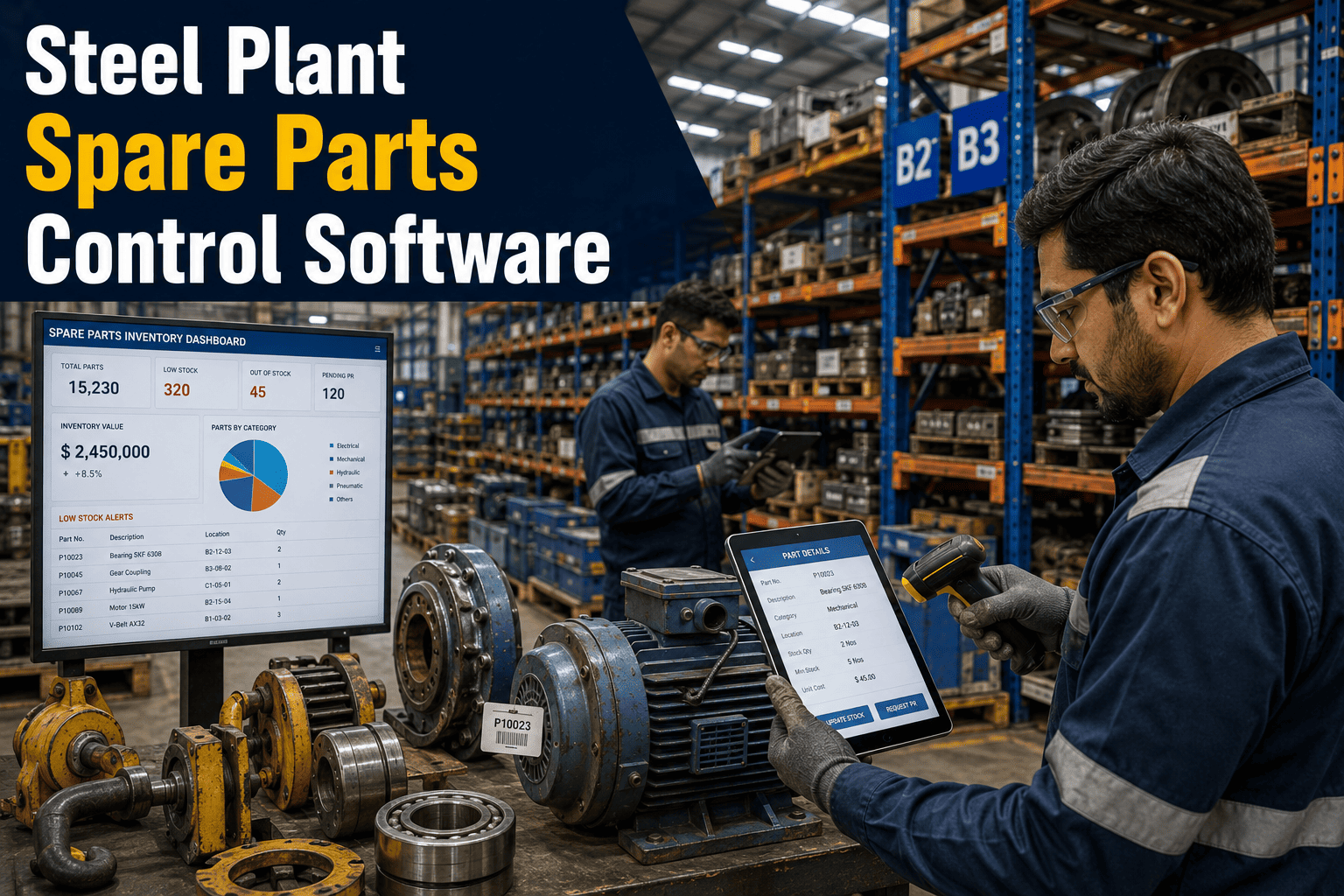
Steel plant spare parts control software is an integrated MRO inventory management system that connects equipment asset records, maintenance history, predictive condition alerts, and spare parts inventory into a single workflow. When a bearing condition alert indicates replacement within 6 weeks, the system checks whether the required part is in stock — and if not, auto-generates a purchase request before the repair becomes urgent.
The financial opportunity is significant. A typical integrated steel mill carries $2M to $8M in MRO inventory — and studies indicate that 20 to 30% of that inventory is obsolete, superseded, or unlikely to be used within the next 5 years. Simultaneously, emergency procurement for unexpected failures adds 40 to 60% cost premium on parts that could have been on the shelf at standard cost. CMMS-integrated parts management addresses both problems simultaneously — reducing emergency procurement through predictive pre-positioning and identifying the slow-moving inventory that ties up capital unnecessarily. start a free trial to see how Oxmaint structures this for your operations.
Core Capabilities
6 Capabilities That Define Effective Steel Plant Spare Parts Control Software
01
Asset-Linked Parts Library
Every spare part in inventory maps to the assets it serves. When a work order is created for a specific piece of equipment, applicable spare parts are pulled automatically — no manual part number searching required.
02
Predictive Reorder Automation
When condition monitoring indicates maintenance within 4–8 weeks, Oxmaint checks spare parts stock and auto-generates purchase requests if insufficient. Parts are pre-positioned before the repair becomes urgent.
03
Reorder Point Management
Configure minimum stock levels, reorder quantities, and lead time buffers by part class and criticality. Safety stock rules apply different standards to critical single-source items vs readily available commodity parts.
04
Supplier and Lead Time Database
Maintain approved supplier lists, standard lead times, and emergency supplier contacts per part. System selects appropriate supplier based on order urgency — standard for planned, emergency-approved for breakdown response.
05
Inventory Consumption Analytics
Track parts usage by asset, failure mode, and maintenance type. Identify the 20–30% of inventory items with zero movement in 24+ months — candidates for obsolescence review and capital recovery.
06
Multi-Site Inventory Visibility
Multi-plant operations see parts inventory across all sites in real time. Critical parts in short supply at one site can be transferred from another before emergency procurement becomes necessary.
Industry Pain Points
Why Steel Plant Spare Parts Management Fails
Most operations teams know their programs have gaps — the challenge is closing them before they generate the next costly incident. start a free trial to map the gaps in your current program.
No Connection Between Parts and Equipment
Spare parts are catalogued in ERP as inventory items — not connected to the equipment they belong to. When a failure occurs, technicians search manually for applicable parts rather than pulling from an asset-linked parts list.
Emergency Procurement at Premium Cost
Unplanned failures require parts immediately. Expedited freight, premium supplier rates, and broker sourcing add 40–60% to parts cost — and that premium repeats every time the same failure mode occurs reactively.
Obsolete Inventory Consuming Capital
Parts for retired or replaced equipment remain in stock for years. Without systematic obsolescence review linked to asset lifecycle data, dead inventory accumulates and prevents capital reallocation to high-priority items.
Reorder Point Miscalibration
Reorder points set from historical consumption averages don't account for condition-based maintenance demand. Parts that should be pre-positioned ahead of a known maintenance campaign aren't in stock when needed.
Operations teams that digitize steel plant spare parts control software eliminate 40–65% of the avoidable costs that reactive and manual approaches generate.
How Oxmaint Solves It
How Oxmaint Delivers Steel Plant Spare Parts Control Software
Asset-Linked Parts Library
Every spare part in inventory maps to the assets it serves. When a work order is created for a specific piece of equipment, applicable spare parts are pulled automatically — no manual part number searching required.
Predictive Reorder Automation
When condition monitoring indicates maintenance within 4–8 weeks, Oxmaint checks spare parts stock and auto-generates purchase requests if insufficient. Parts are pre-positioned before the repair becomes urgent.
Reorder Point Management
Configure minimum stock levels, reorder quantities, and lead time buffers by part class and criticality. Safety stock rules apply different standards to critical single-source items vs readily available commodity parts.
Supplier and Lead Time Database
Maintain approved supplier lists, standard lead times, and emergency supplier contacts per part. System selects appropriate supplier based on order urgency — standard for planned, emergency-approved for breakdown response.
Inventory Consumption Analytics
Track parts usage by asset, failure mode, and maintenance type. Identify the 20–30% of inventory items with zero movement in 24+ months — candidates for obsolescence review and capital recovery.
Multi-Site Inventory Visibility
Multi-plant operations see parts inventory across all sites in real time. Critical parts in short supply at one site can be transferred from another before emergency procurement becomes necessary.
Disconnected Inventory vs CMMS-Integrated (Oxmaint)
Disconnected Inventory vs CMMS-Integrated (Oxmaint)
| Dimension | Disconnected Inventory | CMMS-Integrated (Oxmaint) |
|---|
| Parts-to-equipment linkage | Manual search — technicians find applicable parts from memory or manual catalogues | Asset-linked — applicable parts pulled automatically when work order created |
| Emergency procurement rate | 40–60% of MRO spend at premium rates — reactive stockouts | 10–15% of MRO spend at premium — pre-positioned from condition alerts |
| Inventory carrying cost | $2M–$8M typical mill — 20–30% obsolete or inactive | 15–25% reduction — obsolescence review driven by asset lifecycle data |
| Reorder accuracy | Calendar or consumption-average reorder points — misaligned with maintenance demand | Condition-based demand signals — parts in stock when maintenance is planned |
| Parts search time | 15–30 minutes per work order — cross-referencing catalogues and ERP | Under 2 minutes — asset-linked parts list populated automatically |
| Stock availability at breakdown | 60–70% — frequent stockouts on critical parts | 90%+ — predictive pre-positioning and safety stock optimization |
ROI and Results
What Operations Teams Report After Deployment
Organizations using Oxmaint consistently report measurable improvements within the first 12 months. Start a free trial to see how your metrics could shift.
40%
Lower Emergency Procurement Spend
Pre-positioned parts from condition alerts vs reactive stockout emergency sourcing
25%
Reduction in Carrying Costs
Obsolescence review and demand-aligned reorder points vs static inventory management
90%+
Parts Availability at Planned Maintenance
CMMS-integrated inventory vs disconnected ERP spare parts catalogues
$1.8M
Average Inventory Optimization Savings
Typical integrated steel mill — recovered capital from obsolescence review and reduced emergency premium
FAQ
Steel Plant Spare Parts Control Software: Common Questions
Can Oxmaint integrate with our existing SAP or Oracle ERP system?
Yes. Oxmaint integrates with SAP PM, SAP MM, Oracle EAM, and other major ERP platforms via API and standard data exchange formats. Parts master data, purchase orders, and goods receipts sync between systems — maintenance teams see inventory status in Oxmaint while procurement and finance teams maintain their ERP workflows. Start a free trial to see integration options for your ERP stack.
How does Oxmaint handle critical single-source spare parts with long lead times?
Single-source parts with extended lead times — custom castings, proprietary components, long-delivery items — are flagged in Oxmaint with extended safety stock rules and earliest-trigger reorder points. Condition monitoring alerts for equipment carrying these parts generate procurement recommendations significantly earlier than standard parts. Book a demo to see how critical parts management is configured.
Can the system manage parts across multiple steel plant sites in the same inventory?
Yes. Multi-site inventory visibility allows maintenance planners to see parts availability across all plant locations simultaneously. Inter-site transfer workflows allow critical parts in short supply at one site to be transferred from another — reducing emergency procurement by utilizing existing group inventory more efficiently.
How does parts inventory connect to predictive maintenance alerts?
When a vibration monitoring alert, temperature threshold, or inspection finding indicates maintenance within a defined time window, Oxmaint checks the parts required for that maintenance task against current inventory. If stock is below the required quantity, an automatic purchase request routes to procurement with the required date and standard lead time — ensuring parts arrive before the planned maintenance window.
Eliminate Spare Parts Stockouts and Overstock
Stop Paying Emergency Premiums for Parts That Should Be on Your Shelf
Connect spare parts inventory to equipment condition data and eliminate reactive procurement with Oxmaint.
- Asset-linked parts library — right parts pulled automatically at work order creation
- Predictive reorder automation from condition monitoring alerts
- Multi-site inventory visibility with inter-site transfer workflows
Used by operations teams managing 10,000+ assets — limited onboarding slots available this quarter