A cement plant is not a single facility — it is a chain. Limestone comes out of the quarry, moves through primary and secondary crushing, enters the raw mill, passes through the preheater and rotary kiln, exits as clinker, gets ground in the finish mill, and eventually loads onto a truck at dispatch. Every stage has critical equipment, and a breakdown at any one of them can halt the entire chain. Yet most cement operations manage maintenance across quarry, crushing, kiln, and dispatch as disconnected departments — separate spreadsheets, separate technician teams, and no unified view of where equipment health is most fragile across the full production flow. The result is predictable: a kiln refractory failure nobody saw coming, a crusher bearing seized with parts on a six-week lead time, a dispatch conveyor down during peak season. Start a free trial and build your quarry-to-dispatch asset registry in Oxmaint or book a demo and map your full cement production chain into the platform.
Cement Industry · Integrated Maintenance Operations 2026
Quarry to Dispatch Maintenance Software for Cement Operations
Manage maintenance workflows across quarry, crushing, raw mill, kiln, finish mill, and dispatch from a single integrated platform — with full asset visibility across the entire cement production chain.
Works across multi-site cement portfolios · No heavy implementation required · Live in days, not months
average cost of an unplanned rotary kiln shutdown in a mid-size cement plant — production loss, emergency repair, and restart costs combined
4.8×
higher repair cost for reactive failures versus planned maintenance across cement production equipment
68%
of cement plant maintenance managers report no unified visibility across quarry, kiln, and dispatch equipment in a single system
25%
average reduction in unplanned downtime in cement operations that implement integrated CMMS across the full production chain
What Is Quarry-to-Dispatch Maintenance Management?
Quarry-to-dispatch maintenance management is the operational model that treats the entire cement production chain — from limestone extraction through final dispatch — as a single, integrated asset ecosystem under one maintenance management platform. Rather than managing quarry equipment, crushing circuits, kilns, and dispatch systems as separate maintenance domains, this approach creates a unified asset hierarchy, PM schedule, work order system, and condition visibility layer across all production stages.
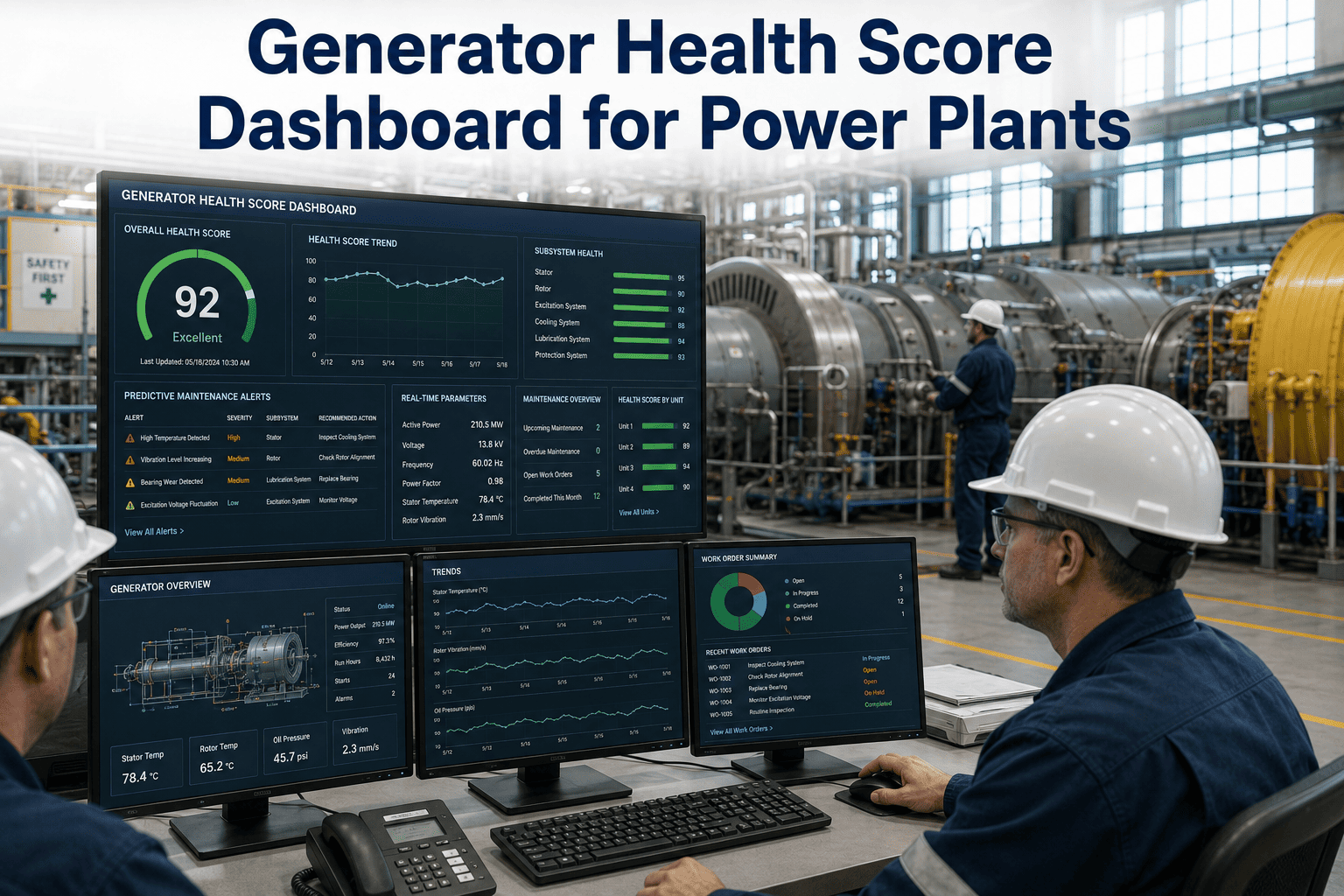
In practical terms, this means a maintenance superintendent can see the current health status of the primary crusher, the kiln shell temperature trend, the finish mill's vibration signature, and the dispatch conveyor's PM compliance rate — all from one dashboard. When an alert fires on a kiln drive gearbox, the work order is created, the spare part availability is checked, and the technician is assigned — without switching between systems, calling different department heads, or reconciling separate maintenance logs.
A single unplanned kiln shutdown costs more than most cement plants spend on planned maintenance in an entire quarter — and integrated CMMS makes that failure predictable weeks in advance.
The Cement Production Maintenance Chain
01
Quarry Equipment Maintenance
Drilling rigs, blasting equipment, excavators, haul trucks, and conveyor systems are tracked with run-hour-based PM schedules, condition scoring, and inspection records — preventing breakdowns that back up the entire downstream process.
02
Primary and Secondary Crushing
Jaw crushers, gyratory crushers, and cone crushers receive vibration-based condition monitoring, liner wear tracking, and lubrication PM scheduling — with automated alerts when wear patterns indicate bearing or liner failure is approaching.
03
Raw Mill Operations
Raw mill maintenance covers roller and table wear, separator performance, gearbox condition, and dust collector compliance. PM intervals are set against actual running hours and material throughput — not fixed calendar dates.
04
Preheater and Rotary Kiln
Kiln shell temperature monitoring, refractory wear tracking, tire and roller inspection programs, and main drive gearbox condition are managed as a single kiln maintenance workflow — the highest-criticality asset in the plant.
05
Clinker Cooler and Finish Mill
Cooler grate wear, hammer mill inspection, finish mill vibration monitoring, and separator maintenance are tracked with linked work orders — ensuring clinker quality and grinding efficiency are protected through systematic equipment care.
06
Packing and Dispatch Systems
Packing machines, silo systems, bulk loading equipment, and dispatch conveyors complete the chain. Dispatch equipment failures during peak demand periods are financially catastrophic — and entirely preventable with condition-based PM scheduling.
Where Cement Plant Maintenance Fails Without Integration
Siloed Departmental Maintenance
Quarry, process, and dispatch maintenance teams operate independently with no shared visibility. A kiln shutdown that backs up crushing operations is discovered through phone calls — not system alerts — because the departments don't share a maintenance platform.
Kiln Downtime Without Warning
Rotary kilns fail with minimal warning when condition monitoring is absent. Refractory hot spots, tire and roller wear, and gearbox degradation are all detectable weeks before failure — but only if the data is being captured, trended, and actioned through a maintenance system.
Spare Parts Unavailability at Failure
Critical cement plant components — kiln drive gears, crusher liners, mill rollers — have 6–14 week lead times. When maintenance is reactive, parts are ordered after failure. When predictive, parts are ordered when the trend starts — and are in stock when the work order is raised.
Compliance Records Across Disconnected Systems
Environmental compliance for kiln emissions, safety compliance for quarry operations, and quality compliance for GMP-regulated cement production all require documented maintenance records. Disconnected systems make audit preparation a weeks-long manual exercise.
How Oxmaint Manages the Full Cement Production Chain
Full-Chain Asset Hierarchy
Every piece of equipment from quarry face to dispatch bay is registered in Oxmaint's asset hierarchy — Portfolio, Plant, System, Asset, Component. Quarry equipment, crushing circuits, kilns, mills, and dispatch systems are all connected under one maintenance view with individual condition scores and PM schedules.
Condition-Based PM Scheduling
PM intervals are set by run hours, cycles, or condition thresholds — not calendar dates — matching the variable-intensity operating patterns of cement production equipment. Kiln tire inspections trigger after every 500 hours. Crusher liner checks trigger when throughput metrics indicate accelerated wear.
IoT and SCADA Integration
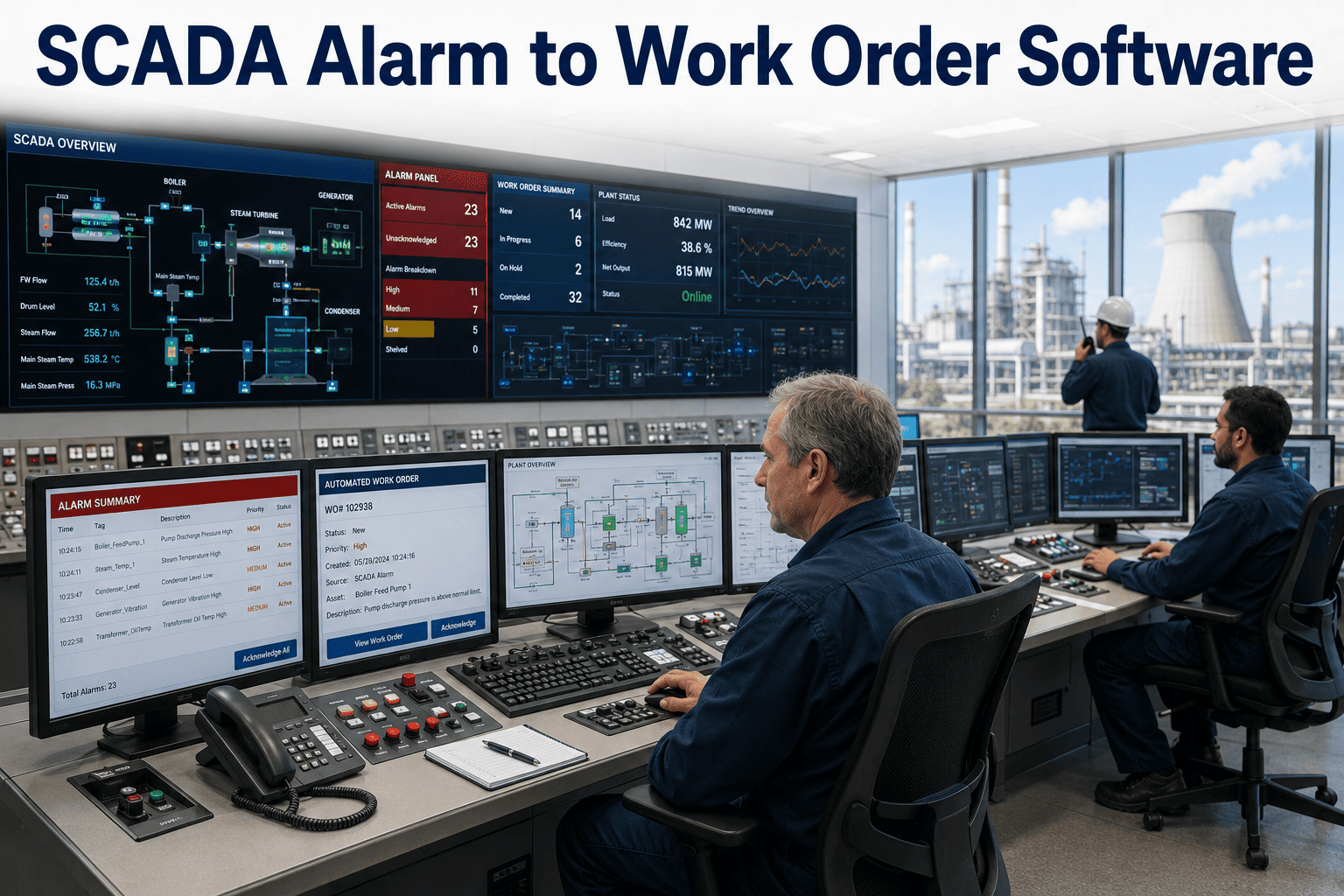
Oxmaint connects to existing SCADA systems and IoT sensor networks across the production chain — pulling kiln shell temperature trends, vibration readings, motor load data, and conveyor belt tension directly into the health scoring and alert engine without replacing current monitoring hardware.
Predictive Failure Alerts
When sensor trends or inspection data indicate developing failure conditions — rising vibration on a mill gearbox, hot spot on the kiln shell, accelerating bearing temperature on a crusher — Oxmaint generates a predictive alert and creates a priority work order with the lead time needed for planned intervention.
Spare Parts and MRO Integration
Critical spare parts are linked to the assets they serve. When a predictive alert fires, Oxmaint checks on-hand stock, raises a procurement request if inventory is below reorder point, and links the parts order to the pending work order — so parts and technician arrive together.
Compliance and Audit Records
Every inspection, work order, and maintenance action across the production chain is timestamped and stored in audit-ready format — meeting environmental compliance, safety regulatory, and GMP documentation requirements without separate record-keeping systems or manual report generation.
Reactive Cement Maintenance vs. Integrated Chain Management
Reactive: Siloed Departmental Maintenance
Planned: Integrated Quarry-to-Dispatch CMMS
Quarry, kiln, and dispatch managed in separate systems with no shared visibility
Full production chain in one platform — all assets, all work orders, one dashboard
Kiln shutdowns discovered when production stops, not when degradation begins
Predictive alerts fire 2–6 weeks before kiln failure reaches operational impact
PM intervals calendar-based regardless of actual equipment operating hours
PM triggered by run hours, cycles, and condition thresholds matching actual usage
Critical parts ordered after failure — 6–14 week lead times cause extended shutdowns
Parts orders linked to predictive alerts — stock on hand before the work order opens
Compliance records gathered manually from multiple departments before audits
Audit-ready records auto-generated with every inspection and maintenance action
CapEx requests for kiln overhauls built on age estimates — frequently challenged
5–10 year CapEx forecasts backed by kiln condition trends and maintenance cost history
Cement plants that unify maintenance across the full production chain reduce unplanned downtime by 25% on average — and typically recover implementation costs within the first prevented kiln shutdown.
ROI of Integrated Cement Plant Maintenance
25%
average reduction in unplanned production downtime in cement plants using integrated CMMS across the full chain
$850K
average cost of one unplanned kiln shutdown — prevented by predictive alerts that a unified CMMS fires weeks in advance
18%
average reduction in total maintenance spend when PM scheduling shifts from calendar-based to condition-based across cement plant assets
4.8×
cost multiplier for reactive versus planned repairs across cement production equipment — eliminated by condition-based work order triggers
How does Oxmaint handle maintenance for the full cement production chain from quarry to dispatch?
Oxmaint's asset hierarchy — Portfolio, Plant, System, Asset, Component — accommodates the complete cement production chain in a single account. Quarry equipment, primary and secondary crushing circuits, raw mills, rotary kilns, clinker coolers, finish mills, packing machines, and dispatch systems are all registered as assets under their respective production system categories. Each asset carries its own condition score, PM schedule, work order history, and spare parts linkage. Plant managers and maintenance superintendents see the full production chain in one dashboard — and can drill from plant-level OEE down to the maintenance history of a specific kiln tire roller without switching systems.
Can Oxmaint manage kiln maintenance specifically — including refractory tracking and tire inspection programs?
Yes. Oxmaint supports specialized kiln maintenance workflows including refractory temperature zone tracking, kiln shell scan result recording, tire and roller inspection intervals set by run hours, main drive gearbox condition monitoring, and brick-lining life cycle management. Inspection templates are configurable to match your specific kiln type and OEM requirements. Every kiln inspection result is stored with timestamp, technician record, and photo documentation — creating an audit-ready maintenance history that tracks refractory life from installation to replacement across every kiln campaign.
How does Oxmaint integrate with SCADA and process control systems in a cement plant?
Oxmaint connects to existing SCADA platforms via standard API and industrial protocol integrations — pulling sensor data including kiln shell temperatures, motor load trends, vibration readings, and conveyor belt tensions directly into the health scoring and alert engine. This means plant teams keep their existing SCADA investment while gaining a maintenance management layer that converts raw process data into actionable work orders, predictive alerts, and health scores. Initial integration is typically completed within days, without custom development work from the plant IT or OT teams.
How quickly can a cement plant go live with integrated maintenance in Oxmaint?
Most cement plant maintenance teams complete initial setup — building the asset hierarchy, importing equipment records, configuring PM schedules, and setting up work order workflows — within 5–10 working days. For plants with existing equipment lists, bulk asset import accelerates the setup significantly. SCADA and IoT integration adds a parallel workstream that typically completes within 7–14 days. There is no lengthy implementation program, no dedicated implementation consultants required, and no custom development phase. The platform is designed for plant engineers and maintenance supervisors to configure directly.
Stop Running Your Cement Plant Reactively — Integrate Maintenance Across Every Stage
From quarry face to dispatch bay, every asset in your production chain tracked, scored, and maintained from one platform — with predictive alerts, condition-based PM, and investor-grade CapEx forecasting built in.
✔ Real-time asset visibility across the full production chain
✔ Predictive failure alerts weeks before operational impact
✔ 5–10 year CapEx forecasting from condition and cost data
See measurable results in the first 30 days · No heavy implementation required · Live in days, not months