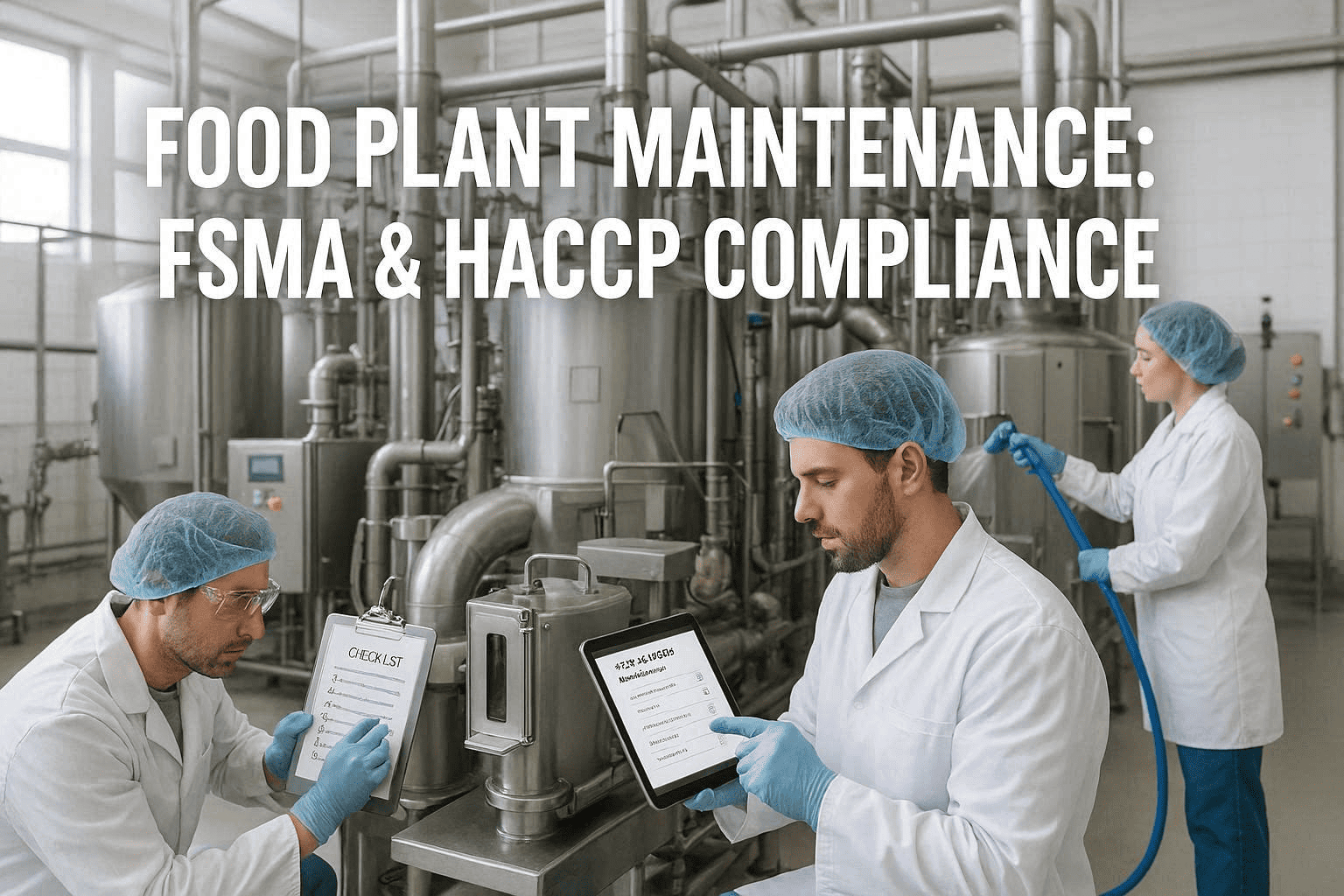
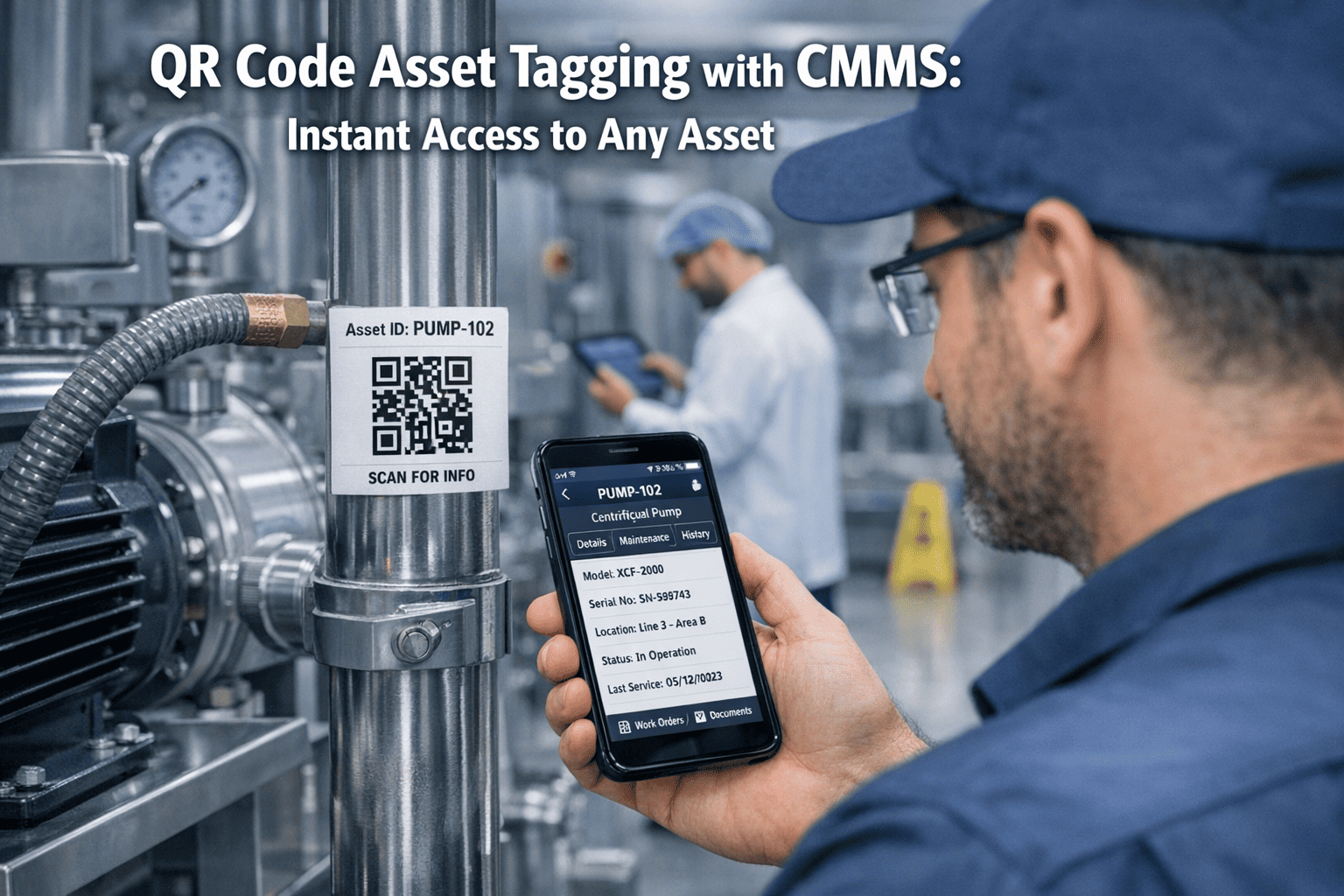
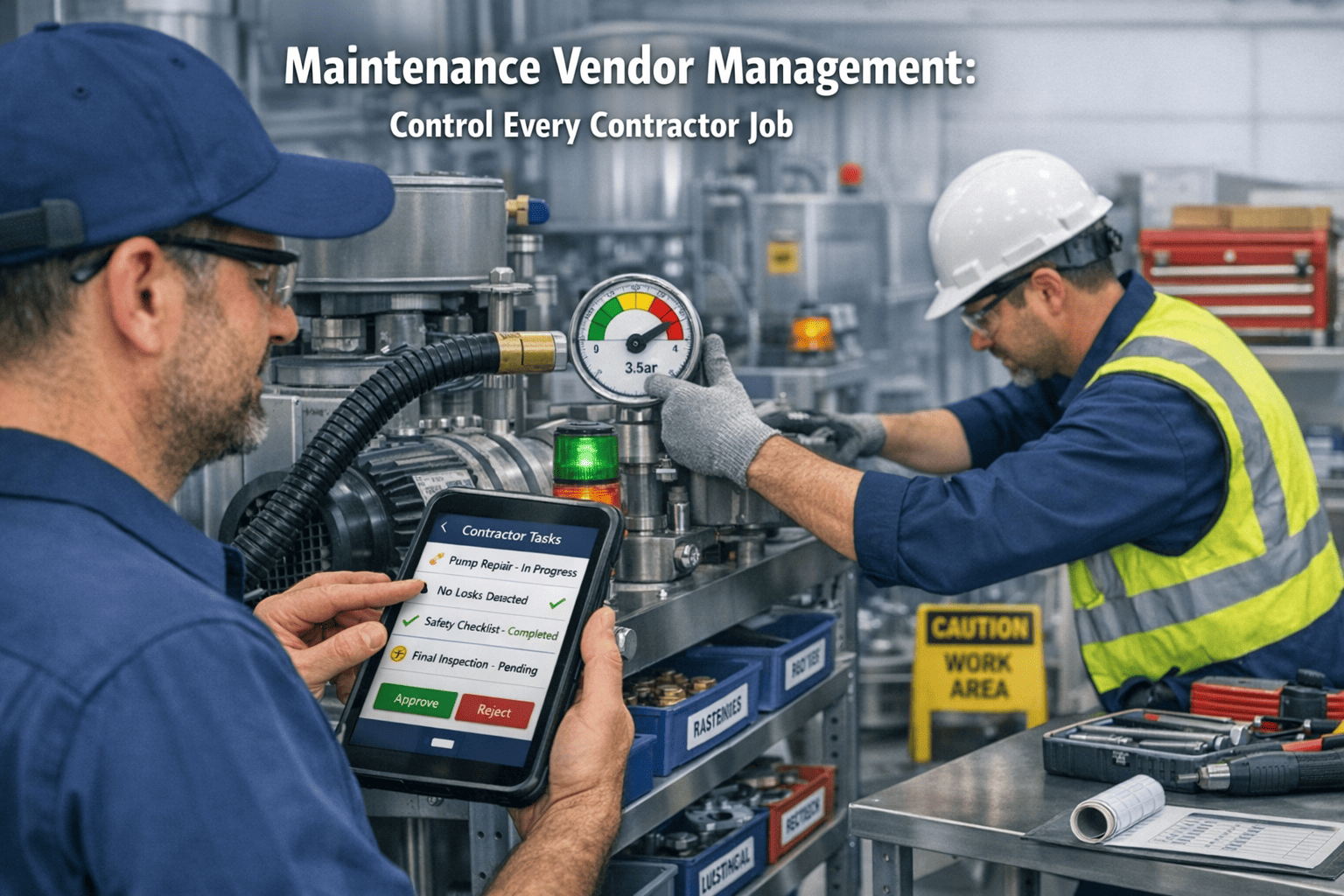
A single missed CIP cycle on a pasteurizer can contaminate an entire production run, trigger an FDA inspection, and cost your facility seven figures in recall costs — before the legal exposure even starts. Food plant maintenance is not a back-office function. It is the line between a safe product and a front-page crisis. Every conveyor seal, every temperature probe calibration, every sanitation sign-off is a documented control point that either protects your brand or exposes it. Plants running on paper logs and spreadsheet PM schedules are one unannounced FDA visit away from a 483 observation — and those observations compound fast. Want to see how Oxmaint automates FSMA compliance and HACCP documentation end-to-end? Start a free trial today or book a demo to walk through a live food plant workflow.
$77B
Annual US Foodborne Illness Cost
Equipment maintenance failures are a primary root cause
40%
GFSI Audit Non-Conformances
Trace back to maintenance documentation gaps — not operational failures
4.8x
Emergency Repair Premium
Reactive food plant repairs cost 4.8× more than planned interventions
2 yrs
FSMA Record Retention Mandate
FDA requires all PM and calibration records instantly retrievable on request
Why Maintenance IS Food Safety
Most food plants treat maintenance and quality assurance as separate departments. That separation is a compliance risk. A cracked sanitary weld on a mixer, a CIP pump losing 8 PSI of pressure, a technician using non-food-grade lubricant on a conveyor — none of these will be caught by QA until product has been compromised. FSMA, HACCP, SQF, BRC, and FSSC 22000 all recognize this: they embed maintenance requirements directly into food safety frameworks because the two are inseparable. The moment your maintenance team performs a task on food-contact equipment, they are executing a critical food safety function. Start a free trial to see how Oxmaint links maintenance workflows directly to your HACCP plan.
FSMA 21 CFR Part 117
Preventive Controls for Human Food
Written maintenance procedures for all food-contact equipment. PM completion records with technician sign-off and timestamp. Food-grade lubricant documentation. Calibration records for all CCP instruments. 2-year record retention, instantly retrievable on FDA demand.
HACCP
Critical Control Point Maintenance
Metal detectors, x-ray scanners, thermal processing units, chillers — all tied to CCPs. Delayed inspection on any of these is a CCP violation. CMMS enforces maintenance schedules directly mapped to your HACCP plan with zero calendar gaps.
SQF / BRC / FSSC 22000
Global Certification Standards
Each standard demands documented sanitary teardowns, allergen changeover protocols, and corrective action logs with root cause evidence. Multi-standard plants in UK, Germany, UAE, and Canada use OxMaint to satisfy all frameworks from one platform.
21 CFR Part 11
Electronic Records & Signatures
FDA accepts — and increasingly prefers — digital records with verified timestamps and authenticated signatures. Paper records raise backdating concerns. Immutable digital records with e-signatures close the gap permanently.
The 6 Highest-Risk Maintenance Gaps in Food Plants
Clean-in-place completion without documented pressure/temperature evidence. One unverified CIP cycle on a dairy line can contaminate a full day's production.
Calibration Gaps on CCP Instruments
Temperature probes, pH meters, metal detectors — all must be calibrated on schedule. Expired calibration on a CCP instrument is an immediate FSMA observation during any FDA visit.
Non-Food-Grade Lubricant Usage
Technicians using the wrong lubricant on food-contact conveyors. FSMA requires documented lubricant specifications per asset. Inventory segregation and digital work order controls eliminate this risk.
Incomplete Corrective Action Records
When a breakdown occurs on food-contact equipment, FSMA requires documented root cause, interim control, product disposition decision, and preventive action — all linked to the original monitoring record.
Allergen Changeover Documentation
Transitioning between allergen-containing and allergen-free runs without documented sanitation sign-offs. One undocumented changeover can trigger a Class I recall affecting millions of units.
Scattered Audit Records
Paper binders, shared drives, and disconnected spreadsheets that cannot produce a complete PM history within minutes during an unannounced FDA inspection. Audit readiness is a daily operational state — not a pre-visit sprint.
Reactive vs. Compliance-First: The Real Cost Difference
Maintenance Scenario
Reactive / Paper-Based
Oxmaint CMMS-Managed
FDA Inspection Readiness
2–4 weeks to assemble records; gaps common
Complete audit package exported in under 5 min
CCP Instrument Calibration
Manual calendar reminders; easy to miss
Auto-scheduled, linked to asset; overdue triggers alert
Sanitation Sign-Off
Paper sheets filed in binders, hard to locate
Digital sign-off, timestamped, immutable, searchable
Corrective Action Tracking
Email chains; no root cause linking
Auto-triggered workflow with root cause + disposition
Equipment Breakdown Cost
Emergency rate: 4.8× planned maintenance cost
Planned interventions; PM compliance above 95%
Multi-Standard Compliance
Separate paper trails for FSMA, SQF, BRC
One platform satisfies all frameworks simultaneously
Every food-contact asset mapped to its relevant CCPs and preventive controls. Pasteurizers, chillers, metal detectors — each with its own PM schedule, calibration history, and compliance record automatically linked to your HACCP plan.
Automated Sanitation Scheduling
CIP cycles, sanitary teardowns, and allergen changeover protocols scheduled and tracked automatically. QA receives instant digital sign-off notification when sanitation is complete — equipment cannot be released to production until sign-off is verified.
Calibration Management
Calibration schedules for every CCP instrument. Certificate storage linked to asset records. Overdue calibrations escalate automatically and block work order completion — preventing production runs on uncalibrated equipment.
Digital Corrective Action Workflows
When a deviation from critical limits is detected, OxMaint triggers a corrective action workflow capturing affected product ID, interim controls, root cause analysis, and preventive action — the complete FSMA-required sequence in one linked record.
Food-Grade Inventory Controls
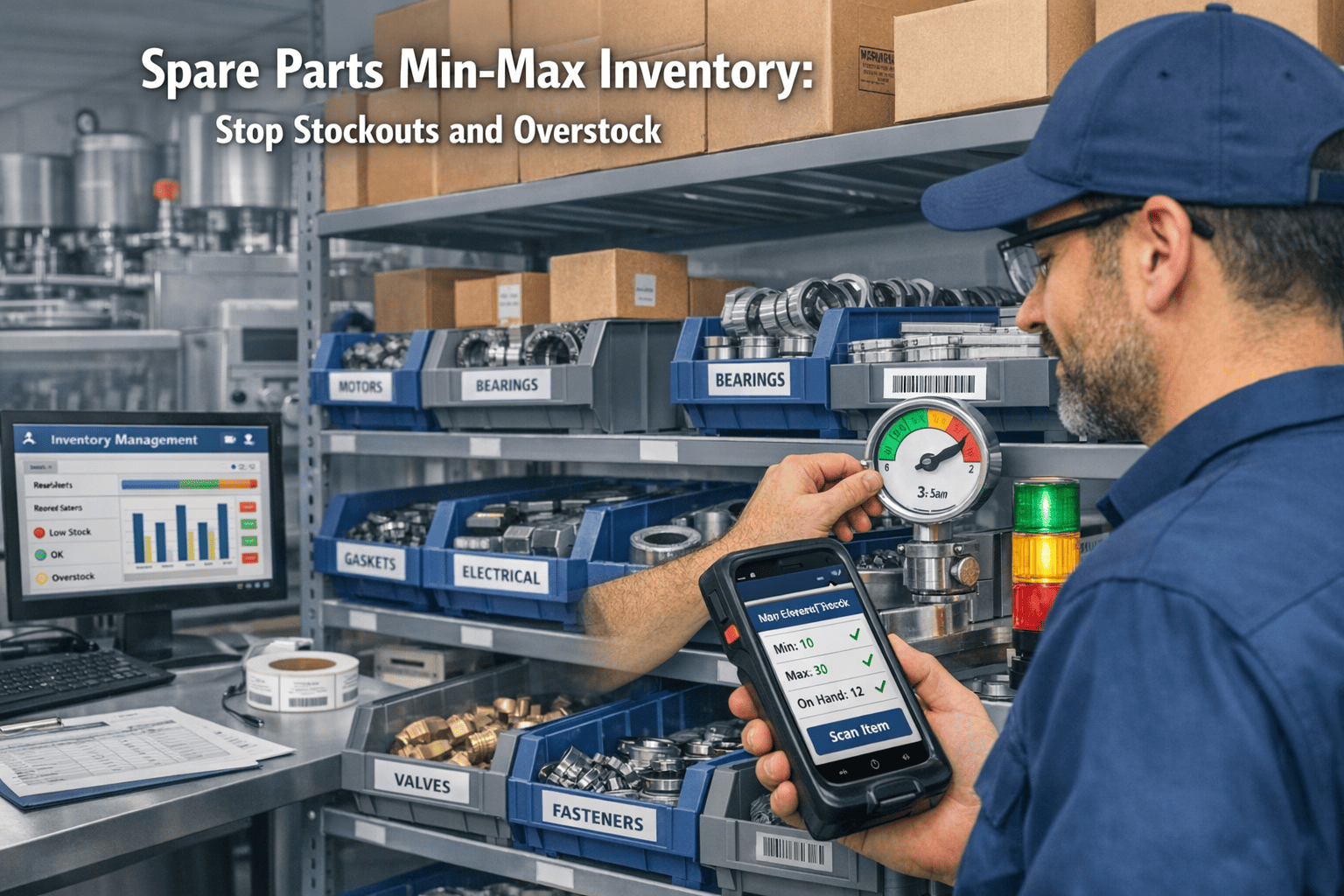
Segregated parts and lubricant inventory. Food-grade lubricant specifications documented per asset. Work orders reference only approved materials — eliminating the risk of a technician using the wrong lubricant on food-contact equipment.
On-Demand Audit Documentation
When FDA, SQF, or BRC auditors arrive, pull up the compliance dashboard and export complete PM histories, CIP verification records, calibration certificates, and corrective action logs in minutes — not weeks of manual assembly.
Zero
FSMA Documentation Non-Conformances
For facilities with CMMS-managed preventive control records
5 min
Audit Package Export Time
vs. 2–4 weeks of manual record assembly in paper-based plants
30%
Maintenance Cost Reduction
Documented outcome from planned vs. reactive maintenance programs
$10M
Recall Cost Avoided
When FSMA PM programs stop equipment-related hazard control failures
Your Next FDA Inspection Could Be Unannounced
OxMaint gives your food plant audit-ready documentation, automated HACCP workflows, and FSMA-compliant PM records — every day, not just before an inspection. Go live in under 14 days.
What FSMA documentation does a food plant need to maintain under 21 CFR Part 117?
FSMA requires written maintenance procedures for all food-contact equipment, PM completion records with technician sign-off and timestamp, food-grade lubricant documentation specifying the approved lubricant for each application, calibration records for all CCP monitoring instruments, and corrective maintenance records for any breakdown that affected food safety. All records must be retained for a minimum of two years and be instantly retrievable during unannounced FDA inspections. OxMaint generates and stores all of these automatically as a byproduct of your normal maintenance workflow. Start a free trial to explore the FSMA documentation module.
How does HACCP integrate with a CMMS for food plant maintenance?
HACCP requires maintenance teams to keep every Critical Control Point running within defined parameters. In OxMaint, each CCP-linked asset — metal detectors, pasteurizers, chillers, x-ray scanners — has its own PM schedule, calibration record, and corrective action history tied directly to the HACCP plan. When a CCP asset misses a scheduled PM or calibration, the system flags it before a food safety gap occurs. This means your HACCP plan is a living, active document — not a binder that gets updated once a year. Book a demo to walk through a HACCP-integrated maintenance workflow.
Can one CMMS manage FSMA, SQF, BRC, and FSSC 22000 simultaneously?
Yes. OxMaint's multi-standard platform allows plants operating under multiple certifications — BRC in the UK, SQF in Canada, FSSC 22000 in Germany or the UAE — to configure compliance workflows for each framework within the same CMMS. Each framework has its own documentation requirements, audit methodology, and corrective action format, but the underlying asset data and maintenance history is shared. When an auditor for any standard requests evidence, OxMaint generates the documentation package in the format that standard expects, from the same source of truth.
What happens to FSMA compliance for food plants exporting to the US from the UK, Germany, or UAE?
Foreign food manufacturers exporting to the US are subject to the same FSMA preventive controls requirements as domestic US facilities under FDA's Foreign Supplier Verification Program (FSVP). FDA investigators or US importers can request FSMA-compliant maintenance evidence during supplier verification. OxMaint generates the preventive controls maintenance evidence package in the format FDA expects, regardless of where your facility is located — ensuring UK, German, UAE, and Canadian plants can satisfy both their domestic regulatory requirements and FSMA simultaneously. Start free and configure your multi-standard compliance dashboard today.