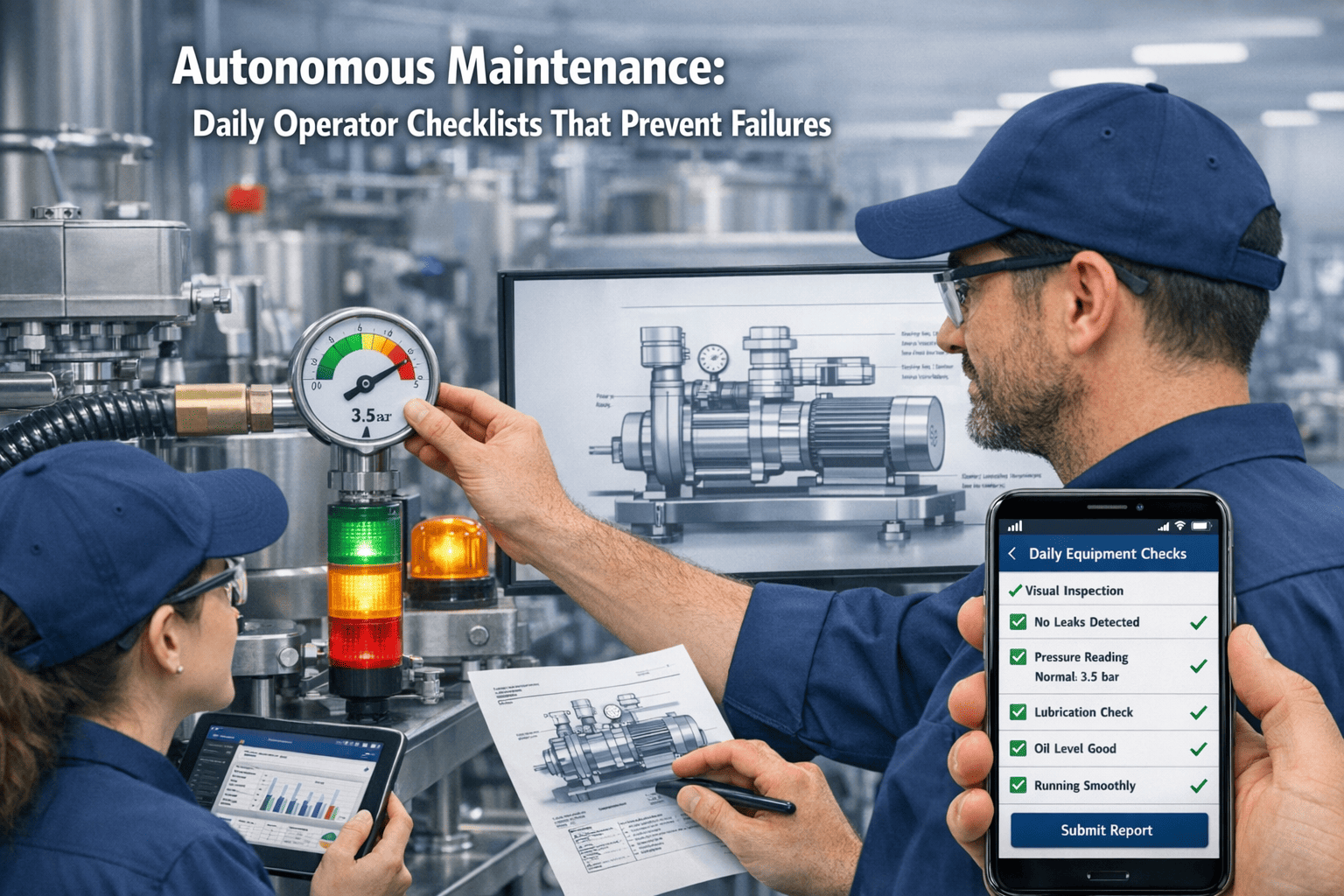
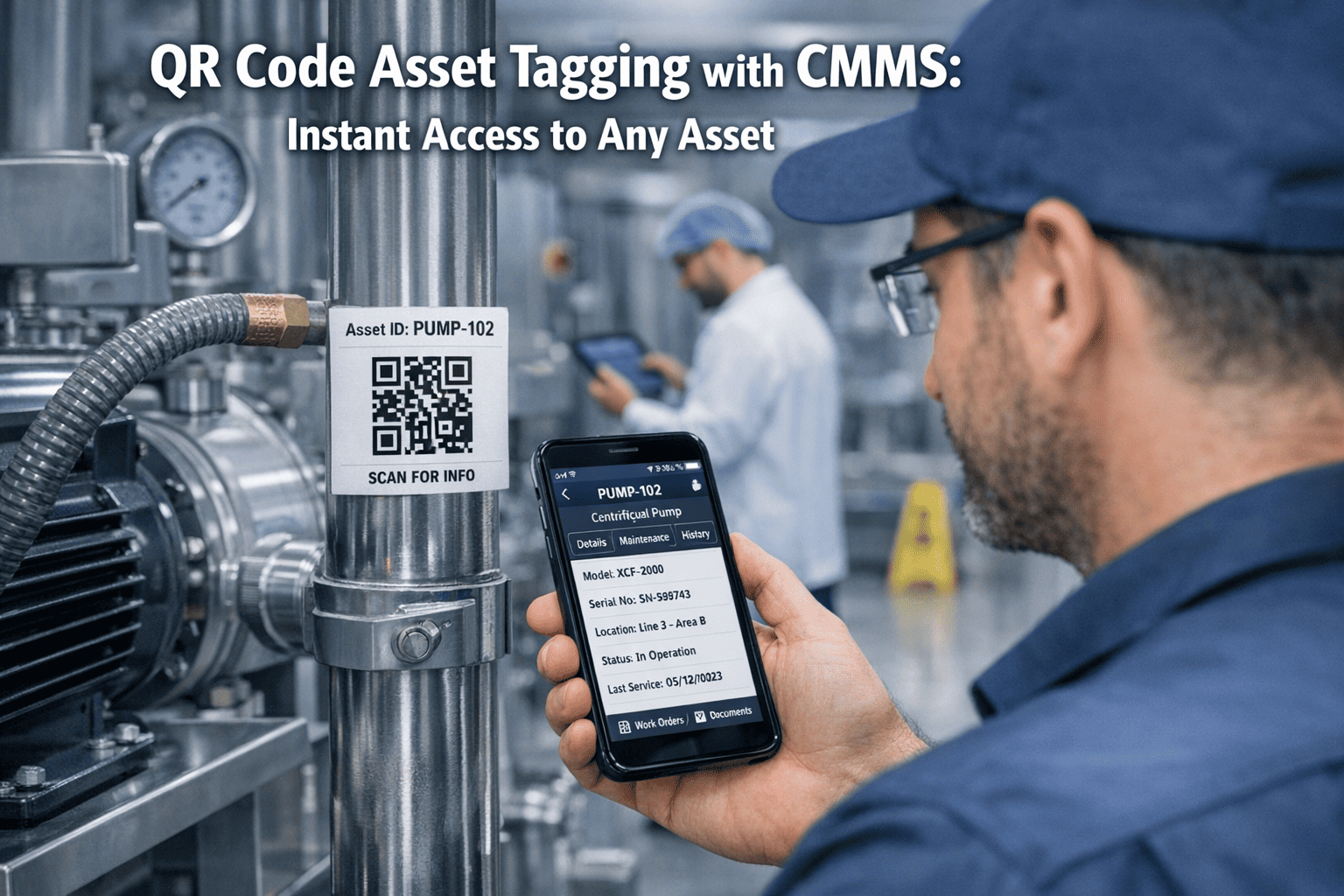
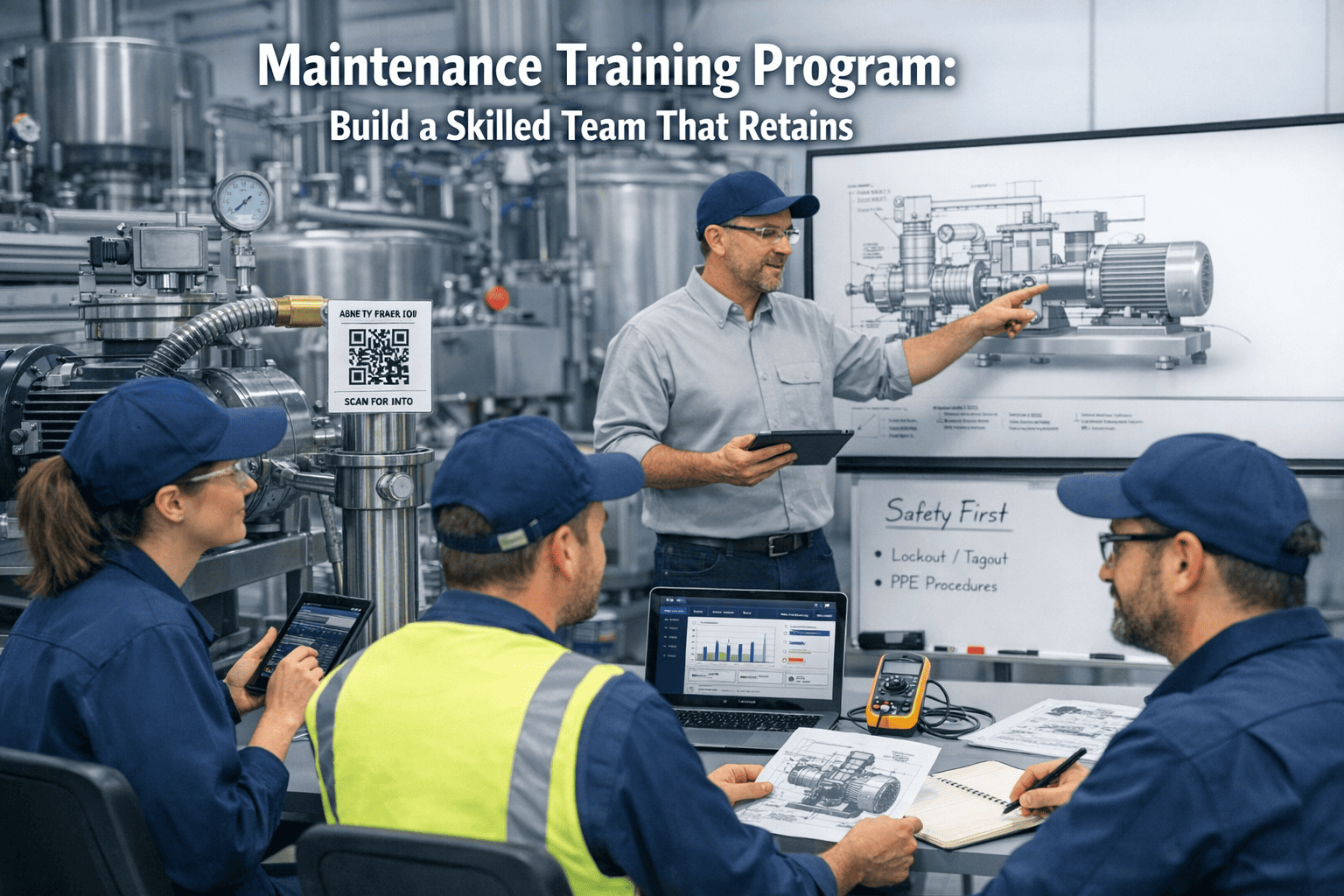
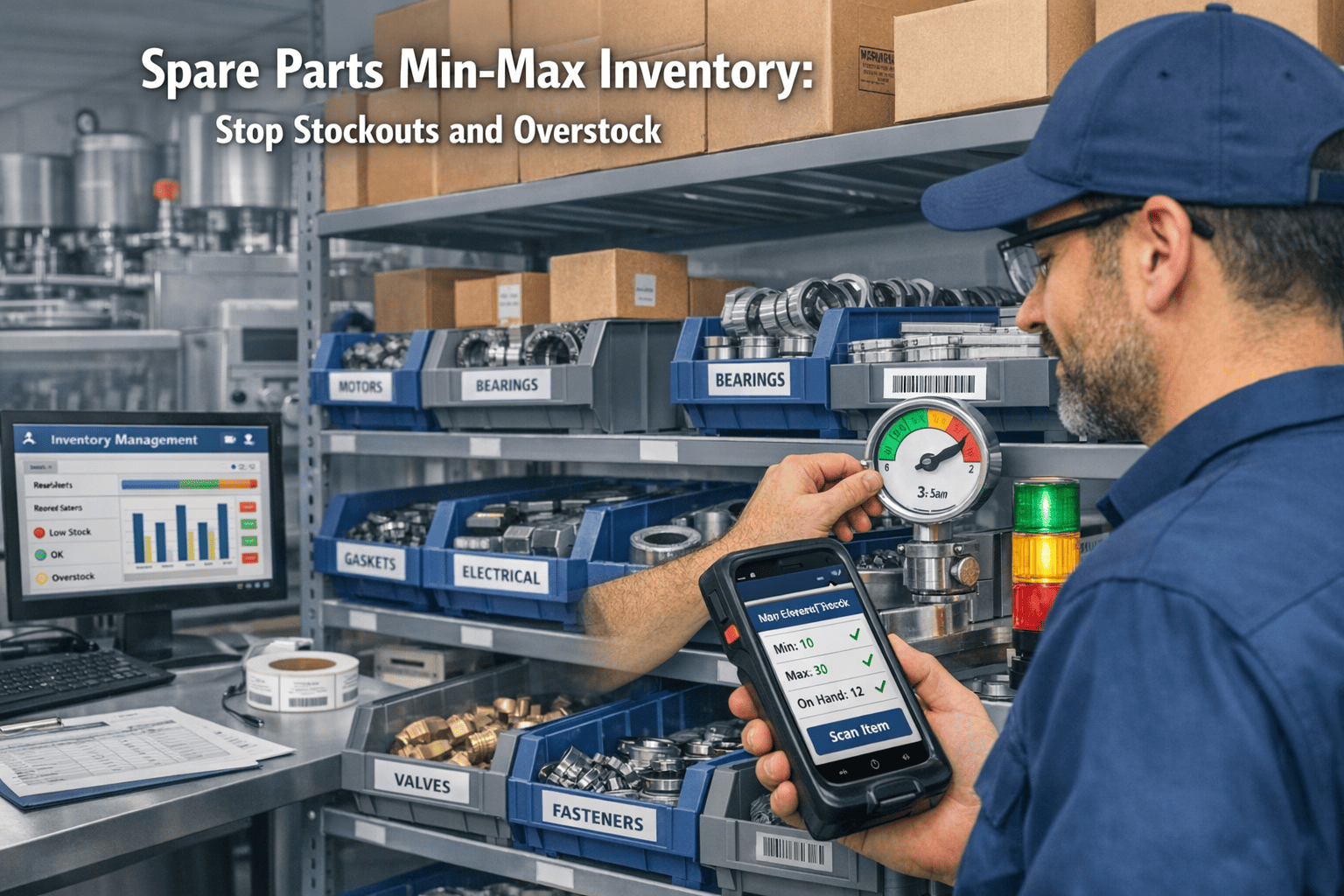
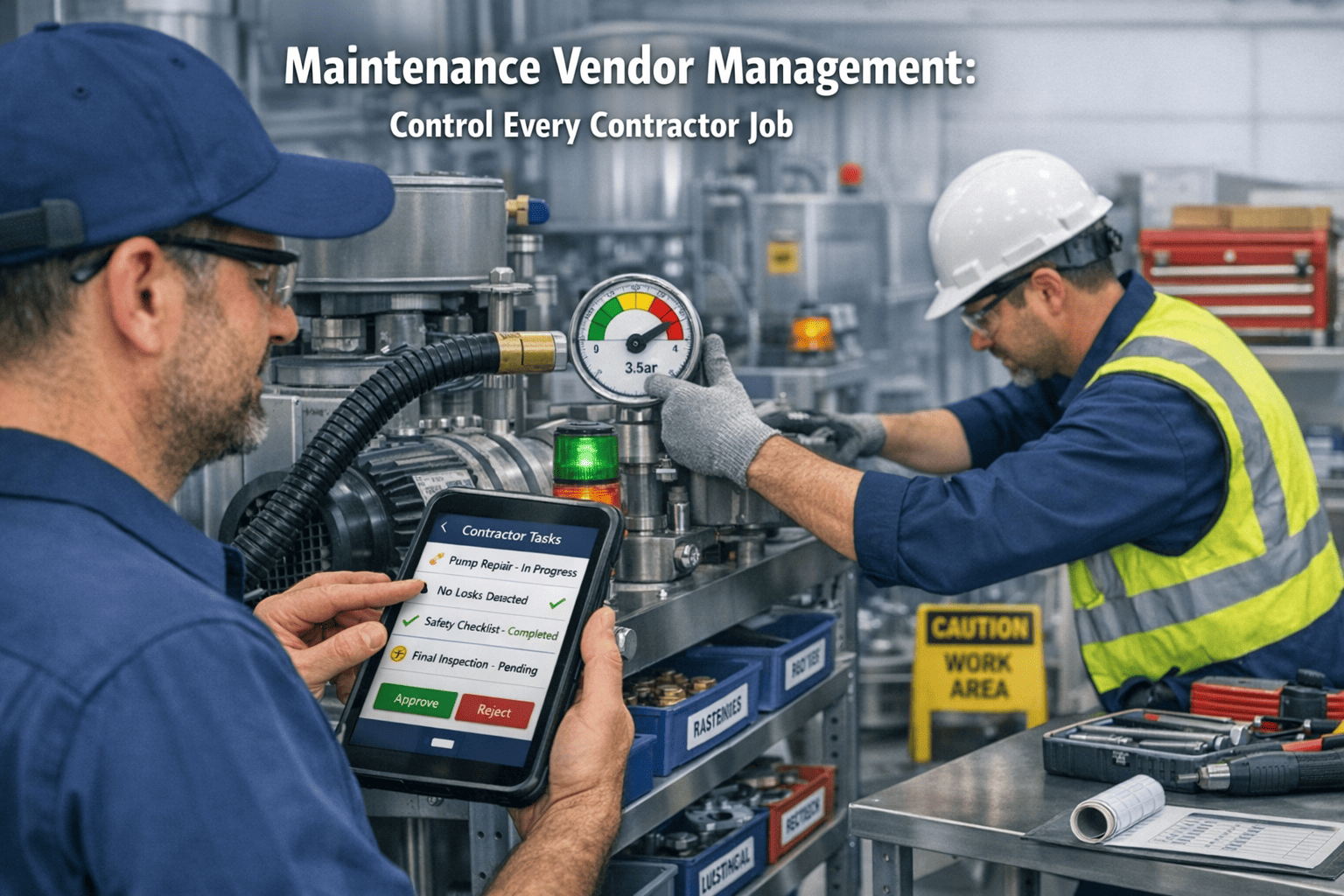
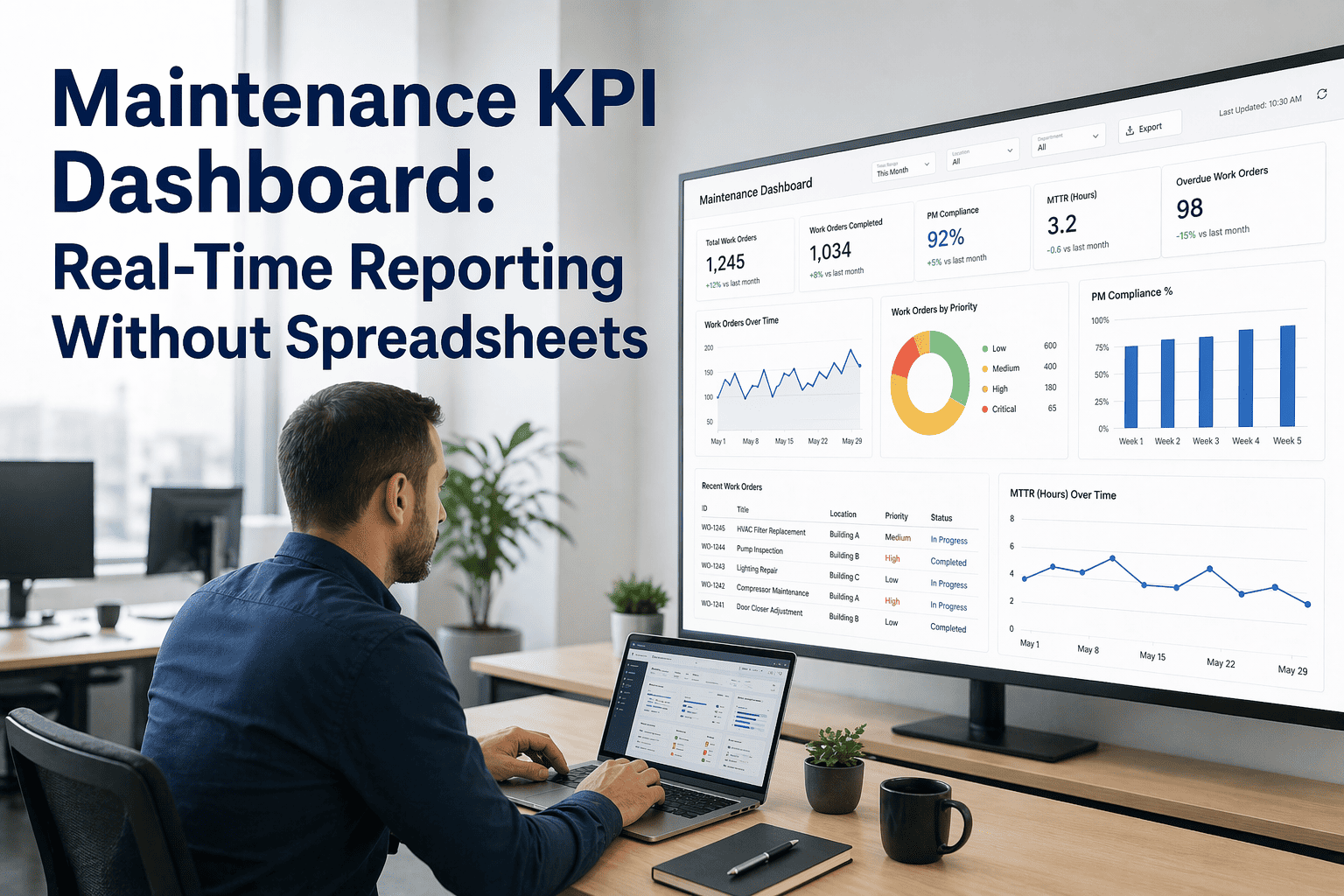
Autonomous maintenance is the first and most foundational pillar of Total Productive Maintenance — and the one most facilities get wrong. The concept is simple: operators who use equipment daily should perform routine cleaning, inspection, and lubrication rather than waiting for specialized technicians. In practice, 68% of autonomous maintenance programs fail within the first year because they rely on paper checklists, inconsistent training, and no system to track whether tasks are actually completed. The gap between "operators should inspect equipment" and "operators consistently detect faults before failure" is filled by digital tools — mobile checklists, CMMS-based task tracking, and visual standards that make the right action easier than the wrong one. Start building digital operator checklists on Oxmaint or book a demo to see how TPM teams track AM completion rates in real time.
85%
OEE benchmark — world-class for discrete manufacturers using TPM with autonomous maintenance
84%
of equipment failures are self-induced — caused by careless work habits, improper training, or human error
40%
typical OEE for manufacturers without TPM or lean programs — half the world-class benchmark
7
structured steps in the autonomous maintenance implementation framework — from initial clean to full ownership
What Is Autonomous Maintenance?
Autonomous maintenance is a structured approach where machine operators take responsibility for routine maintenance activities — cleaning, visual inspections, lubrication, checking fluid levels, tightening loose components, and replacing easily accessible parts like filters or belts. It is the first of the 8 pillars of Total Productive Maintenance (TPM) and the most foundational. The goal is to establish a first line of defense against equipment failure by ensuring machines remain in optimal working condition through daily attention by the people who know them best. AM is operator-led and continuous. Preventive maintenance is technician-led and periodic. Together, they form complementary layers of a reliability strategy. Book a demo to see digital AM checklists in Oxmaint configured for your equipment types.
The 7 Steps of Autonomous Maintenance
1
Increase Operator Knowledge
Train operators on how equipment works — which parts need periodic maintenance, how components interact, and what to look for during inspection. Use digital one-point lessons and visual training materials.
2
Initial Cleaning and Inspection
Deep clean equipment to remove dirt, dust, oil residues, and contaminants. This exposes hidden defects like loose bolts, oil leaks, damaged seals, and misaligned components that normal production obscures.
3
Eliminate Contamination Sources
Identify and eliminate factors causing rapid equipment deterioration — oil spray, dust ingress, water leaks, unsecured covers. Install protective guards, improve sealing systems, isolate contamination sources.
4
Set Lubrication and Inspection Standards
Define standard procedures for routine cleaning and lubrication — frequency, locations, lubrication types, methods. Use visual management tools like color-coded lube points and standardized inspection tags.
5
Conduct Inspection and Monitoring
Operators perform scheduled inspections and submit reports with photos on equipment condition. Data is shared and monitored to ensure all equipment is maintained and in working condition.
6
Standardize Visual Management
Create standardized work instructions and checklists for every piece of equipment. Use red/green abnormality tagging systems so defects are visible, documented, and tracked to resolution.
7
Establish Continuous Improvement
Use CMMS data to identify patterns, improve procedures, and evolve operator capabilities. Operators progress from basic cleaning to full equipment ownership with the skills to diagnose and prevent failures.
+
Digital Enablement
A CMMS captures every operator inspection, flags recurring abnormalities, creates instant work orders for detected faults, and tracks AM completion rates — turning paper-based AM into a measurable, improvable system.
Paper Checklists vs. Digital AM in CMMS
Paper-Based AM
Checklists filled out inconsistently — or not at all
Abnormalities reported verbally with no audit trail
No visibility into AM completion rates by shift or operator
Defects reported on paper sit in a folder until someone reads them
No link between operator findings and maintenance work orders
Training compliance tracked in spreadsheets or not tracked at all
CMMS-Based Digital AM
Mobile checklists with mandatory fields and photo capture
Every abnormality timestamped, categorized, and photo-documented
Real-time AM completion dashboards by line, shift, and operator
Detected defects auto-generate work orders to maintenance team
Operator findings directly linked to asset records and failure history
Training modules and skill matrices tracked digitally with assessments
Replace paper AM checklists with mobile digital inspections
Operators complete checklists on their phone. Detected faults go straight to your maintenance team with zero manual steps.
Start Free Trial
How Oxmaint Powers Autonomous Maintenance
Mobile Operator Checklists
Build equipment-specific AM checklists with mandatory fields, photo capture, and pass/fail criteria. Operators complete inspections on their phone in under 5 minutes per machine.
Auto-Generated Work Orders
Any failed inspection item or flagged abnormality automatically generates a work order to the maintenance team — with asset ID, photos, and operator notes attached. No manual handoff required.
AM Completion Rate Tracking
Dashboard shows AM task completion by line, shift, operator, and equipment type. Missed inspections are flagged before the shift ends — not discovered during the next audit.
Abnormality Trend Analysis
Track recurring defects by equipment, component, and failure type. Identify chronic issues that need root cause analysis rather than repeated temporary fixes.
Digital SOPs and One-Point Lessons
Attach visual instructions, one-point lessons, and training materials directly to AM checklist tasks. Operators access the right guidance at the right machine at the right time.
OEE Integration
AM data feeds directly into OEE calculations. See the direct relationship between autonomous maintenance compliance and equipment availability, performance, and quality metrics.
AM Impact on Equipment Reliability
30%
reduction in unplanned breakdowns within 90 days of consistent AM implementation
85%
OEE target achievable with digital AM checklists combined with structured PM programs
60%
fewer maintenance technician call-outs when operators handle routine cleaning, lubrication, and tightening
5 min
average time to complete a digital AM checklist per machine — faster than paper and more accurate
Give Operators the Tools to Own Their Equipment
Oxmaint turns autonomous maintenance from a paper exercise into a measurable reliability programme — with mobile checklists, automatic work order generation, and real-time AM compliance tracking that shows exactly where your TPM programme stands.
Frequently Asked Questions
What is the difference between autonomous maintenance and preventive maintenance?
Autonomous maintenance assigns routine daily care — clean, inspect, lubricate — to operators, with a focus on ownership and early detection. Preventive maintenance is planned, interval-based work done by technicians focused on deeper servicing, calibrations, or part replacements. AM is continuous and operator-led. PM is periodic and technician-led. Together, they form complementary layers of a reliability strategy.
How long does it take to implement an autonomous maintenance program?
Most facilities see measurable improvement within 60 to 90 days of consistent AM execution. The 7-step framework is designed for gradual implementation — starting with basic training and cleaning, then progressing to standardized inspections and full operator ownership. Digital tools like Oxmaint accelerate the process by making checklists, training materials, and compliance tracking available from day one.
What are the most common reasons autonomous maintenance programs fail?
The three most common failure points are insufficient operator training, inconsistent standards (no standardized checklists or visual management), and lack of management follow-through. Paper-based programs are particularly vulnerable because there is no system to track completion rates, flag missed inspections, or connect operator findings to maintenance action. A CMMS addresses all three by providing structured checklists, real-time compliance tracking, and automatic work order generation.
Can Oxmaint track AM completion and generate work orders from operator inspections?
Yes. Oxmaint provides mobile AM checklists with mandatory fields, photo capture, and pass/fail criteria. Failed items or flagged abnormalities automatically generate work orders to the maintenance team with full context. AM completion rates are tracked in real time by line, shift, and operator — giving supervisors immediate visibility into compliance without manual audit.