Belt Conveyors checklist
Maintenance Checklists for Belt Conveyors: A Comprehensive Guide
Belt conveyors are a critical asset in material handling and are widely used for transporting goods, products, or packages within a facility or between locations. As a vital component of production and distribution systems, belt conveyor maintenance management is essential to ensure optimal performance, minimize downtime, and extend the asset's lifespan.
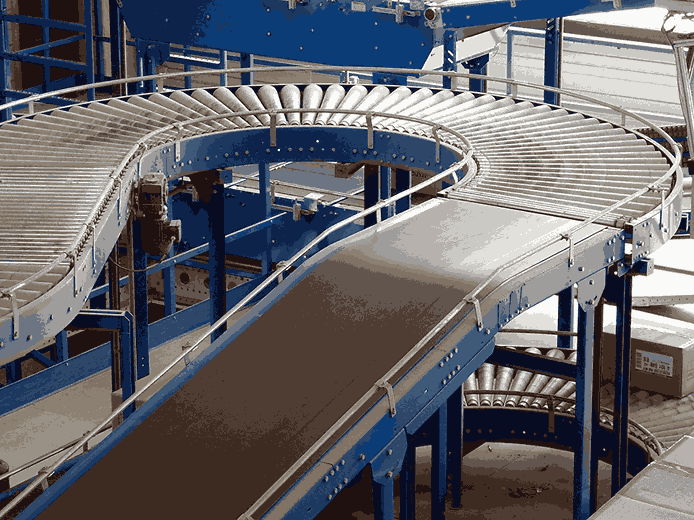
In this article, we'll explore detailed belt conveyors maintenance checklists accompanied by relevant keywords to streamline maintenance tasks and ensure thorough management.
Here is a comprehensive maintenance life cycle for belt conveyors:
-
Installation and Commissioning
- Verify proper installation of conveyor components
- Check for proper alignment and tensioning of the belt
- Test and calibrate controls and safety devices
- Ensure proper lubrication of moving parts
- Document installation details and commissioning results
-
Routine Maintenance (Daily/Weekly)
- Visually inspect the conveyor belt for wear, damage, or tracking issues
- Check for any unusual noise or vibration during operation
- Clean the conveyor belt and surrounding area
- Ensure proper functioning of safety devices and emergency stops
- Document all maintenance tasks performed
-
Periodic Maintenance (Monthly/Quarterly)
- Perform a thorough inspection of the entire conveyor system
- Check and adjust belt alignment and tensioning as needed
- Lubricate bearings, pulleys, and other moving parts
- Inspect and replace worn or damaged rollers, idlers, and pulleys
- Check and tighten all fasteners and hardware
- Test and calibrate sensors, switches, and control devices
- Document all maintenance tasks performed
-
Annual Maintenance
- Perform all periodic maintenance tasks
- Conduct a detailed inspection of the conveyor structure and supports
- Check and replace worn or damaged belting as needed
- Inspect and service the drive system, including motors, gearboxes, and couplings
- Test and calibrate overload protection devices
- Perform a comprehensive safety assessment of the conveyor system
- Document all maintenance tasks performed
-
Safety Inspections
- Verify the presence and condition of safety guards and barriers
- Test emergency stop buttons and pull cords
- Check for proper functioning of interlocks and lockout/tagout devices
- Ensure adequate lighting and visibility around the conveyor
- Inspect walkways, crossovers, and access points for safety and accessibility
- Document all safety inspection findings and corrective actions
-
Preventive Maintenance
- Develop and implement a preventive maintenance schedule based on manufacturer recommendations and operational requirements
- Use predictive maintenance techniques, such as vibration analysis and thermal imaging, to detect potential issues early
- Regularly monitor conveyor performance and track key metrics, such as energy consumption and throughput
- Continuously improve maintenance processes based on data analysis and best practices
-
Spare Parts Management
- Maintain an inventory of critical spare parts and consumables
- Establish minimum stock levels and reorder points for each item
- Regularly review and update spare parts inventory based on usage and lead times
- Implement a system for tracking and managing spare parts, such as barcoding or RFID
-
Training and Documentation
- Provide training for maintenance staff on conveyor system operation, maintenance, and safety procedures
- Develop and maintain standard operating procedures (SOPs) for all maintenance tasks
- Create and update maintenance logs, checklists, and reports
- Maintain accurate records of conveyor specifications, modifications, and repair history
- Ensure compliance with relevant safety regulations and industry standards
Standard Operating Procedure (SOP) for Belt Conveyor Maintenance:
-
Purpose
- The purpose of this SOP is to provide a guided procedure for conducting maintenance checklists on belt conveyor systems.
-
Scope
- This SOP applies to all maintenance managers, technicians, and personnel responsible for maintaining belt conveyor systems.
-
Responsibilities
-
Maintenance Manager
- Ensure that all maintenance personnel are trained and qualified to perform belt conveyor maintenance tasks
- Schedule and coordinate maintenance activities
- Review and approve completed maintenance checklists and reports
-
Maintenance Technicians
- Conduct maintenance tasks according to the checklists and schedules
- Document all findings, actions, and recommendations
- Report any issues or concerns to the maintenance manager
-
-
Procedure
-
Preparation
- Review the maintenance checklist for the specific belt conveyor and task
- Gather necessary tools, equipment, and personal protective equipment (PPE)
- Notify affected personnel of the maintenance schedule and potential disruptions
-
Safety Precautions
- Follow all applicable safety regulations and guidelines
- Use appropriate PPE, such as hard hats, safety glasses, gloves, and steel-toed shoes
- Ensure that the conveyor is properly locked out and tagged out before performing maintenance
- Maintain a clean and orderly work area to prevent slips, trips, and falls
-
Maintenance Tasks
- Conduct maintenance tasks according to the specific checklist and schedule
- Follow the step-by-step instructions provided in the checklist
- Take note of any abnormalities, deficiencies, or areas of concern
- Perform necessary repairs or adjustments as specified in the checklist
- Clean and lubricate components as required
- Test and calibrate controls and safety devices
-
Documentation
- Record all findings, actions, and measurements in the appropriate sections of the checklist
- Note any recommended repairs, replacements, or upgrades
- Sign and date the completed checklist
- Submit the checklist to the maintenance manager for review and approval
-
Follow-up
- Address any outstanding issues or recommendations from the maintenance checklist
- Schedule any necessary repairs or replacements
- Update the maintenance records and equipment inventories
- Communicate any changes or updates to affected personnel
-
-
Quality Control
- The maintenance manager shall review and approve all completed maintenance checklists
- Conduct periodic audits to ensure that maintenance tasks are being performed according to the SOP and checklists
- Analyze maintenance data to identify trends, recurring issues, or opportunities for improvement
- Update the SOP and checklists as needed based on changes in equipment, regulations, or best practices
-
References
- Manufacturer's operation and maintenance manuals
- Industry standards and guidelines (e.g., CEMA, OSHA)
- Company policies and procedures
-
Attachments
- Belt conveyor maintenance checklists
- Equipment specifications and spare parts lists
- Safety data sheets (SDS) for lubricants and cleaning agents
By following this SOP and using the associated checklists, maintenance personnel can ensure that belt conveyor systems are maintained consistently, safely, and effectively, while also promoting a culture of continuous improvement and adherence to best practices.
Frequently Asked Questions (FAQs) for Belt Conveyors Life Cycle Checklists and Procedure
The frequency of belt conveyor maintenance depends on factors such as the conveyor's usage, environment, and criticality. Generally, routine inspections should be conducted daily or weekly, with more comprehensive maintenance performed monthly, quarterly, or annually.
Trained and qualified maintenance technicians are responsible for conducting maintenance tasks, while the maintenance manager oversees the process and ensures compliance with the SOP.
Technicians should follow all applicable safety regulations, use appropriate PPE, ensure the conveyor is properly locked out and tagged out, and maintain a clean and orderly work area to prevent accidents.
If a problem is identified during maintenance, the technician should document the issue, perform necessary repairs or adjustments if possible, and report the problem to the maintenance manager for further action.
Maintenance tasks are documented using specific checklists for each type of belt conveyor and maintenance schedule. Technicians record findings, actions, and measurements on the checklists, which are then reviewed and approved by the maintenance manager.
The effectiveness of the belt conveyor maintenance program can be evaluated by analyzing maintenance data, tracking key performance indicators (KPIs), and conducting periodic audits to ensure compliance with the SOP and checklists.
If a belt conveyor requires major repairs or replacement, the issue should be documented, and the maintenance manager should be notified. The manager will then coordinate with the appropriate personnel to schedule the necessary work and update maintenance records accordingly.
The belt conveyor maintenance SOP should be reviewed and updated periodically, typically annually or whenever there are significant changes in equipment, regulations, or best practices.
Belt conveyor maintenance technicians should have appropriate technical training, certifications, and experience as required by industry standards and company policies. They should also receive specific training on the belt conveyor systems they will be maintaining and the maintenance SOP.
If a checklist item does not apply to a specific belt conveyor, the technician should mark the item as "N/A" (not applicable) and provide a brief explanation if necessary.

Virtual assistant
close- smart_toy