In 2025, healthcare facility management is at the heart of delivering safe, high-quality patient care while navigating the stringent standards of Joint Commission compliance. The Joint Commission (TJC), accrediting over 22,000 healthcare organizations across the U.S., sets the gold standard for ensuring patient safety, operational efficiency, and quality care. Compliance with TJC standards not only builds trust with patients and staff but also secures eligibility for Medicare and Medicaid reimbursements, avoiding penalties that can exceed $75,000 per violation. With updated regulations emphasizing infection control, emergency preparedness, and data security, facility managers face a complex yet critical challenge. This in-depth guide presents 20 actionable compliance strategies to ace TJC surveys, optimize hospital facility management, and ensure a safe care environment. From leveraging technology to fostering a culture of safety, these insights will empower healthcare leaders to achieve accreditation and elevate patient outcomes in 2025.
Critical Insight: TJC compliance enhances patient trust, reduces legal risks, and ensures funding eligibility, making it a non-negotiable priority for healthcare facilities.
Why Joint Commission Compliance Matters
The Joint Commission’s standards focus on improving healthcare quality through rigorous requirements in areas like patient safety, infection prevention, and facility operations. TJC conducts unannounced surveys every 24-36 months, using a tracer methodology to evaluate patient care processes and facility management. Non-compliance risks conditional accreditation, financial penalties, or loss of funding, while successful compliance boosts reputation and operational efficiency. For example, compliant facilities report up to 30% fewer safety incidents and improved patient satisfaction scores. By prioritizing healthcare accreditation, facility managers can align with federal regulations and deliver exceptional care.
20 Compliance Strategies for Joint Commission Accreditation
These 20 strategies, rooted in best practices, will ensure your facility meets TJC standards and excels in healthcare facility management in 2025:
- Conduct Mock Surveys: Simulate TJC audits to identify and address compliance gaps proactively.
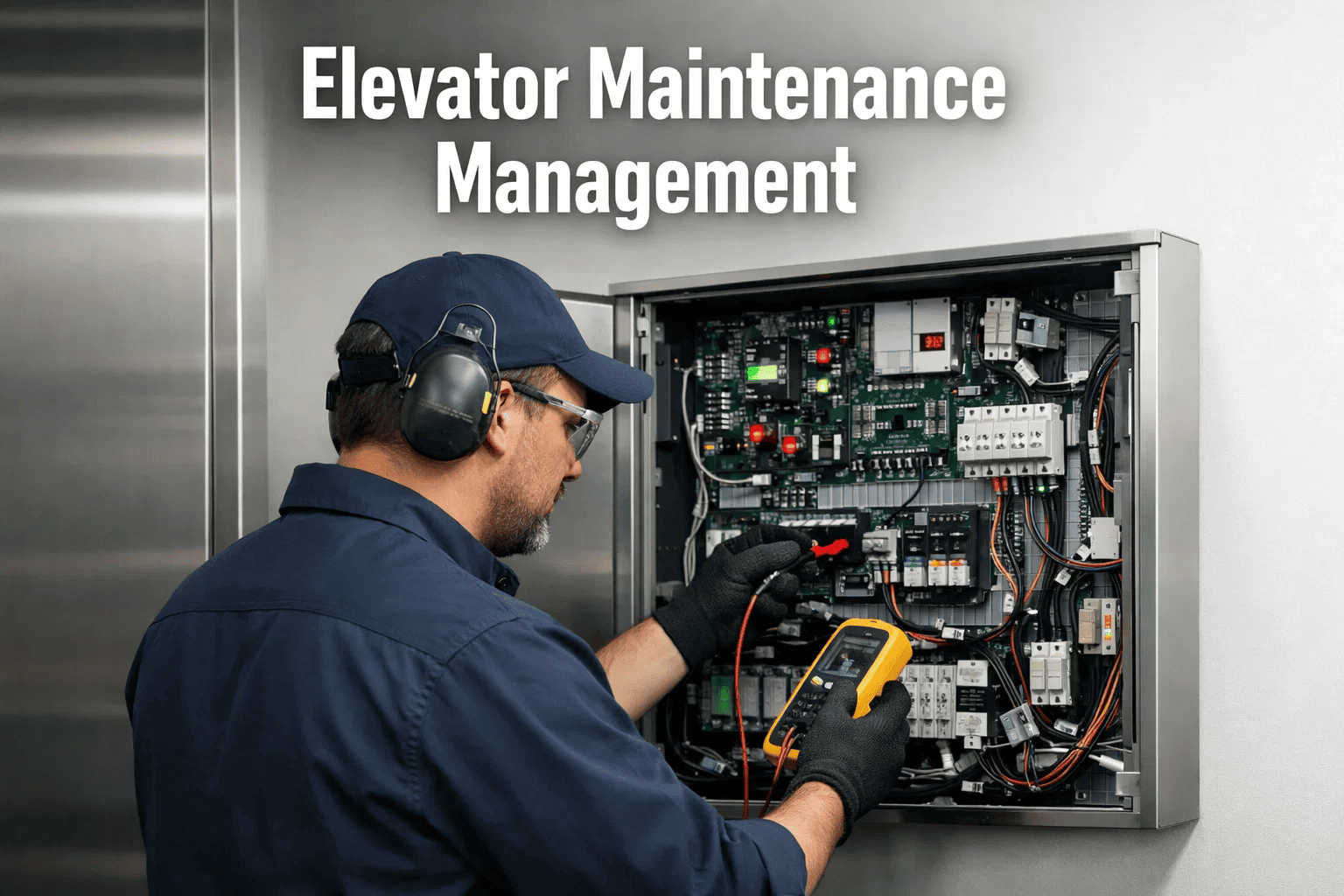
- Leverage CMMS Tools: Use Computerized Maintenance Management Systems to automate equipment maintenance and ensure uptime.
- Provide Comprehensive Staff Training: Educate all staff on TJC standards, from clinicians to support teams, to ensure consistent compliance.
- Maintain Detailed Equipment Records: Track medical devices to meet TJC and CMS inventory requirements, reducing audit risks.
- Strengthen Infection Control: Implement strict cleaning protocols to reduce hospital-acquired infections by 20%.
- Update Emergency Plans: Revise plans for natural disasters and pandemics to align with TJC’s updated Emergency Management standards.
- Streamline Medication Management: Use EHRs to track prescriptions and educate patients, minimizing errors.
- Monitor Environment of Care (EOC): Regularly inspect HVAC, fire safety, and utilities to meet TJC EOC requirements.
- Ensure Accurate Documentation: Align EHRs with TJC policies for seamless audit reviews.
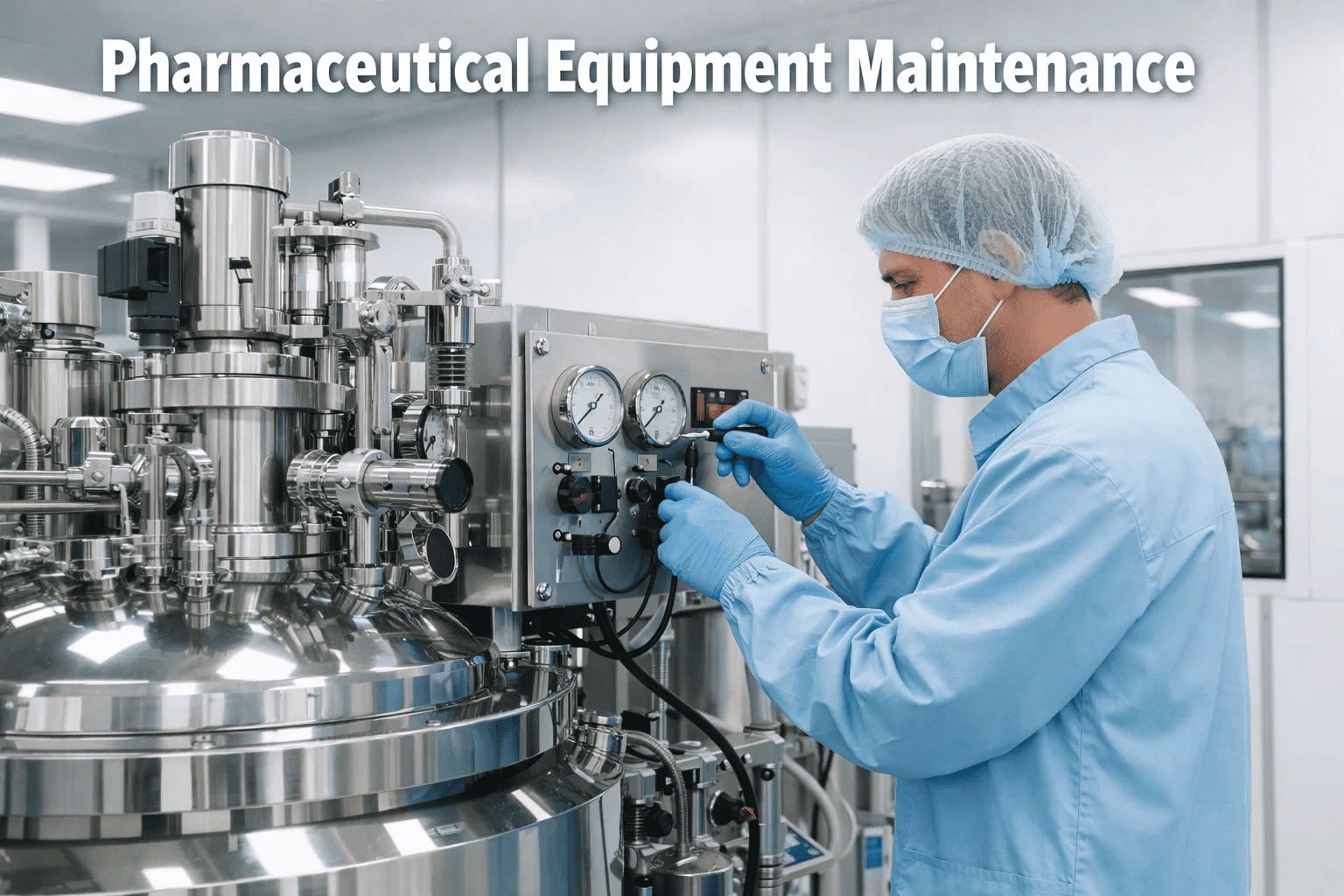
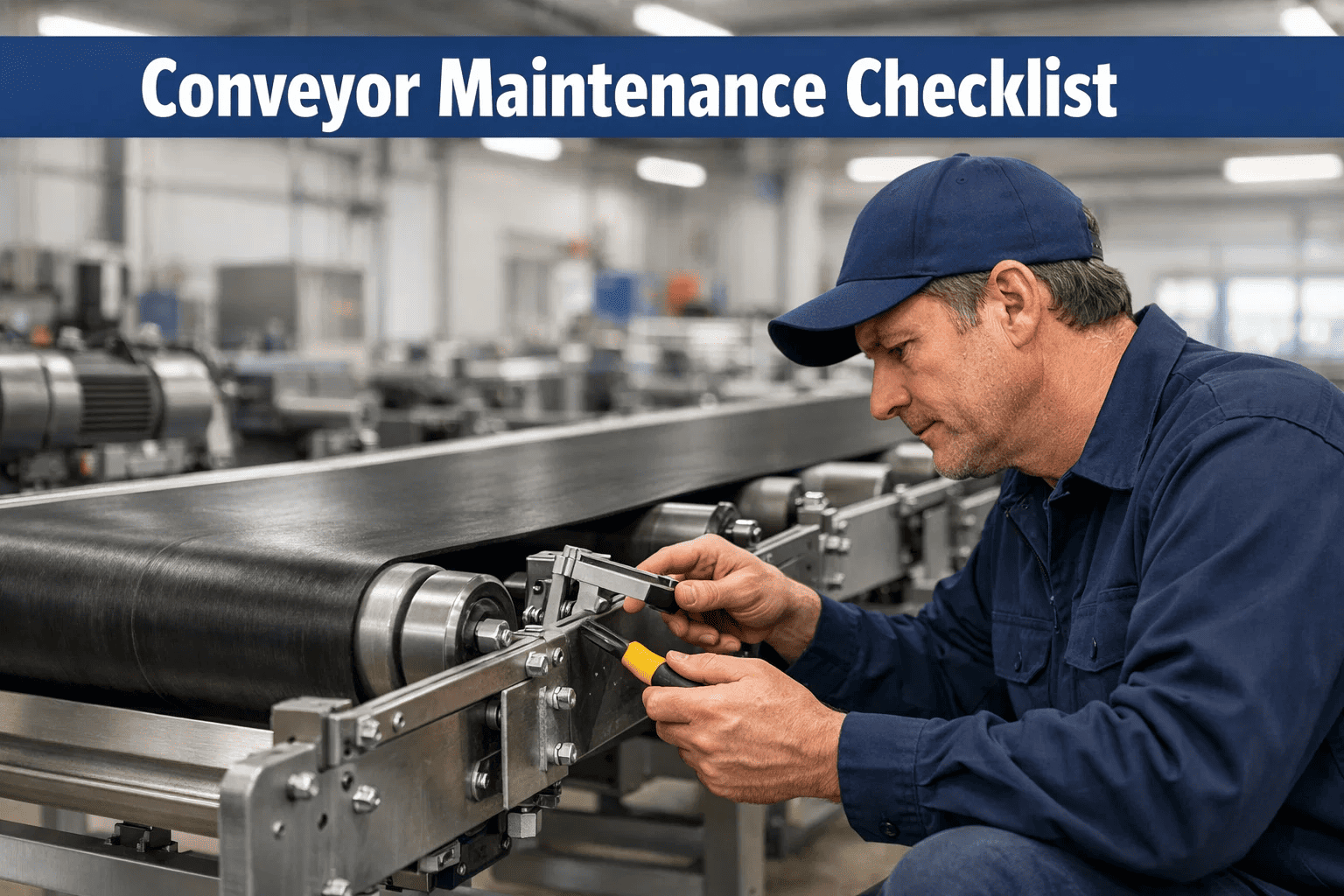
- Schedule Preventive Maintenance: Maintain critical equipment like ventilators to prevent failures and ensure compliance.
- Adopt Continuous Improvement: Use TJC self-assessment tools to monitor and address compliance gaps regularly.
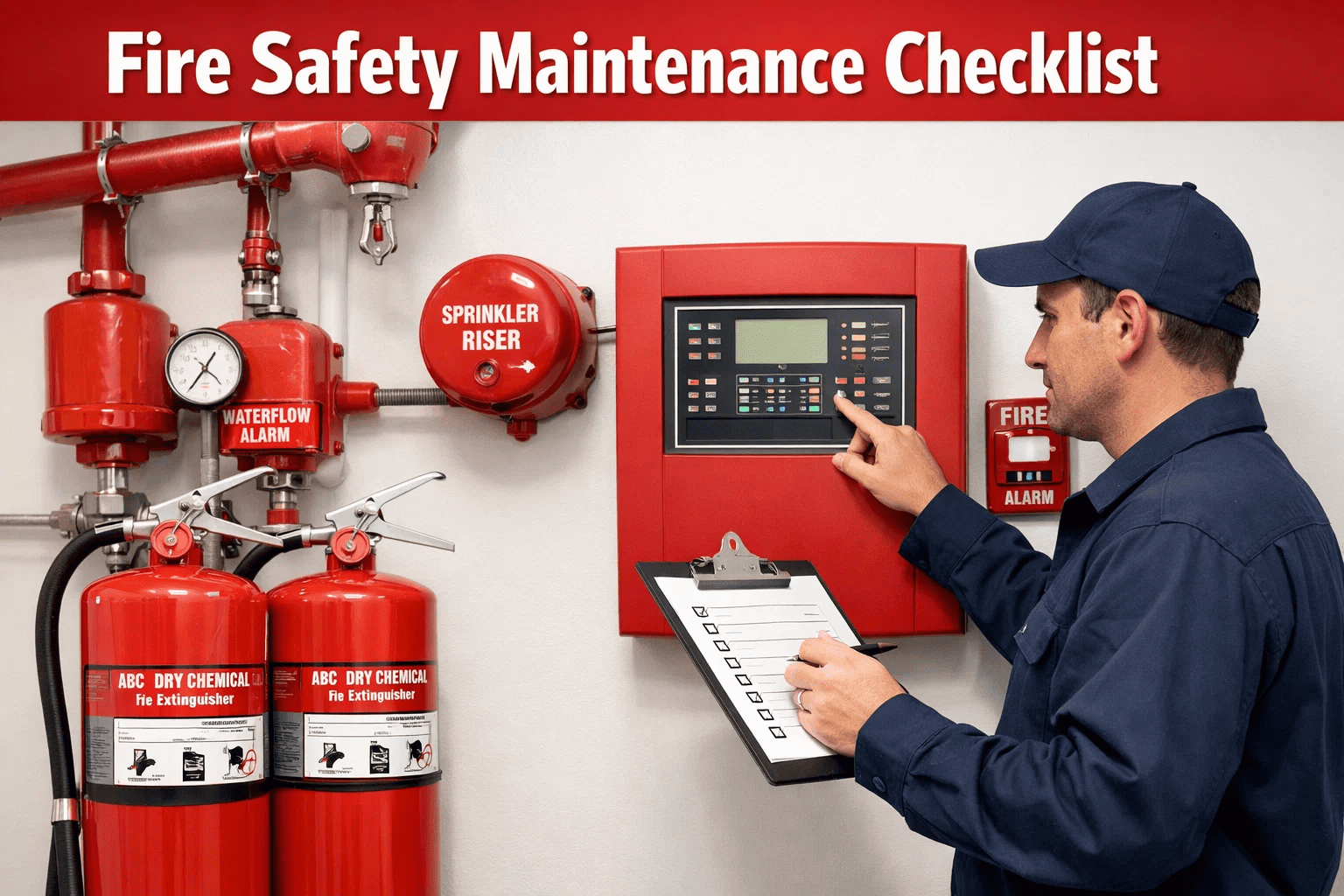
- Implement Fire Safety Measures: Conduct fire drills and maintain NFPA-compliant inspection records.
- Promote Multidisciplinary Coordination: Foster collaboration among care teams to improve outcomes and reduce readmissions.
- Secure Patient Data: Use HIPAA-compliant systems to protect sensitive information during audits.
- Track Compliance KPIs: Monitor metrics like infection rates and patient satisfaction to demonstrate TJC adherence.
- Perform Regular Audits: Conduct internal reviews to ensure compliance across all departments.
- Verify Staff Credentials: Ensure all staff are qualified and certified, meeting TJC’s human resources standards.
- Enhance Patient Education: Provide clear discharge instructions to boost health literacy and compliance.
- Automate Compliance Reporting: Use software to generate audit-ready reports, streamlining TJC survey preparation.
- Cultivate a Safety Culture: Encourage staff to report errors and near-misses to drive continuous safety improvements.
Pro Tip: Facilities using compliance management software reduce audit risks by 30% and enhance patient safety through streamlined processes.
Key Compliance Metrics to Monitor
Track these healthcare KPIs to ensure TJC compliance and improve facility performance:
- Hospital-Acquired Infection Rate: Monitor infections to keep rates below 2%.
- Equipment Uptime: Ensure critical equipment downtime stays below 5%.
- Patient Satisfaction Score: Target 90%+ satisfaction via patient surveys.
- Compliance Audit Pass Rate: Aim for 95% pass rate in internal audits.
- Emergency Drill Completion: Achieve 100% completion of required drills annually.
- Medication Error Rate: Keep errors below 1% with robust tracking systems.
FAQs About Joint Commission Compliance
What is Joint Commission compliance?
Joint Commission compliance involves meeting TJC standards for patient safety, quality care, and facility operations through regular audits and surveys.
How often does TJC conduct surveys?
TJC performs unannounced surveys every 24-36 months for most facilities, with laboratories surveyed every 24 months.
How can technology aid TJC compliance?
Tools like CMMS software automate maintenance, track equipment, and generate compliance reports, reducing audit risks.
What happens if a facility fails a TJC survey?
Non-compliance may result in conditional accreditation, fines up to $75,000, or loss of Medicare/Medicaid funding.
How can facilities prepare for unannounced TJC surveys?
Conduct mock surveys, maintain accurate records, train staff, and use compliance software to stay audit-ready.
Why is infection control a TJC priority?
Infection control reduces hospital-acquired infections, ensuring patient safety and aligning with TJC’s core standards.
How does a safety culture improve compliance?
A safety culture encourages error reporting and continuous improvement, reducing risks and aligning with TJC goals.
Conclusion: Your Path to TJC Compliance Success in 2025
In 2025, healthcare facility management is the backbone of delivering exceptional patient care while achieving Joint Commission compliance. By adopting the 20 strategies outlined—from mock surveys and CMMS tools to infection control and staff training—facilities can reduce compliance risks by 30%, enhance patient safety, and secure the prestigious TJC Gold Seal of Approval®. Monitoring KPIs like infection rates and equipment uptime ensures audit readiness and operational excellence. With unannounced TJC surveys and evolving regulations, proactive preparation is critical to avoiding penalties and maintaining funding eligibility. Embrace these strategies, foster a culture of safety, and position your healthcare facility as a leader in quality care and compliance in 2025’s dynamic regulatory landscape.
Achieve Gold-Standard TJC Compliance with Confidence
Reduce audit risk by 30% and elevate patient safety with OXmaint’s healthcare CMMS.