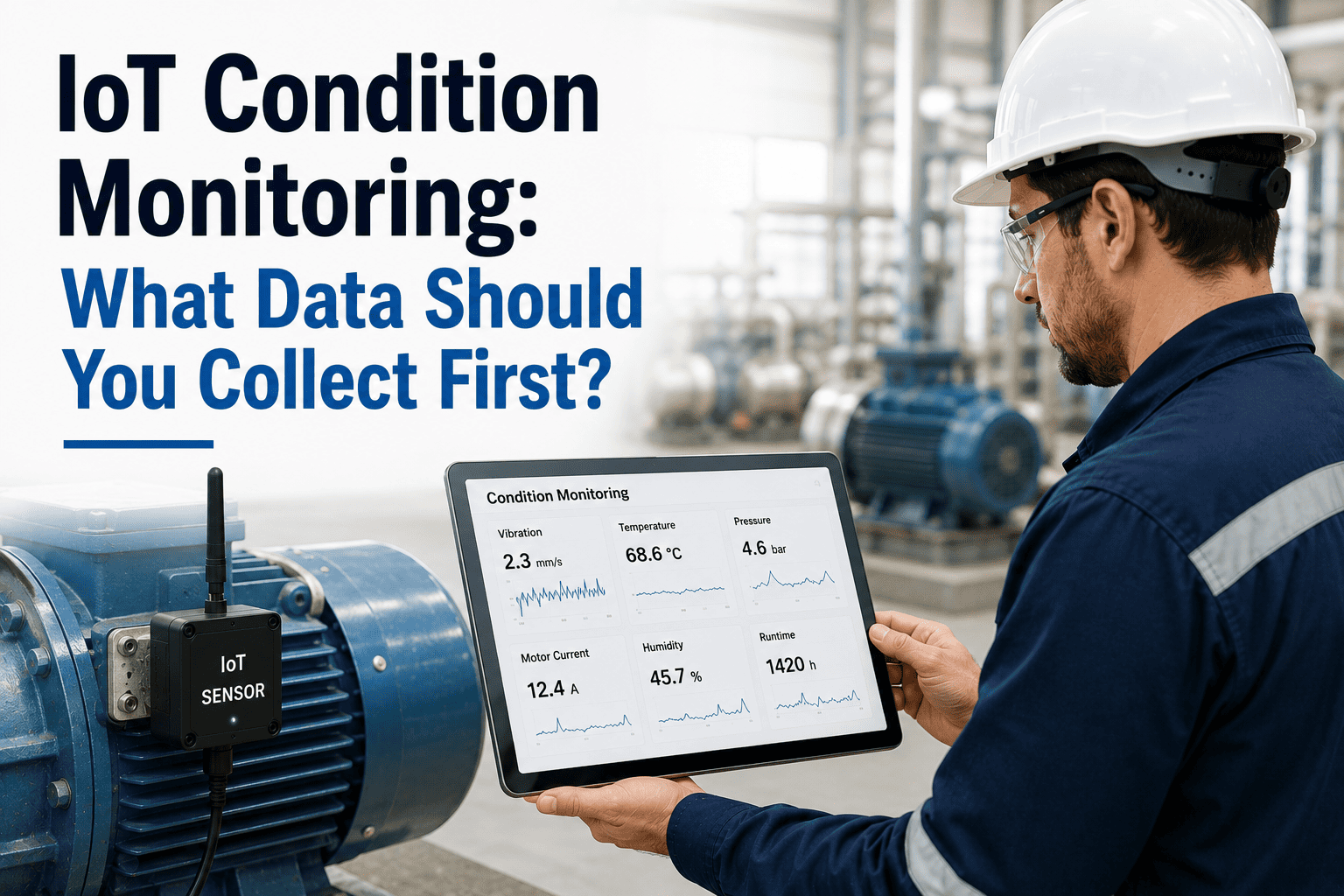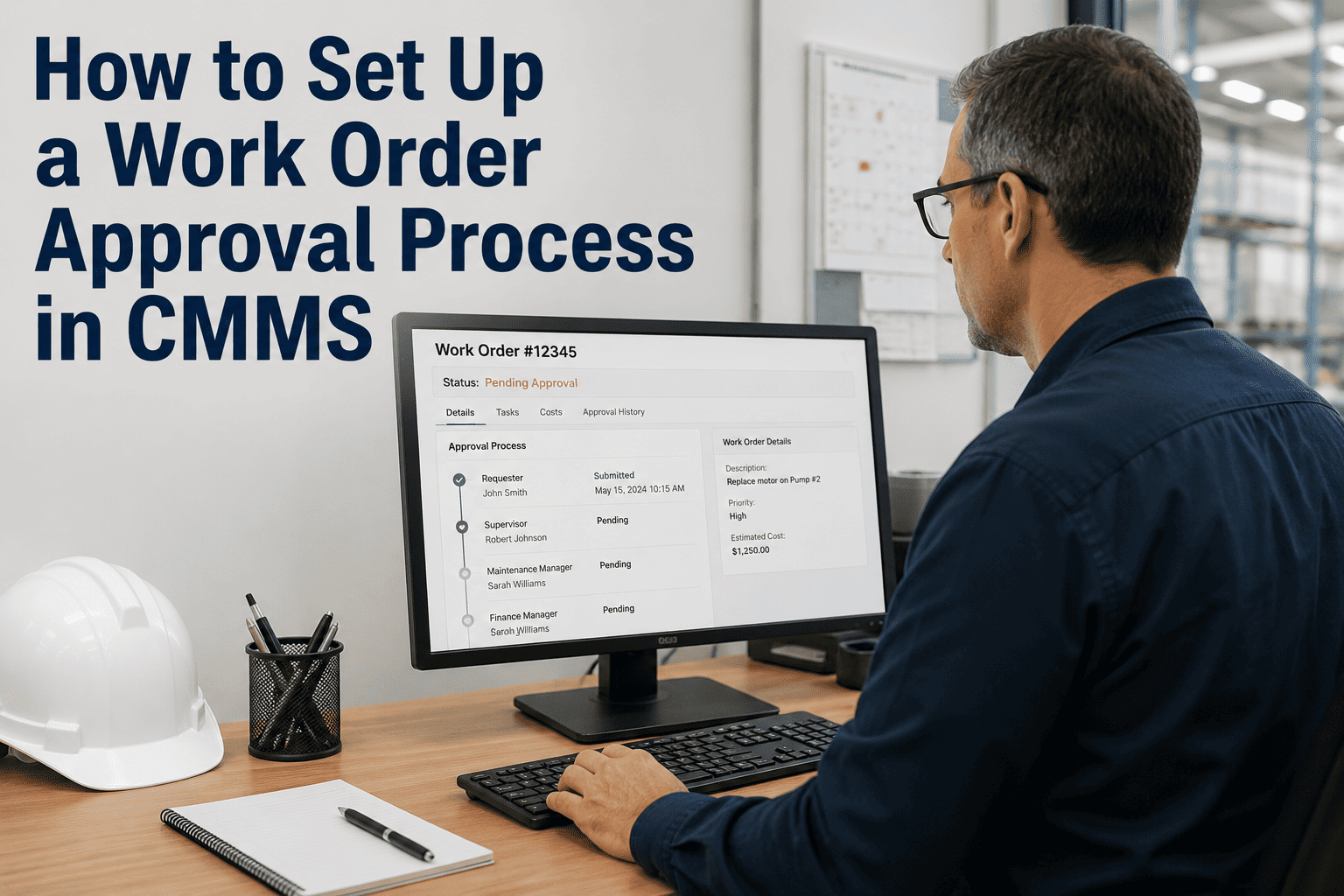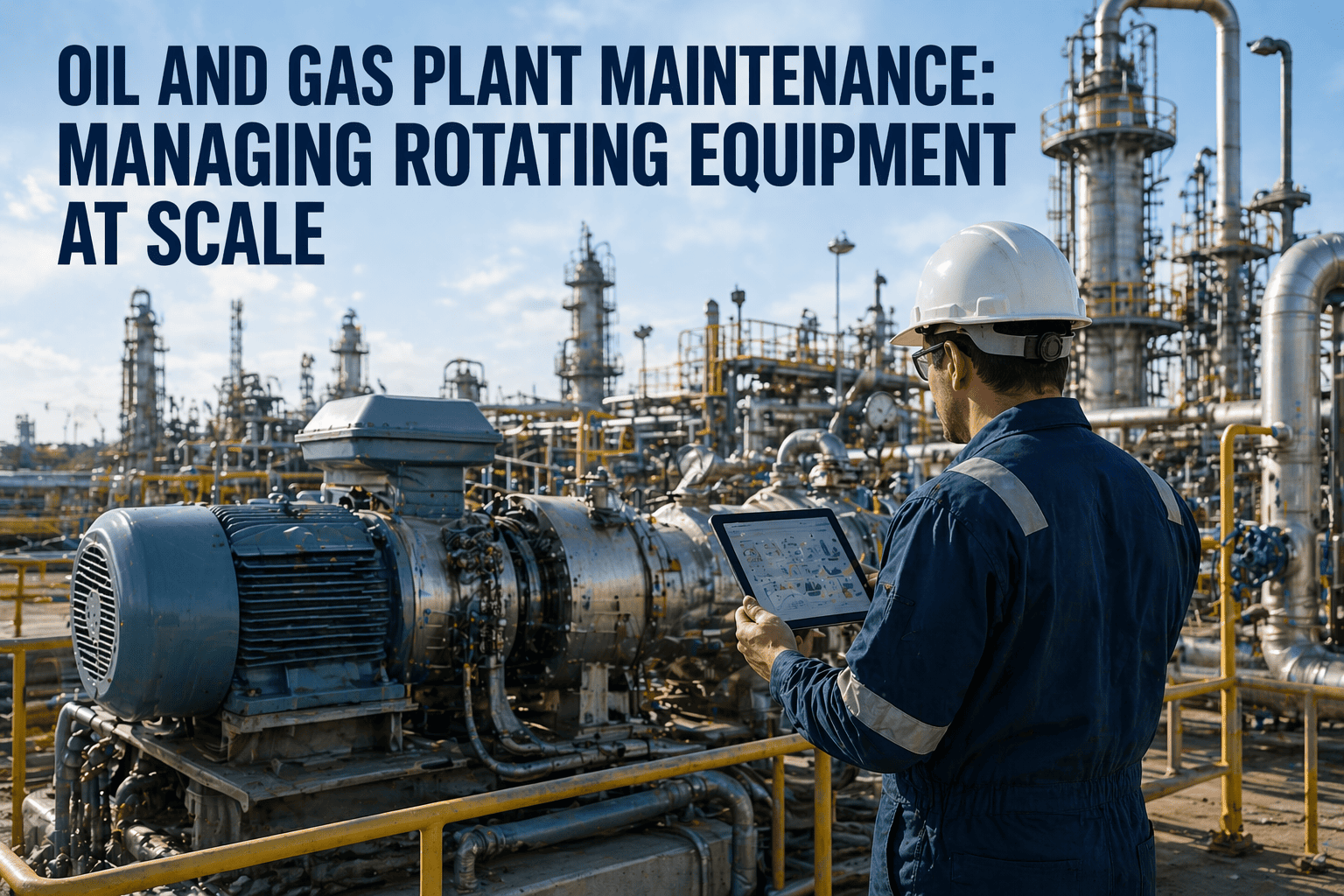
A single unplanned turbine shutdown in an oil and gas processing facility can cost between $500,000 and $2.5 million per day in lost throughput, emergency repairs, and downstream production cascades. Rotating equipment — turbines, compressors, pumps, and generators — accounts for over 60% of total maintenance spend in refinery and gas processing operations, yet 71% of maintenance teams still rely on calendar-based preventive schedules that miss the actual condition of these critical assets. Book a demo to see how OxMaint integrates vibration analysis, oil quality data, and bearing temperature monitoring with API-compliant maintenance workflows. Start a free trial and register your first rotating asset today.
Oil & Gas Maintenance: Rotating Equipment & Predictive CMMS Strategy
Monitor turbines, compressors, and pumps with real-time condition data. Maintain API compliance, reduce catastrophic failures by 40%, and transition from calendar-based to condition-based maintenance.
What Is Rotating Equipment Maintenance in Oil & Gas?
Rotating equipment maintenance encompasses the inspection, monitoring, and servicing of machinery with rotating components — gas turbines, centrifugal and reciprocating compressors, pumps, fans, blowers, and power generators — that form the mechanical backbone of oil and gas processing facilities. These assets operate under extreme pressures (up to 350+ bar), temperatures exceeding 500 C, and continuous duty cycles where a single bearing failure can cascade into a multi-million dollar shutdown. Effective rotating equipment maintenance requires integration of vibration analysis, oil condition monitoring, bearing temperature tracking, and seal integrity data with a CMMS that converts sensor readings into actionable work orders before catastrophic failure occurs. See this in action — start a free trial and book a demo to walk through rotating equipment dashboards.
Critical Rotating Assets in Oil & Gas Operations
Each rotating asset category has distinct failure modes, monitoring parameters, and maintenance intervals. A unified CMMS must manage all of them with asset-specific condition thresholds and compliance documentation requirements.
Every Turbine, Compressor, and Pump in One Platform. Condition-Based, Not Calendar-Based.
OxMaint connects vibration sensors, oil analysis results, and bearing temperature data with API-compliant maintenance workflows — so rotating equipment gets serviced based on actual condition, not arbitrary dates.
The Predictive Maintenance Framework for Rotating Equipment
Predictive maintenance for rotating equipment relies on four integrated monitoring disciplines. OxMaint consolidates data from all four into a single asset health score that drives work order priorities automatically. Explore this integration — start a free trial and book a demo to walk through a predictive monitoring dashboard.
Calendar-Based vs. Condition-Based Rotating Equipment Maintenance
The difference between calendar-based and condition-based maintenance is not incremental — it determines whether your turnaround interval is optimal or whether you are either running to failure or wasting money on unnecessary interventions.
Measurable Impact of CMMS-Driven Rotating Equipment Programs
Frequently Asked Questions
Does OxMaint support API 580, API 581, and other oil and gas compliance standards?
Yes. OxMaint supports documentation and workflow requirements for API 580 (Risk-Based Inspection), API 581 (Risk-Based Inspection Methodology), API 614 (Lubrication, Shaft-Sealing, and Oil Systems), and API 670 (Machinery Protection Systems). The platform maintains audit-ready inspection records, tracks equipment condition per API risk categories, and generates compliance reports with digital signatures and timestamps. All documentation is retrievable within minutes for API auditor review. Book a demo to see API compliance workflows.
How does OxMaint integrate with existing vibration monitoring systems?
OxMaint integrates with vibration monitoring platforms via API connections, SCADA data bus interfaces, and PLC sensor integration. Data from accelerometers, proximity probes, and velocity transducers feeds directly into asset health dashboards. When vibration levels cross ISO 10816 alarm thresholds, OxMaint automatically generates a prioritised work order with historical trend data attached — giving the reliability engineer complete context before dispatch. The platform supports both continuous online monitoring and periodic route-based vibration collection programs. Start a free trial to connect your first monitoring system.
Can OxMaint manage turnaround and shutdown maintenance planning?
OxMaint includes dedicated shutdown management capabilities for planning, scheduling, and executing turnaround maintenance. The platform tracks worklists, manages vendor and contractor coordination, monitors task completion against schedule, and documents all inspection findings during the shutdown window. Rotating equipment condition data accumulated between turnarounds informs the shutdown worklist — ensuring resources focus on assets with documented degradation rather than performing invasive inspections on equipment with healthy condition indicators. Book a demo to see shutdown management integration.
How does OxMaint handle oil analysis data integration for rotating equipment?
OxMaint accepts oil analysis results from external laboratories via structured data imports, linking each report to the specific rotating asset and lubricant batch. The platform tracks particle count, viscosity, moisture content, and wear metal concentration trends over time. When results indicate abnormal wear patterns — elevated iron in a gearbox, increased silicon in a turbine — the system flags the asset for inspection and adjusts maintenance priority automatically. Historical oil analysis data is retained alongside vibration and thermographic records to build comprehensive asset health profiles. Start a free trial to configure oil analysis integration.
Every Unplanned Turbine Shutdown Is a $2.5M Decision You Did Not Make. Start Making It With Data.
OxMaint integrates vibration, oil analysis, thermography, and performance data into a single rotating equipment health platform — so your reliability team acts on condition intelligence, not calendar assumptions.