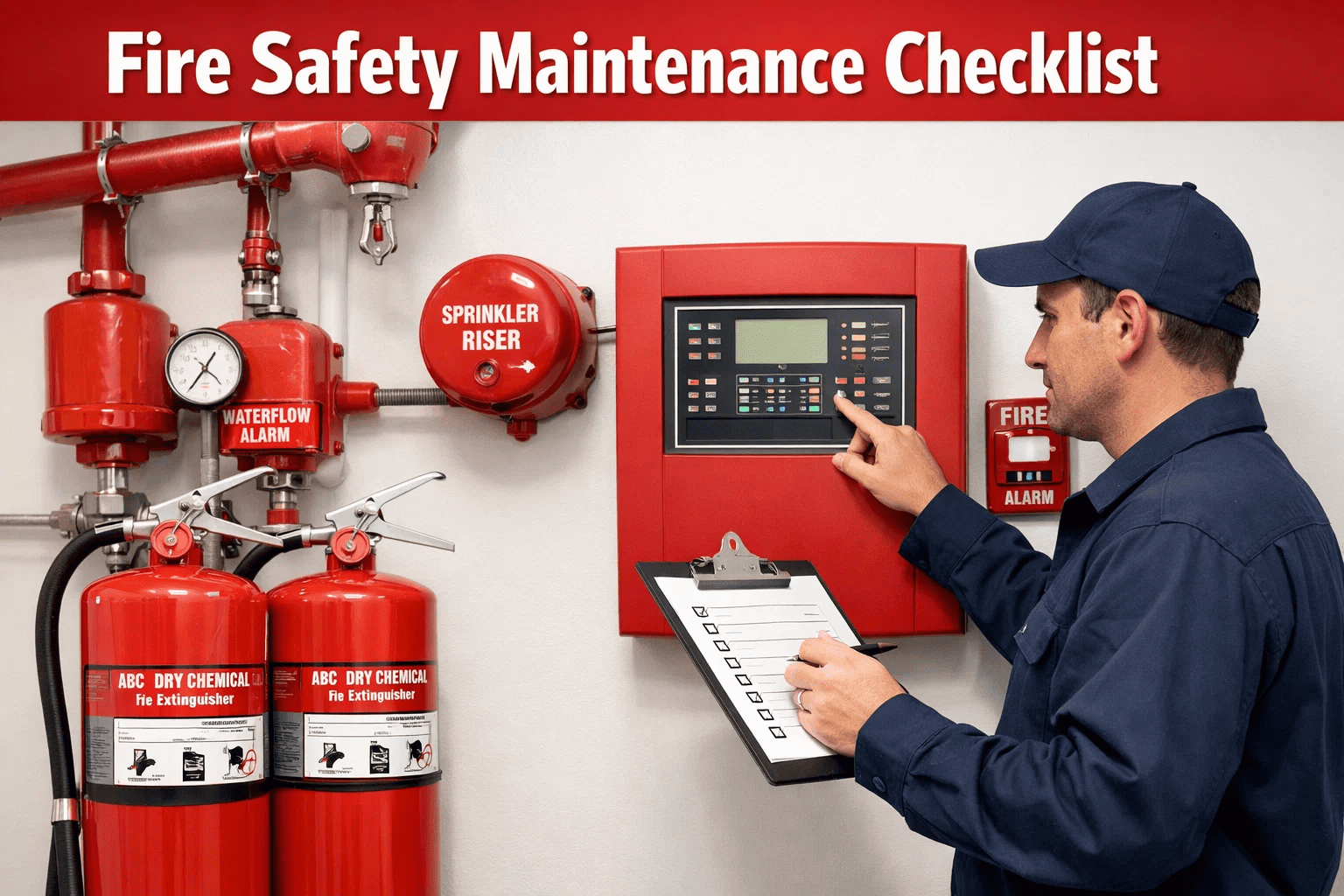
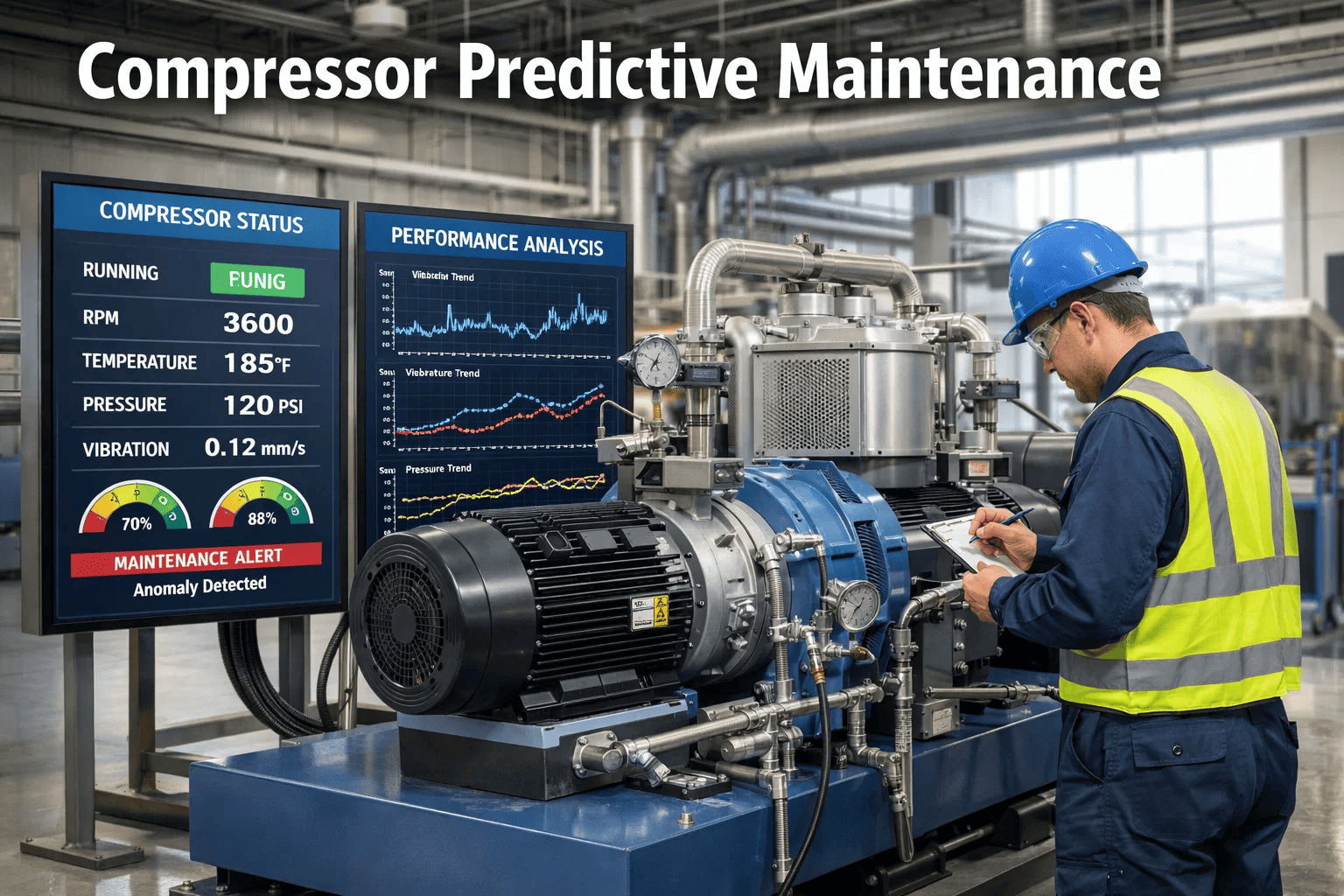
Data is the lifeblood of modern facility management, yet many departments are still drowning in "dark data"—information that is collected but never analyzed. Without a clear strategy for tracking Key Performance Indicators (KPIs), maintenance managers are essentially flying blind, unable to justify budget requests or predict equipment failures. By transitioning from basic record-keeping to advanced analytics, organizations can shift from a reactive "break-fix" mentality to a proactive, data-driven strategy that extends asset life and reduces operational costs. Sign up for OxMaint free to transform your raw maintenance data into professional, actionable reporting dashboards in minutes.
Data is Useless Without Insight.
OxMaint Turns Maintenance Metrics
Into Actionable Strategy.
Stop guessing and start knowing. OxMaint’s analytics and reporting engine aggregates every work order, cost, and technician hour into high-level dashboards that help you track KPIs, optimize labor, and prove the ROI of your maintenance department.
Why Maintenance Managers Struggle with Reporting
The challenge isn't a lack of data; it's the lack of centralized, clean data. When information is scattered across clipboards and emails, strategic decision-making becomes impossible.
Manual Data Consolidation
Managers spend hours at the end of every month pulling data from various spreadsheets to create a single report. By the time the report is finished, the data is already outdated, and the opportunity to intervene has passed.
Inability to Prove ROI
When the front office asks why the maintenance budget needs an increase, many managers lack the hard data to show how preventive maintenance (PM) reduces emergency costs. Without analytics, maintenance is seen as an expense, not a value-add.
Hidden Inefficiencies
Without tracking Mean Time to Repair (MTTR) or Mean Time Between Failures (MTBF), it’s impossible to identify "bad actor" assets or determine if specific technicians require more training to improve performance.
The 5 Pillars of Maintenance Analytics
OxMaint organizes your maintenance data into five distinct analytical pillars, allowing you to drill down from high-level facility health to individual component performance.
Asset Performance Metrics
Identify which assets are costing the most in repairs and which are failing most frequently. By tracking Mean Time Between Failures (MTBF), you can spot trends in equipment reliability and make informed "repair vs. replace" decisions backed by financial evidence.
Labor and Productivity Analytics
Analyze how your team spends their time. Are they stuck in "firefighting" mode? OxMaint tracks labor hours by trade, technician, and work order type, allowing you to optimize staffing levels and identify training opportunities to reduce Mean Time to Repair (MTTR).
Work Order Efficiency
Monitor the flow of work across your organization. Track backlog aging, completion rates, and the ratio of preventive vs. reactive maintenance. Aiming for an 80/20 PM-to-Reactive ratio is the industry gold standard for world-class facilities.
Cost and Budget Tracking
Every dollar spent on parts, labor, and contractors is captured in real-time. Generate reports that compare actual spending against budget allocations per building, department, or asset category to prevent end-of-quarter budget shocks.
OEE and Operational Impact
For manufacturing and production environments, Overall Equipment Effectiveness (OEE) combines availability, performance, and quality into a single score. This connects maintenance performance directly to the organization's bottom-line productivity.
The "Big 5" KPIs Every Manager Must Track
Focusing on these five core metrics provides the clearest picture of your maintenance department's health and operational efficiency.
Turning Data into Better Maintenance Decisions
Reporting is only valuable if it changes your behavior. Here is how top managers use OxMaint analytics to drive continuous improvement.
The Transformation: From Raw Data to Actionable Insight
Your 5-Step Roadmap to Data-Driven Maintenance
You don't need a data science degree to master maintenance analytics. Follow this phased approach to build a robust reporting culture.
Clean Data Entry Standards
Establish standardized work order categories and asset hierarchies. Analytics are only as good as the data entered. Train technicians to use specific "Problem" and "Cause" codes so the system can aggregate data consistently across the entire team.
Activate Core KPI Dashboards
Focus on the basics: Work Order Backlog, PM Compliance, and Total Maintenance Cost. These three metrics provide immediate visibility into the department's workload and fiscal health. OxMaint provides these out of the box.
Implement Downtime & Reliability Tracking
Begin requiring technicians to record asset downtime on critical work orders. This enables the calculation of MTBF and MTTR, allowing you to move beyond "how much we spent" to "how reliable are our machines."
Automate Management Reporting
Set up automated email reports for stakeholders. The facilities director gets a monthly summary, while the CFO receives a quarterly cost-variance report. Automation ensures consistent communication without manual effort.
Continuous Optimization
Use the data trends to adjust PM frequencies. If an asset has 100% MTBF over 6 months, you might be over-maintaining it. Use data to safely extend intervals and reduce labor costs without increasing risk.
Connect Your Analytics to the Enterprise
Maintenance data shouldn't live in a vacuum. OxMaint integrates with your existing tech stack to provide a holistic view of your operations.
Business Intelligence (BI) Tools
Export OxMaint data to PowerBI or Tableau for custom, organization-wide reporting. Merge maintenance KPIs with production data or financial forecasts to create the ultimate executive dashboard.
Financial & ERP Software
Sync cost data with NetSuite, SAP, or QuickBooks. Ensure that maintenance spending is always reflected in the general ledger without manual dual-entry. Perfect for reconciling parts inventory and labor costs.
IoT and Sensor Networks
Feed live machine data (temperature, vibration, hours) directly into OxMaint. Analytics can then trigger work orders automatically based on actual condition trends rather than just calendar dates.
Common Questions About Maintenance Analytics
Do I need to be a data expert to use OxMaint reporting?
Not at all. OxMaint is designed for maintenance professionals, not analysts. Our dashboards are visual and intuitive, using clear charts and "traffic light" indicators (Green/Yellow/Red) to show asset health. You can generate professional reports with a single click.
Can I customize reports for different stakeholders?
Yes. You can filter data by building, department, asset category, or technician. This allows you to provide a high-level summary for the executive team while giving your floor supervisors the granular detail they need to manage daily operations.
How does tracking MTBF actually save us money?
MTBF identifies assets that are failing more often than they should. By spotting these "bad actors" early, you can investigate the root cause—perhaps it's a poor quality spare part or an operator error—and fix the problem permanently rather than just repairing the symptom repeatedly.
Is my data secure in the cloud?
OxMaint uses enterprise-grade encryption and security protocols to ensure your operational data is protected. Only authorized users in your organization can access the reporting suite, and we perform regular backups to ensure your history is never lost.
Can I track energy consumption alongside maintenance costs?
Yes. By adding custom fields or using our API integrations, you can track energy usage per asset. This helps you identify "energy hogs" that may need maintenance or replacement to meet your organization's sustainability goals.
How long does it take to see meaningful trends?
While you'll see activity data immediately, meaningful reliability trends like MTBF and MTTR typically require 30 to 90 days of consistent data entry to provide statistically significant insights into your operations.
Transform Your Data Into a Competitive Advantage.
Stop managing by "gut feeling" and start leading with facts. OxMaint gives you the analytical tools to reduce downtime, optimize your budget, and prove the value of your facilities team every single day.
Unlimited users. No credit card required. Start tracking your first KPI today.