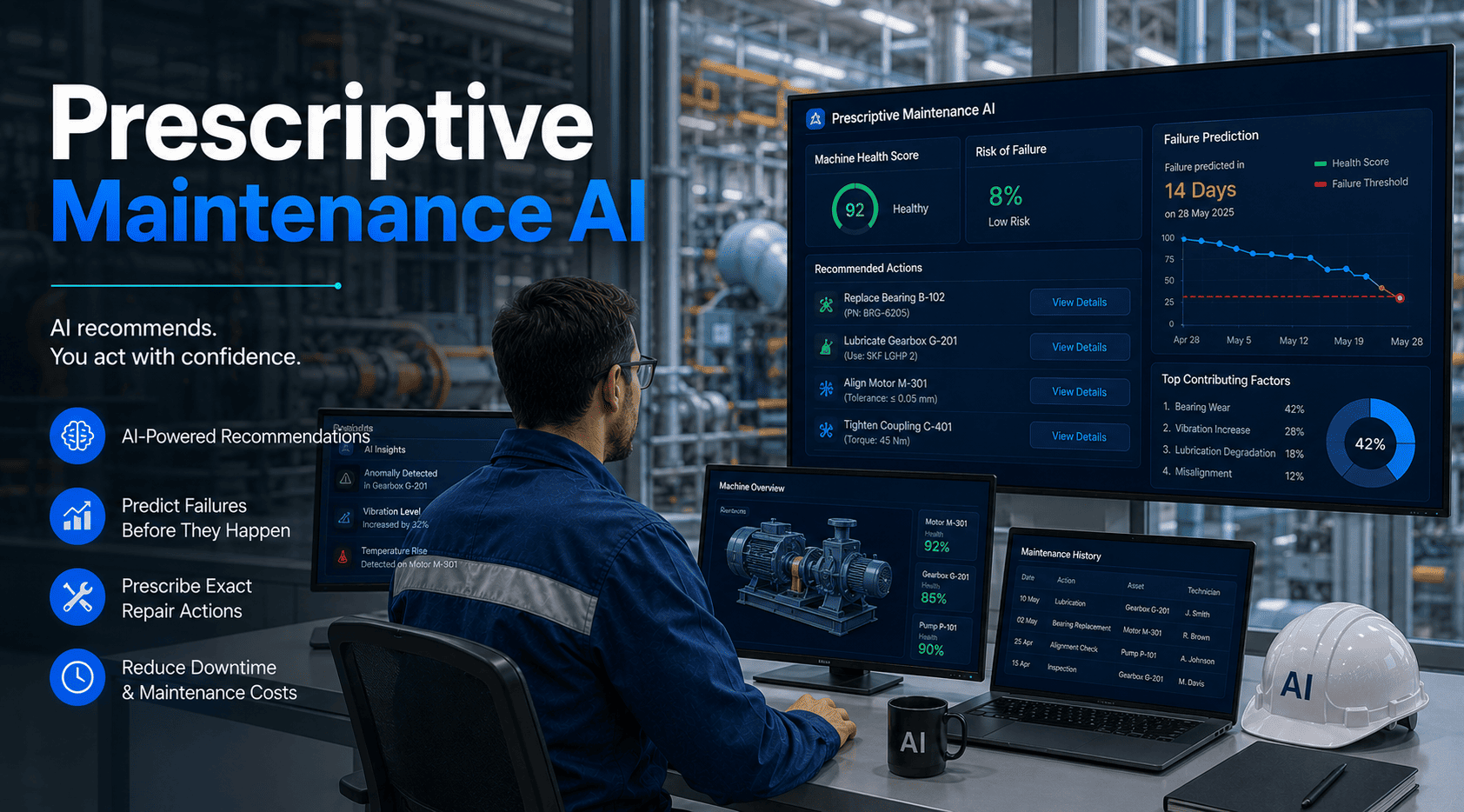
Predictive maintenance tells you a bearing will fail in 14 days. Prescriptive maintenance tells you exactly which bearing, exactly which repair action, which technician should perform it, which parts to order today, and how to sequence the work to minimize downtime cost. That is the gap between knowing a problem is coming and knowing precisely what to do about it — and it is worth an average of 12–18% additional cost reduction on top of predictive alone. For operations teams managing complex multi-site asset portfolios, prescriptive AI is the difference between a warning light and a complete repair prescription. Start a free trial to see how OxMaint's prescriptive engine maps your exact asset structure, or book a demo and we will walk through a live prescription on your own fleet data.
See Your Asset ROI in 30 Minutes
Your Assets Are Sending Repair Instructions. Is Your CMMS Reading Them?
See how much cost you can eliminate from reactive maintenance across your facility portfolio.
- Real-time asset visibility across every site and system
- Prescriptive failure alerts with exact repair actions
- 5–10 year CapEx forecasting with prescriptive AI inputs
Used by operations teams managing 10,000+ assets — live in days, not months
$260B
Lost Annually to Unplanned Downtime
Siemens Industrial Survey, 2023
4.8×
Higher Cost: Emergency vs Planned Repairs
McKinsey Operations Report
35%
Avg Maintenance Cost Reduction with Prescriptive AI
Deloitte Industry Analysis, 2024
78%
Failures Have Detectable Precursor Signatures
ARC Advisory Group Research
What Is Prescriptive Maintenance
From Warning to Work Order: The Prescriptive Difference
Prescriptive maintenance is the third and most advanced tier of maintenance intelligence. Condition-based monitoring detects anomalies. Predictive analytics forecasts when a failure will occur. Prescriptive AI goes further — it analyzes asset health data, failure history, parts inventory, technician availability, operational schedules, and cost parameters simultaneously to recommend the specific corrective action, at the exact right time, executed in the most cost-efficient sequence.
The critical distinction is actionability. Predictive systems generate alerts. Prescriptive systems generate prescriptions — complete work instructions that a technician can execute without additional analysis. For a facility team managing hundreds of assets across multiple sites, that difference eliminates the diagnostic bottleneck that sits between a sensor flag and an actual repair order. Teams that have deployed prescriptive CMMS report 40–60% reductions in mean time to repair (MTTR) and 25–35% reductions in total maintenance spend within the first year — start a free trial to see what that shift looks like in your own asset data, or book a demo and we will show prescriptive recommendations running on a portfolio similar to yours.
Prescriptive AI works at the intersection of machine learning models trained on historical failure patterns, real-time sensor streams, operational context like production schedules and load requirements, and economic optimization variables including parts cost, labor rates, and downtime penalties. The output is not a probability score — it is a ranked, prioritized action plan your team can execute immediately.
Most facilities lose 20–40% of maintenance budget managing failures that prescriptive AI would have converted into planned, low-cost interventions.
Key Concepts
The 8 Pillars of Prescriptive Maintenance Intelligence
01
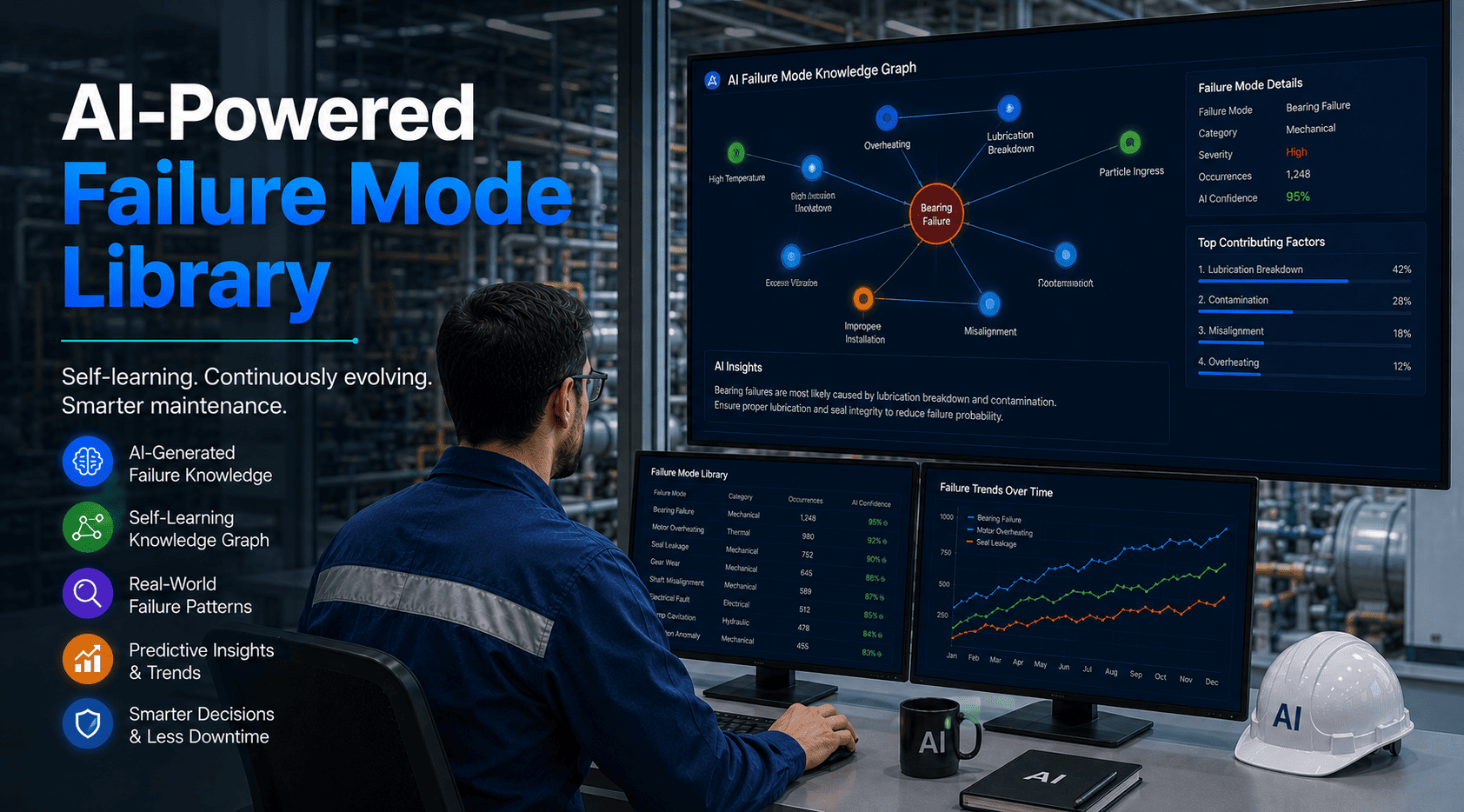
Failure Mode Library
AI maps asset behavior against a library of known failure signatures. Each failure mode carries a pre-built prescription for the most cost-effective corrective action.
02
Multi-Variable Sensor Fusion
Temperature, vibration, pressure, current draw, and performance metrics are analyzed together — not in isolation — to produce composite health scores with prescription triggers.
03
Economic Optimization Engine
Every prescription is cost-ranked. The AI factors in parts cost, labor rates, downtime penalties, and production impact to recommend the repair path with the lowest total cost of intervention.
04
Operational Context Awareness
Prescriptions account for production schedules, shift availability, and contractual uptime commitments — recommending the intervention window that minimizes operational disruption.
05
Parts and MRO Integration
When a prescription is generated, the system automatically checks parts availability, triggers procurement if needed, and ensures all materials arrive before the scheduled intervention window.
06
Adaptive Learning Loop
Every completed work order feeds back into the AI model. Actual repair outcomes continuously refine prescription accuracy — the system gets smarter with every asset interaction.
07
Cascade Failure Prevention
Prescriptive AI identifies when a developing fault in one component will trigger secondary failures in adjacent systems — and includes downstream protection steps in the prescription.
08
CapEx Prescription Modeling
Asset health trajectories feed directly into 5–10 year capital planning models, prescribing replacement timing that optimizes total lifecycle cost at the portfolio level.
Industry Pain Points
Why Predictive Alone Is Not Enough for High-Value Operations
01
Alert Fatigue Kills Response Quality
Predictive systems generate hundreds of probability alerts weekly. Maintenance teams cannot analyze each one for root cause, optimal response, and scheduling impact — critical warnings get triaged incorrectly, and reactive failures still occur. Teams switching to prescriptive AI report 70% fewer false-positive responses and 3× faster mean time to repair.
02
The Diagnostic Bottleneck Eats Lead Time
From anomaly detection to a dispatched work order, the average industrial facility loses 48–72 hours to manual diagnosis, expert consultation, parts checking, and scheduling. Prescriptive AI compresses that window to under 4 hours — converting early warnings into executed repairs before degradation accelerates.
Start a free trial to eliminate the diagnostic bottleneck in your operation.
03
Tribal Knowledge Is a Single Point of Failure
When your most experienced technician knows the exact symptom pattern for a pump cavitation failure, that knowledge is invisible to everyone else — and gone when they retire. Prescriptive AI codifies institutional knowledge into the system, ensuring every technician has access to expert-level repair prescriptions regardless of experience level.
04
Multi-Site Portfolios Outpace Human Coordination
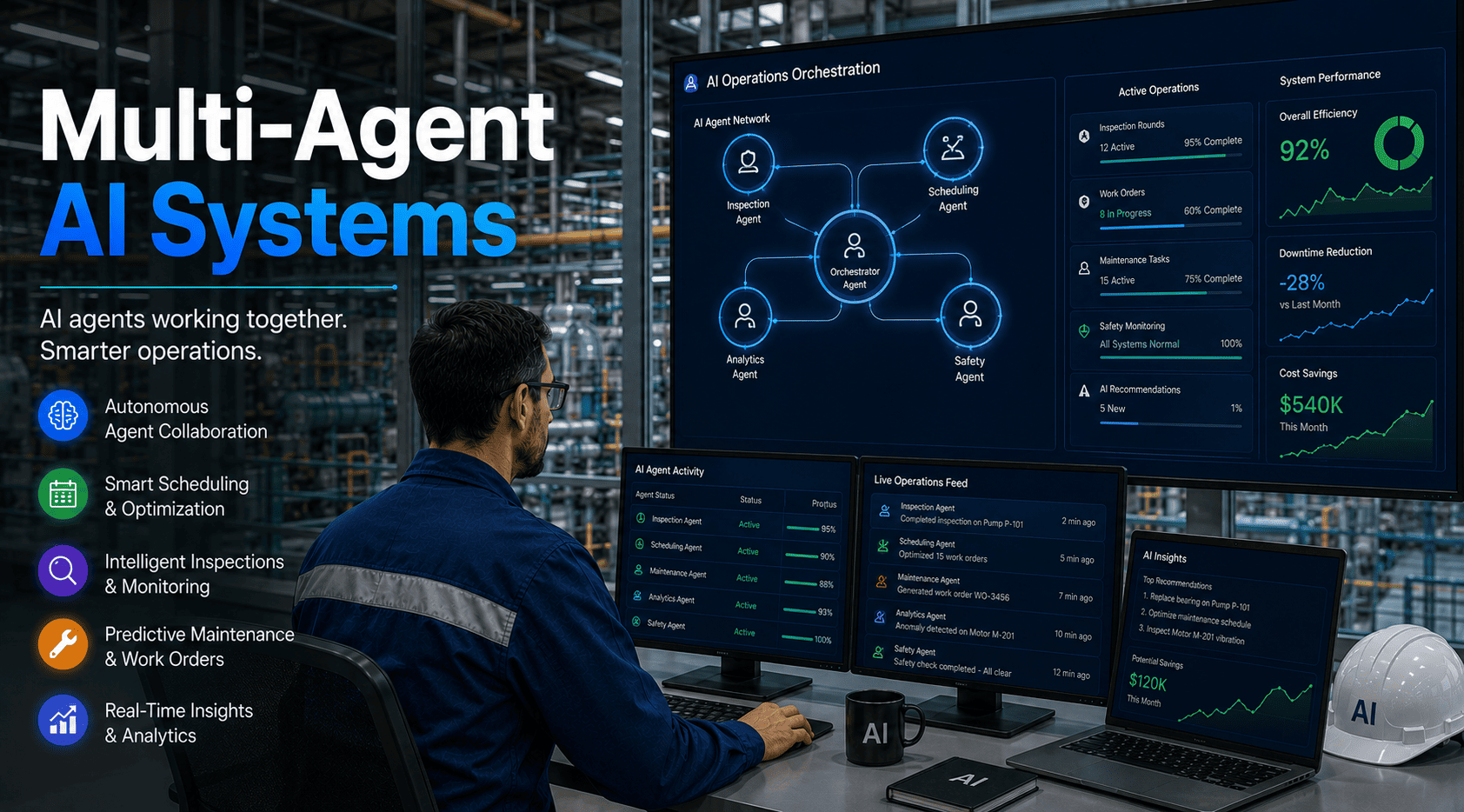
A portfolio manager overseeing 8 facilities and 2,000+ assets cannot track degradation trajectories, parts lead times, and maintenance windows across every site simultaneously. Prescriptive AI manages the complexity automatically — surfacing the highest-priority prescriptions across the portfolio and sequencing interventions for optimal total cost.
05
CapEx Planning Disconnected from Asset Reality
Most capital plans are built on age-based assumptions — not actual condition data. Without prescriptive asset health models, organizations routinely over-invest in assets that are performing well and under-invest in assets approaching critical failure thresholds, creating surprise CapEx spikes that derail annual budgets.
06
Compliance Documentation Consumes Maintenance Hours
OSHA, ISO 55001, and GMP inspection requirements demand detailed maintenance audit trails. Teams spending 3–5 hours weekly on manual documentation are not spending those hours on actual asset care. Prescriptive CMMS auto-generates compliance-ready records with every work order execution — removing the documentation burden entirely.
Operations teams managing assets without prescriptive AI are essentially flying blind — reacting to failures that an AI could have prescribed a fix for weeks earlier.
How OxMaint Solves It
OxMaint Prescriptive AI: From Sensor Signal to Repair Prescription in Hours
Prescriptive Work Order Generation
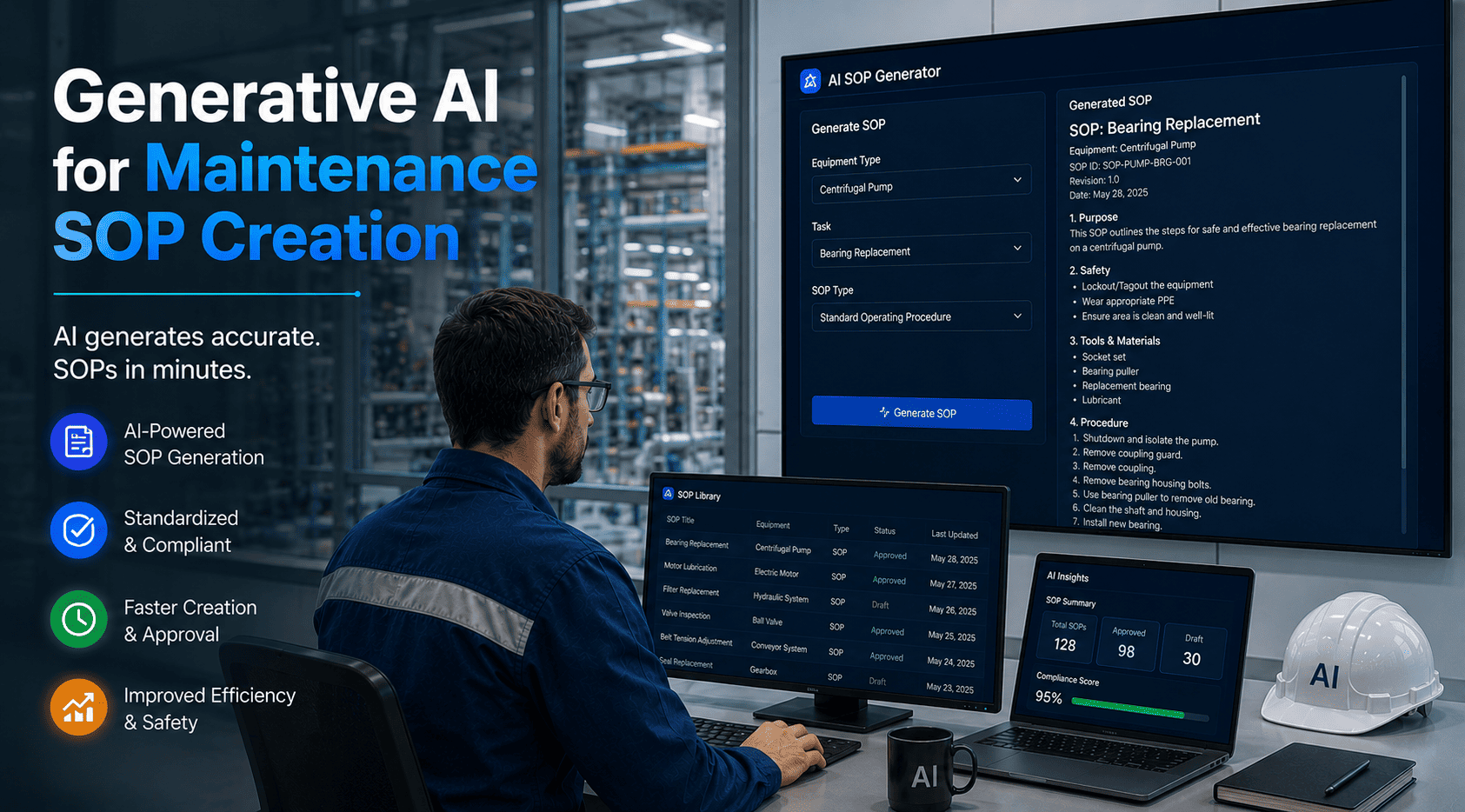
When OxMaint's AI detects a failure trajectory, it auto-generates a complete work order — including task steps, required parts, estimated labor hours, and recommended scheduling window — ready for technician dispatch without manual analysis.
Asset Hierarchy Intelligence
OxMaint maps every asset within a Portfolio to Property to System to Asset to Component hierarchy. Prescriptions account for how a component failure affects parent systems and adjacent assets — preventing cascade failures before they develop.
IoT and SCADA Integration
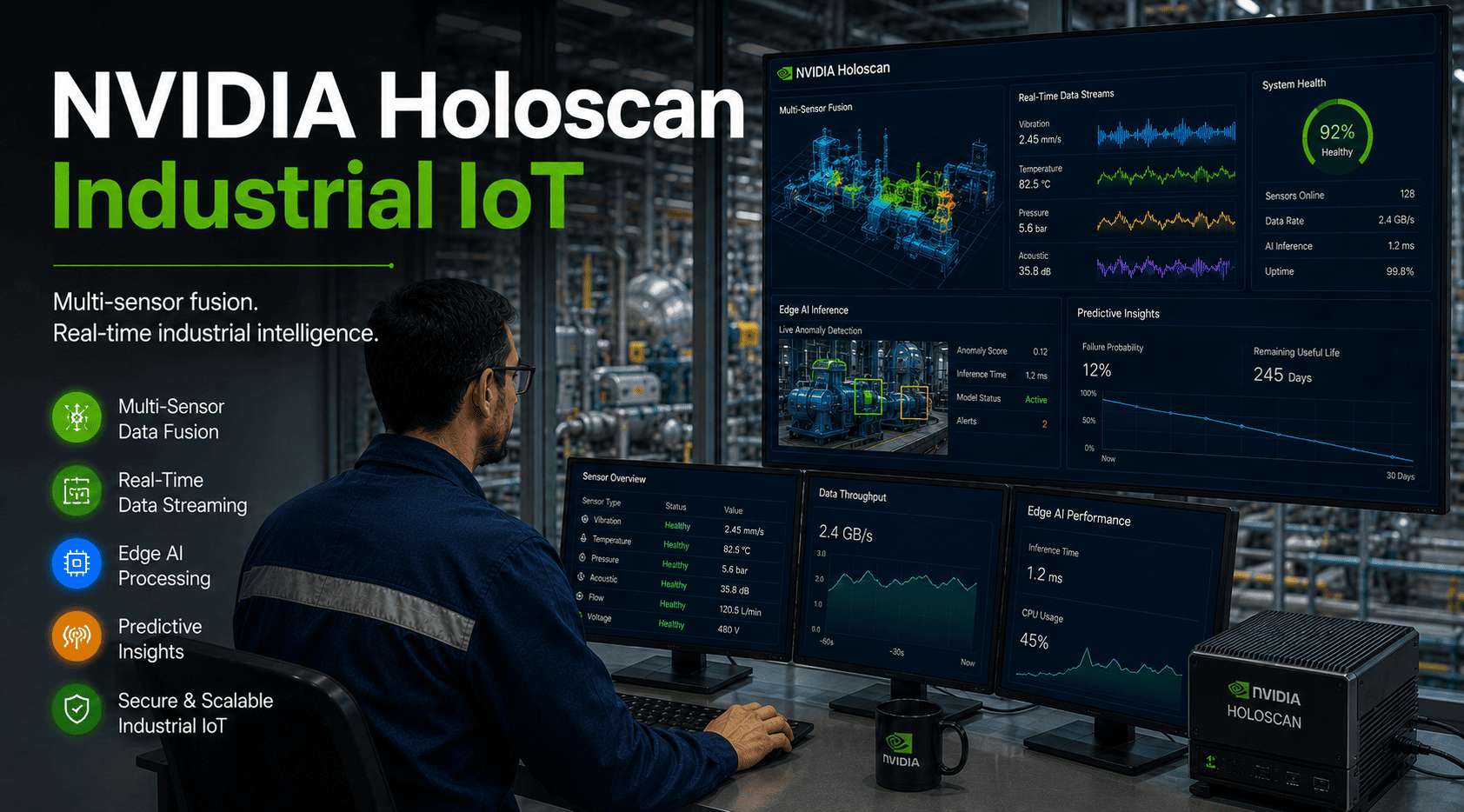
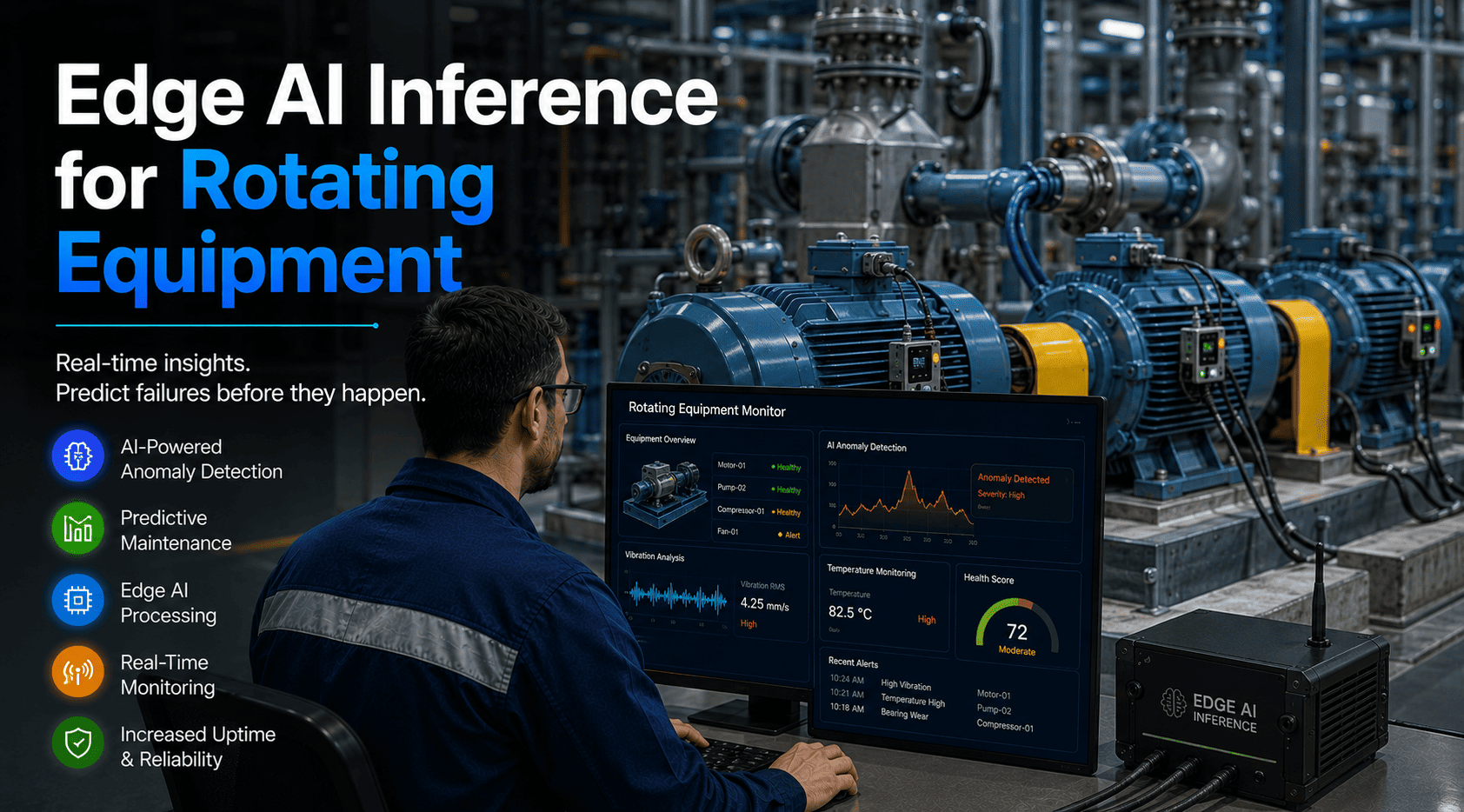
Native integration with industrial sensor networks, SCADA systems, and BMS platforms feeds real-time data into the prescriptive engine continuously. No manual data entry. No lag between sensor signal and prescription generation.
Condition-Based CapEx Prescriptions
Asset health scores and degradation trajectories feed directly into OxMaint's 5–10 year capital planning models. Every CapEx recommendation is backed by actual condition data — not age assumptions — giving investors and boards the evidence they need.
Mobile-First Technician Experience
Prescriptions reach technicians on mobile instantly. Step-by-step repair instructions, parts lists, safety checklists, and photo capture for completion verification — all accessible on any device, on any site.
Portfolio-Level Prescription Prioritization
OxMaint ranks prescriptions across your entire portfolio by economic impact — so your team always addresses the highest-cost-risk items first, regardless of how many sites or assets are under management simultaneously.
OxMaint requires no heavy onboarding or complex implementation. Most teams are receiving live prescriptions within days of connecting their asset data — start a free trial and see your first prescriptions generated on your actual assets, or book a demo to walk through the full prescriptive workflow with one of our maintenance intelligence specialists.
Reactive vs Prescriptive
Before Prescriptive AI vs After: The Operational Reality
| Operational Dimension |
Reactive / Predictive Only |
Prescriptive AI with OxMaint |
| Failure Response |
Emergency dispatch after failure occurs. Parts on backorder. 4.8× cost premium. |
Prescription generated 4–12 weeks ahead. Planned repair at standard cost. |
| Diagnostic Process |
48–72 hours from alert to dispatched technician. Expert analysis required per incident. |
AI generates complete work order within hours of anomaly detection. Zero manual diagnosis. |
| Parts Availability |
Emergency parts ordered at 2.4× premium. Frequent stockouts delay repairs by days. |
Prescription triggers automatic parts check and procurement order weeks before intervention. |
| Technician Deployment |
Unplanned callouts disrupt scheduled work. Overtime costs spike. Morale declines. |
Interventions scheduled during planned maintenance windows. Technician utilization optimized. |
| CapEx Planning |
Age-based replacement schedules. Surprise CapEx spikes. Board presentations without data backing. |
Condition-based 5–10 year models. Investor-grade CapEx reports with asset health evidence. |
| Compliance Posture |
Manual documentation. Incomplete audit trails. Risk of failed inspections and regulatory penalties. |
Auto-generated compliance records with every work order. Inspection-ready at all times. |
| Multi-Site Visibility |
Siloed data per site. Portfolio-level decisions made without asset condition context. |
Unified portfolio dashboard. Prescriptions ranked by economic impact across all sites. |
ROI and Results
What Prescriptive AI Delivers: Measured Outcomes
35%
Maintenance Cost Reduction
Average first-year reduction in total maintenance spend reported by prescriptive AI adopters
60%
MTTR Improvement
Reduction in mean time to repair when prescriptions replace manual diagnosis workflows
10–20×
ROI on First Prevention
One prevented major failure typically covers the full annual platform cost — the rest is compounding benefit
45%
Emergency Parts Cost Reduction
Advance prescription enables planned procurement, eliminating 2.4× emergency parts premiums on most interventions
The financial case for prescriptive AI is straightforward: one prevented failure at $200K–$2M cost typically delivers 10–20× the annual platform investment. Every additional prevention compounds from there — which is why teams deploying prescriptive CMMS see ROI within the first quarter of operation. Start a free trial to see your potential savings modeled against your actual asset portfolio, or book a demo and we will run the numbers on your specific operational context.
Frequently Asked Questions
Prescriptive Maintenance: Technical and Operational Questions
How is prescriptive maintenance different from predictive maintenance in practice?
Predictive maintenance tells you that pump bearing 7B has an 85% probability of failure within 21 days. Prescriptive maintenance tells you that bearing 7B requires SKF 6308 bearing replacement, which takes 2.4 hours, should be scheduled during the Saturday shift changeover window to minimize production impact, requires parts to be ordered today from Supplier X at standard cost before next-day urgency pricing applies, and should be performed by a technician with hydraulic pump certification. The prescription is actionable without additional analysis. Predictive requires your team to perform that analysis manually — and that is where lead time, cost, and quality are lost.
What data does OxMaint need to generate prescriptions for existing assets?
OxMaint builds prescriptive capability from multiple data layers. Real-time sensor data (via IoT, SCADA, or BMS integration) provides the health signal. Historical work order data provides the failure pattern library. OEM specs and maintenance documentation provide the prescription templates. Asset hierarchy mapping provides the operational context. Most facilities have all of this data already — it is simply not connected. OxMaint unifies these sources within days, not months, and begins generating prescriptions as soon as sufficient historical patterns are established. For new assets with limited history, OxMaint's industry-trained baseline models provide prescription capability immediately.
Can prescriptive AI work across a multi-site portfolio with different asset types?
This is precisely where OxMaint's architecture delivers the most value. The Portfolio to Property to System to Asset to Component hierarchy is built for multi-site complexity. A portfolio manager sees prescriptions ranked by economic impact across all sites simultaneously — not siloed facility reports that must be manually aggregated. Prescriptive models are asset-class-specific: HVAC prescription logic differs from electrical distribution differs from production equipment. OxMaint maintains separate trained models for each asset class while presenting unified portfolio-level prioritization to the operations leadership team.
How long does it take to see prescriptions after deploying OxMaint?
Most teams receive their first AI-generated prescriptions within 5–10 days of connecting asset data. Initial prescriptions draw on industry-trained baseline models calibrated to your asset classes and operating conditions. As OxMaint processes your historical work order data and live sensor streams, prescription accuracy increases continuously — typically reaching full site-specific precision within 60–90 days. Unlike ERP or EAM implementations that require 6–18 months before delivering value, OxMaint is designed for operational deployment speed. Teams commonly identify high-priority intervention opportunities in the first week that generate ROI before the first billing cycle.
Stop Losing Millions to Reactive Maintenance
Turn Every Asset Into a Predictable, Trackable System with OxMaint
Turn every asset into a predictable, trackable system with OxMaint prescriptive AI — and eliminate the gap between knowing a failure is coming and knowing exactly what to do about it.
- Real-time asset visibility across every site and system
- Prescriptive failure alerts with exact repair actions and parts lists
- 5–10 year CapEx forecasting backed by actual condition data
No heavy implementation required — works across multi-site portfolios — live in days, not months