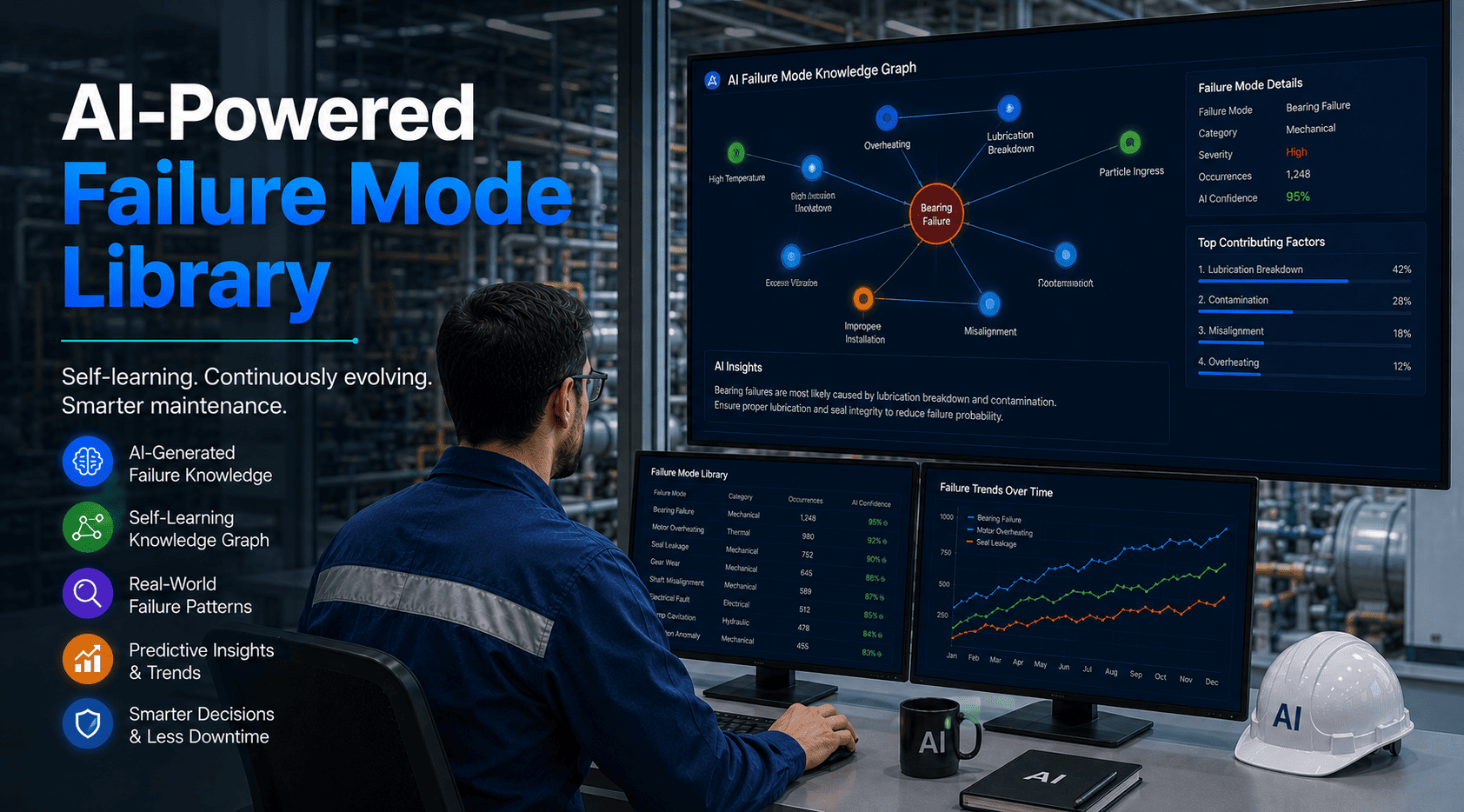
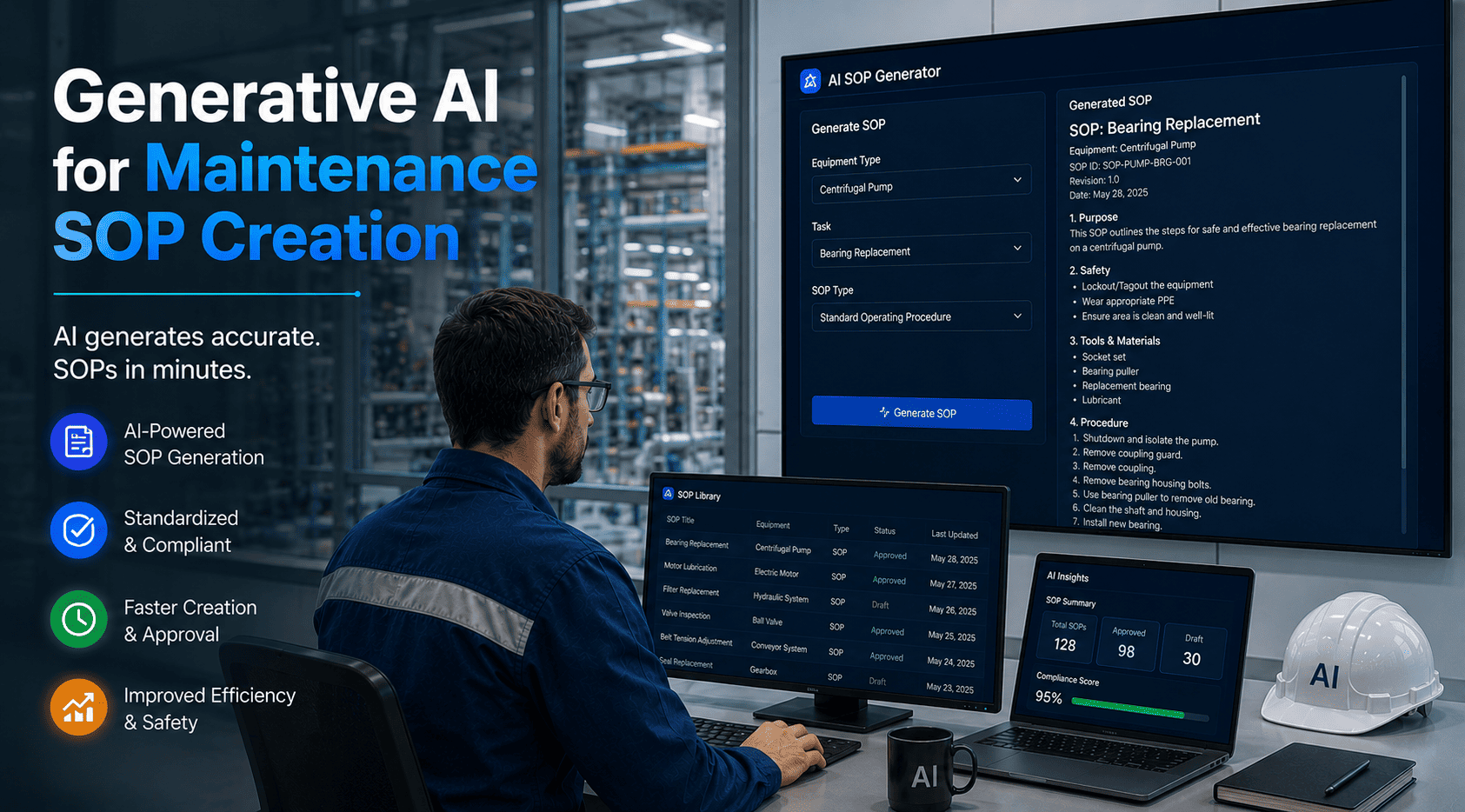
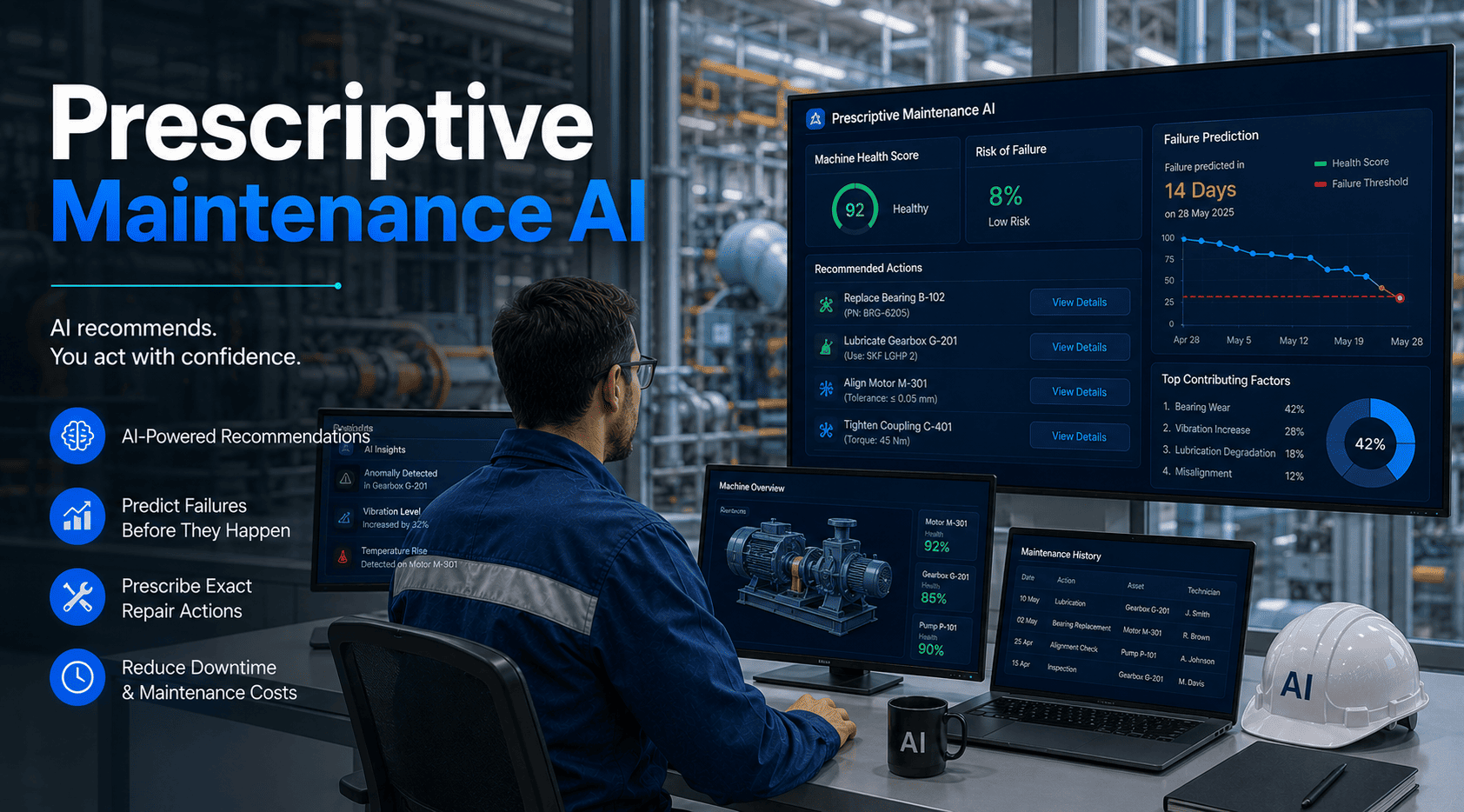
The oil and gas sector operates under relentless pressure: upstream drilling rigs facing harsh offshore conditions, midstream pipelines spanning thousands of kilometers requiring constant integrity monitoring, and downstream refineries running complex processing units where a single equipment failure can halt production worth millions per day. For asset managers, maintenance supervisors, and operations directors managing these capital-intensive assets across the energy value chain, the gap between reactive maintenance and predictive reliability isn't just operational inefficiency — it's the difference between meeting production targets and facing regulatory shutdowns, safety incidents, or catastrophic equipment failures. Modern CMMS platforms purpose-built for oil and gas operations transform this challenge by unifying maintenance execution, compliance documentation, and asset lifecycle management across upstream wells, midstream infrastructure, and downstream processing facilities into a single operational command center.
Manage Every Critical Asset from Wellhead to Refinery in One Platform
OxMaint delivers oil and gas-specific CMMS capabilities: API compliance tracking, rotating equipment monitoring, pipeline integrity management, and safety-critical maintenance workflows designed for upstream, midstream, and downstream operations.
The Oil & Gas Maintenance Crisis: Why Generic CMMS Systems Fail in Energy Operations
Oil and gas facilities represent some of the most complex and unforgiving operational environments in industrial manufacturing. Offshore platforms operate in corrosive saltwater conditions with zero tolerance for downtime during drilling campaigns. Pipeline networks cross remote terrain where inspection access requires helicopter deployment and regulatory compliance demands continuous integrity verification. Refineries run 24-7-365 production schedules where process unit turnarounds are planned 18 to 36 months in advance and executed with military precision. Generic CMMS platforms designed for light manufacturing or commercial facilities lack the specialized workflows, compliance frameworks, and risk-based maintenance logic that oil and gas operations demand. Start your free trial with OxMaint and experience CMMS built specifically for energy sector asset complexity and regulatory requirements.
The consequences of maintenance system inadequacy in oil and gas are measured in safety incidents, environmental releases, regulatory fines, and lost production. A failed rotating equipment seal on an offshore platform doesn't just create a maintenance backlog — it triggers hydrocarbon release protocols, emergency shutdown procedures, and potential platform evacuation. A missed pipeline corrosion inspection doesn't simply defer maintenance — it creates liability exposure under Pipeline and Hazardous Materials Safety Administration regulations and increases third-party damage risk. Downstream refineries operating under EPA consent decrees face daily penalties for maintenance documentation failures. Energy companies need CMMS platforms that understand these operational realities and embed industry-specific compliance, safety, and risk management into every maintenance workflow.
73%
Of unplanned oil and gas production shutdowns traced to inadequate preventive maintenance programs and deferred asset inspections
$2.8M
Average cost per day of unplanned refinery downtime when factoring lost production, emergency repairs, and restart procedures
89%
Of oil and gas maintenance managers report their current CMMS lacks industry-specific workflows for API standards and safety-critical equipment
4.2x
Higher maintenance costs in reactive oil and gas operations versus facilities using predictive condition-based maintenance strategies
Understanding the Oil & Gas Value Chain: Upstream, Midstream, and Downstream Asset Challenges
The oil and gas industry operates across three distinct segments, each presenting unique asset management and maintenance challenges that demand specialized CMMS capabilities. Maintenance strategies effective in upstream exploration and production facilities often fail completely when applied to midstream transportation infrastructure or downstream refining operations. Understanding these segment-specific requirements is essential for selecting and deploying CMMS technology that delivers operational value across the entire energy value chain. Book a demo to see how OxMaint adapts to upstream drilling operations, midstream pipeline networks, and downstream processing facilities in a single platform.
Asset Focus
Drilling rigs, wellhead equipment, production separators, artificial lift systems, offshore platforms, subsea infrastructure, and remote well sites across dispersed geographic territories.
Maintenance Challenges
Equipment operates in extreme environments with limited technician access. Offshore platforms require helicopter logistics for parts and personnel. Well intervention windows are constrained by production economics and drilling campaign schedules.
CMMS Requirements
Mobile-first work order execution for field technicians without reliable connectivity. Critical spares inventory management with supplier lead time tracking. API 6A and API 16A compliance for wellhead and BOP equipment. Offshore POB tracking and permit-to-work integration.
Asset Focus
Crude oil and natural gas pipelines, compressor stations, pump stations, storage terminals, metering facilities, and pipeline integrity monitoring systems across thousands of kilometers.
Maintenance Challenges
Assets span remote corridors requiring aerial inspection and right-of-way access coordination. Inline inspection tools generate massive datasets requiring analysis and repair prioritization. Third-party damage prevention and public safety compliance under PHMSA regulations.
CMMS Requirements
Pipeline segment tracking with GIS integration for spatial asset management. Inline inspection data management and anomaly remediation workflows. Cathodic protection monitoring and corrosion control programs. DOT Part 192 and Part 195 compliance documentation with audit trails.
Asset Focus
Process units including crude distillation, catalytic cracking, reforming, hydrotreating, fired heaters, heat exchangers, rotating equipment, pressure vessels, and utilities infrastructure in integrated refinery complexes.
Maintenance Challenges
Turnaround planning cycles of 4 to 6 years with coordination of thousands of maintenance tasks, contractor mobilization, and critical path scheduling. Process safety management compliance under OSHA PSM and EPA RMP regulations. Mechanical integrity programs for pressure relief devices and safety instrumented systems.
CMMS Requirements
Turnaround management with multi-year planning, contractor coordination, and material staging. Pressure vessel inspection tracking per API 510, 570, and 653 standards. Relief device certification management. Rotating equipment vibration trending and predictive maintenance integration. Process hazard analysis linkage to maintenance procedures.
Critical Oil & Gas Asset Categories Requiring Specialized CMMS Management
Oil and gas operations depend on six critical asset categories that drive production continuity, operational safety, and regulatory compliance. Each category presents distinct failure modes, maintenance strategies, and documentation requirements that generic CMMS platforms fail to address. Energy companies achieving world-class asset reliability build their maintenance programs around these equipment-specific workflows rather than forcing oil and gas assets into one-size-fits-all maintenance templates. Sign up free to access oil and gas asset templates pre-configured with industry maintenance best practices and API compliance tracking.
ROTATING
Rotating Equipment & Drivers
Centrifugal and reciprocating compressors with vibration monitoring and lube oil analysis programs
Pumps including multistage centrifugal, API 610 process pumps, and screw pump artificial lift systems
Gas and steam turbines with hot gas path inspection cycles and combustion system maintenance
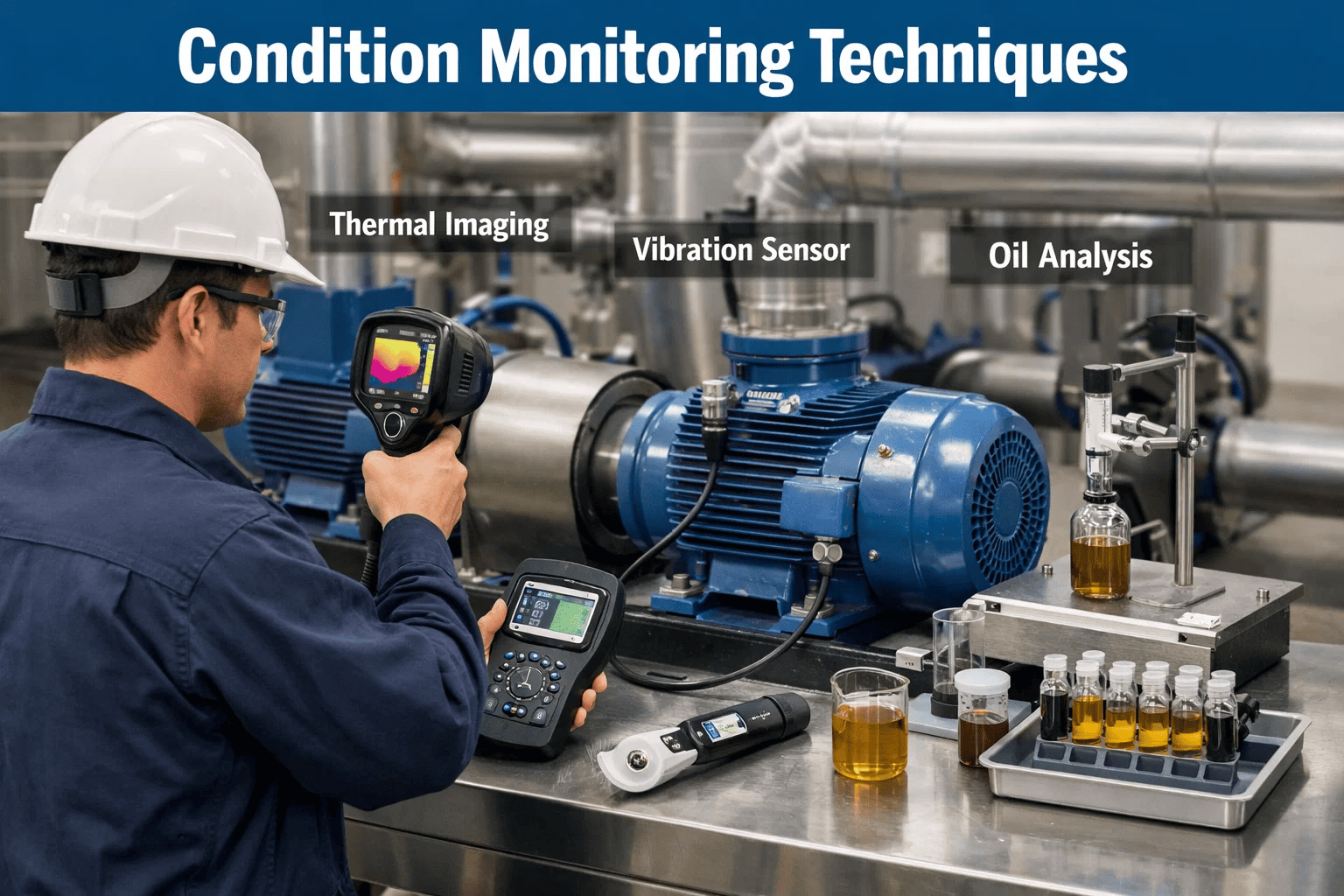
Motors and gearboxes requiring bearing analysis, alignment verification, and thermal imaging surveys
STATIC
Pressure Vessels & Heat Exchangers
Pressure vessels under API 510 inspection programs with thickness monitoring and corrosion tracking
Shell and tube heat exchangers requiring tube bundle inspection and fouling factor trending
Fired heaters and furnaces with refractory inspection cycles and burner management system testing
Storage tanks under API 653 programs with foundation settlement monitoring and cathodic protection
PIPING
Process Piping & Pipeline Systems
Process piping circuits under API 570 inspection with risk-based inspection interval determination
Transmission pipelines with inline inspection scheduling and anomaly remediation tracking
Gathering systems and flow lines requiring corrosion inhibitor effectiveness monitoring
Subsea pipelines and risers with ROV inspection programs and integrity management plans
SAFETY
Safety-Critical & Relief Systems
Pressure relief valves requiring API 576 inspection and set pressure verification on certified test benches
Emergency shutdown systems with proof testing per IEC 61511 safety integrity level requirements
Fire and gas detection systems requiring functional testing and calibration verification programs
Blowout preventers on drilling rigs with API 53 maintenance cycles and pressure testing protocols
ELECTRICAL
Electrical Distribution & Control Systems
Switchgear and transformers with thermography surveys and partial discharge testing programs
Motor control centers requiring contact resistance measurement and insulation testing cycles
Uninterruptible power systems with battery load testing and runtime verification protocols
Variable frequency drives with harmonic analysis and cooling system maintenance scheduling
CONTROLS
Instrumentation & Process Control
Distributed control systems with loop testing, controller tuning, and backup verification procedures
Field instruments including transmitters requiring calibration cycles and drift analysis trending
Analyzers and chromatographs with sample system maintenance and reference gas verification
Safety instrumented systems with proof test procedures and partial stroke testing of final elements
Regulatory Compliance Framework: API, OSHA, EPA, and PHMSA Requirements in Oil & Gas CMMS
Oil and gas facilities operate under the most stringent regulatory compliance framework of any industrial sector. Federal OSHA Process Safety Management regulations mandate mechanical integrity programs with documented inspection and testing frequencies. EPA Risk Management Programs require worst-case scenario planning and emergency response procedures. Pipeline operators face Pipeline and Hazardous Materials Safety Administration integrity management regulations with civil penalty exposure exceeding one million dollars per violation per day. Offshore operators must satisfy Bureau of Safety and Environmental Enforcement requirements for safety and environmental management systems. A CMMS platform serving oil and gas operations must embed these compliance frameworks into maintenance workflows rather than treating regulatory documentation as an afterthought. Book a demo to see compliance-ready maintenance templates for API standards, OSHA PSM, and pipeline integrity management built into OxMaint.
API STANDARDS
American Petroleum Institute Equipment Inspection Standards
API 510
Pressure Vessel Inspection Code
Maximum inspection interval 10 years with risk-based assessment. Thickness measurements at designated monitoring locations. Documentation of repairs and alterations with authorized inspector signoff.
API 570
Piping Inspection Code
Inspection intervals based on corrosion rate and remaining life calculations. Piping circuit classification with consequence and probability of failure assessment. Pressure test requirements for repaired circuits.
API 653
Tank Inspection, Repair, Alteration, and Reconstruction
External inspection every 5 years. Internal inspection maximum 20-year interval with corrosion rate assessment. Foundation settlement monitoring and shell thickness verification.
API 576
Inspection of Pressure-Relieving Devices
Inspection intervals not to exceed 5 years or 10 years with approved condition monitoring. Set pressure verification on calibrated test bench. Seat tightness testing and documentation of repairs.
OSHA / EPA
Process Safety Management and Environmental Compliance
OSHA PSM
Process Safety Management of Highly Hazardous Chemicals
Mechanical integrity program for pressure vessels, piping, relief devices, emergency shutdown systems, and controls. Written procedures for inspection and testing. Training documentation for maintenance personnel. Management of change procedures for equipment modifications.
EPA RMP
Risk Management Program
Prevention program with safety precautions and maintenance procedures. Emergency response program with notification procedures. Five-year accident history reporting. Hazard assessment with offsite consequence analysis.
PHMSA
Pipeline Integrity Management Regulations
49 CFR 192
Gas Pipeline Integrity Management in High Consequence Areas
Baseline assessment with inline inspection or pressure test. Continual reassessment intervals not exceeding 7 years. Immediate repair conditions requiring 60-day or 180-day remediation. Performance metrics tracking with annual reporting.
49 CFR 195
Hazardous Liquid Pipeline Integrity Management
Risk assessment identifying high consequence areas. Integrity assessment plan with baseline and reassessment schedules. Anomaly evaluation and remediation with immediate, 60-day, and 180-day categories. Leak detection system testing and calibration requirements.
How Oil & Gas CMMS Delivers Operational Excellence: From Reactive Failures to Predictive Reliability
The transformation from reactive maintenance culture to predictive reliability programs in oil and gas operations requires more than technology deployment — it demands fundamental changes in how maintenance work is planned, scheduled, and executed across upstream, midstream, and downstream assets. OxMaint enables this transformation by providing oil and gas maintenance teams with the workflows, data integration, and analytics capabilities that shift organizational focus from firefighting equipment failures to preventing them through condition-based intervention strategies. Start your free trial and implement predictive maintenance workflows designed specifically for oil and gas rotating equipment, pressure vessels, and safety-critical systems.
Operational Dimension
Reactive Maintenance Approach
Predictive CMMS-Enabled Reliability
Maintenance Planning
Work orders generated after equipment failure. Emergency work disrupts planned schedules. Parts expedited at premium cost with extended downtime waiting for delivery.
Condition monitoring triggers work orders before failure. Maintenance windows planned during low-demand periods. Critical spares inventory optimized with supplier lead time tracking and automatic reorder points.
Asset Performance Data
Failure history recorded in spreadsheets or logbooks with no trending capability. Root cause analysis performed inconsistently. Lessons learned not systematically captured or shared.
Vibration, temperature, and oil analysis data integrated into asset records with automated trending. Failure mode and effects analysis linked to PM tasks. Knowledge management system captures tribal knowledge in searchable procedures.
Compliance Documentation
Inspection records in paper binders or disconnected databases. Audit preparation requires weeks of document gathering. Missing or incomplete records discovered during regulatory inspections.
Digital inspection checklists with photo documentation and automatic compliance reporting. Audit-ready reports generated on demand showing complete inspection history. Automated alerts for approaching certification deadlines.
Turnaround Management
Scope definition based on last turnaround with limited condition data. Material procurement rushed in final planning stages. Scope creep extends outage duration and budget overruns common.
Multi-year turnaround planning with condition assessment driving scope. Bill of materials generated from equipment records with long-lead procurement scheduled 12 to 18 months ahead. Critical path scheduling with real-time progress tracking during execution.
Workforce Utilization
Maintenance crews spending 60 to 70 percent of time on reactive failures. Overtime costs elevated due to emergency callouts. Preventive maintenance deferred when reactive work overloads schedules.
Planned and scheduled work represents 80 to 85 percent of maintenance labor hours. Predictable workload enables workforce planning and training. Contractor mobilization coordinated weeks in advance rather than emergency callouts.
Production Impact
Unplanned shutdowns averaging 3 to 5 percent of annual production capacity. Equipment failures causing process upsets and off-specification product. Safety incidents elevated due to maintenance under emergency conditions.
Unplanned downtime reduced to under 1 percent of production time. Maintenance windows coordinated with operations to minimize production impact. Safety performance improved through proper job planning and hazard analysis integration.
Essential CMMS Capabilities for Oil & Gas Maintenance Excellence
Selecting a CMMS platform for oil and gas operations requires evaluation against industry-specific capabilities that generic maintenance software cannot deliver. The eight essential capabilities below separate purpose-built oil and gas CMMS platforms from enterprise asset management systems designed for light manufacturing or commercial facilities. Energy companies achieving top-quartile asset reliability deploy CMMS platforms that deliver these capabilities out of the box rather than attempting to customize generic software through expensive implementation projects. Book a demo to evaluate how OxMaint delivers each of these oil and gas-critical CMMS capabilities in a single integrated platform.
01
Equipment Hierarchy for Multi-Level Oil & Gas Assets
Support for complex asset hierarchies from field or facility level down through process units, systems, equipment, and component levels. Enables rolling up KPIs from individual compressor stages to entire gas plant performance while maintaining granular maintenance records at seal and bearing level.
02
API Standard Compliance Templates and Workflows
Pre-configured inspection templates for API 510, 570, 653, and 576 programs with calculation engines for remaining life, corrosion rates, and next inspection due dates. Automated workflow routing to authorized inspectors for signoff and certification tracking with expiration alerts.
03
Mobile Offline Work Order Execution for Remote Sites
Mobile applications for iOS and Android with full offline capability for field technicians working on remote well sites, pipeline corridors, or offshore platforms without reliable connectivity. Data synchronization when returning to network coverage with conflict resolution and timestamp preservation.
04
Condition Monitoring Data Integration and Trending
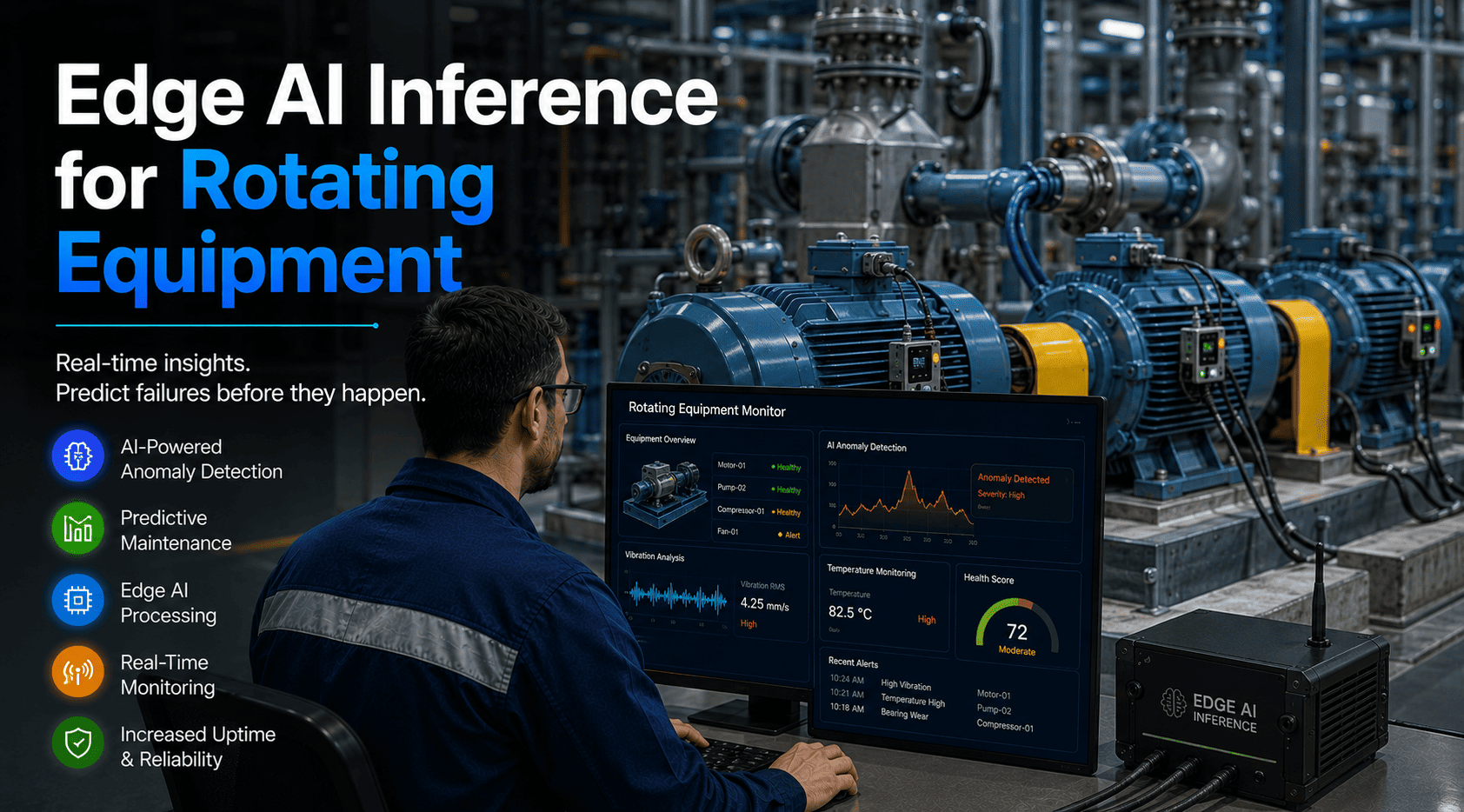
Native integration with vibration monitoring systems, oil analysis laboratories, thermography programs, and ultrasonic thickness gauging equipment. Automated work order generation when condition indicators exceed alarm thresholds with trend charts attached to work orders for technician reference.
05
Permit-to-Work and Safety Procedure Integration
Permit-to-work system integration ensuring maintenance activities on hydrocarbon systems, confined spaces, or energized electrical equipment cannot proceed without proper isolation verification, gas testing, and hazard assessment completion. Digital permit approval workflow with supervisor signoff requirements.
06
Critical Spares and MRO Inventory Management
Inventory management with min-max reorder points, supplier lead time tracking, and equipment criticality-based stocking strategies. Integration with procurement systems for purchase requisition generation when stock falls below reorder point. Shelf life tracking for elastomeric seals and time-sensitive consumables.
07
Turnaround Planning and Execution Management
Multi-year turnaround planning capability with scope development, contractor coordination, material procurement tracking, and critical path scheduling. Daily progress tracking during turnaround execution with variance analysis against planned schedule and budget. Closeout documentation package generation with as-built drawings and inspection records.
08
Regulatory Compliance Reporting and Audit Trails
Compliance dashboard showing inspection status, overdue items, and approaching deadlines for regulatory programs. One-click audit report generation showing complete inspection and testing history for pressure vessels, piping, relief devices, and safety systems. Immutable audit trail showing who performed work, when it was completed, and supervisor approval timestamps.
Measuring Oil & Gas CMMS Success: Performance Metrics That Matter
Oil and gas maintenance organizations implementing CMMS technology must establish baseline metrics before deployment and track performance improvement over time to demonstrate return on investment to operations leadership and financial stakeholders. The six KPIs below represent the primary indicators of CMMS program maturity in energy sector operations and correlate directly with production reliability, safety performance, and maintenance cost efficiency. Get started free and access real-time oil and gas maintenance KPI dashboards showing wrench time, schedule compliance, and equipment reliability metrics.
KPI 01
Planned Maintenance Percentage
Target: 85% or Higher
Percentage of total maintenance labor hours spent on planned and scheduled work versus reactive emergency repairs. Leading indicator of maintenance program maturity and predictor of production reliability performance.
KPI 02
Schedule Compliance Rate
Target: 90% or Higher
Percentage of scheduled preventive maintenance tasks completed within the planned week. Low compliance indicates inadequate planning resources, unrealistic schedules, or reactive work crowding out preventive activities.
KPI 03
Mean Time Between Failures (MTBF)
Trend: Increasing Over Time
Average operating time between failures for critical rotating equipment including compressors, pumps, and turbines. MTBF improvement demonstrates effectiveness of condition monitoring and predictive maintenance strategies.
KPI 04
Maintenance Cost as Percentage of Replacement Asset Value
Benchmark: 2% to 4% Annually
Annual maintenance expenditure normalized by asset replacement value. Costs below 2 percent may indicate deferred maintenance accumulation while costs above 5 percent suggest reactive culture or aging asset base requiring replacement evaluation.
KPI 05
Wrench Time Efficiency
Target: 55% or Higher
Percentage of technician shift time spent with tools in hands performing actual maintenance work versus time spent traveling, waiting for parts, searching for information, or other non-productive activities. Low wrench time indicates planning and coordination inefficiencies.
KPI 06
Overdue Compliance Items Count
Target: Zero Overdue Critical Items
Number of regulatory inspection or testing requirements past due date broken down by criticality level. Non-zero counts on safety-critical equipment represent both regulatory violation risk and immediate safety hazard exposure requiring escalation to operations leadership.
Deploy Oil & Gas CMMS Built for Upstream, Midstream, and Downstream Excellence
OxMaint delivers API compliance tracking, rotating equipment monitoring, pipeline integrity management, and turnaround planning in a single platform designed for energy sector asset complexity. See how leading oil and gas operators achieve 85 percent planned maintenance and reduce unplanned downtime by 60 percent.
Common Questions About CMMS Implementation in Oil & Gas Operations
Q
How long does oil and gas CMMS implementation typically require from selection to full deployment?
Implementation timelines for oil and gas CMMS vary based on facility complexity, asset count, and organizational readiness. A focused deployment for a single production facility or pipeline segment with 2000 to 5000 assets typically requires 3 to 6 months from software selection through training completion and go-live. Multi-site implementations across upstream fields, midstream networks, or downstream refinery complexes often follow phased rollout strategies over 12 to 18 months. Critical path activities include asset data migration from legacy systems, preventive maintenance template configuration, integration with condition monitoring systems, and technician mobile application training. Organizations achieving faster implementation success focus on minimum viable configuration rather than attempting to recreate every legacy process in the new system.
Q
Can oil and gas CMMS integrate with existing SCADA, DCS, and condition monitoring systems?
Modern oil and gas CMMS platforms support integration with operational technology systems through multiple pathways. OPC-UA connectivity enables direct integration with distributed control systems and SCADA platforms for real-time process data acquisition. REST APIs facilitate integration with vibration monitoring systems, oil analysis laboratory information management systems, and corrosion monitoring platforms. Many CMMS platforms also support file-based integration through scheduled import of condition monitoring data exports in CSV or XML formats. The critical architectural decision is determining which condition monitoring data should trigger automated work orders versus simply trending in the CMMS for periodic review. High-maturity organizations configure automated work order generation for critical equipment when vibration velocity exceeds alarm thresholds or oil analysis iron content indicates bearing wear acceleration.
Q
What level of mobile capability is essential for oil and gas field maintenance operations?
Mobile CMMS capability for oil and gas operations must include full offline functionality with local data storage on the mobile device. Upstream field technicians working on remote well sites and midstream pipeline crews operating in areas without cellular coverage require the ability to view work orders, complete inspection checklists, capture photos, and record labor hours without network connectivity. The mobile application must synchronize data when connectivity is restored without requiring manual intervention or risking data loss. Additional critical mobile capabilities include barcode scanning for equipment identification, digital signature capture for inspection signoff, and GPS location stamping to verify technicians reached the correct well site or pipeline valve location. Organizations operating offshore platforms or in international locations should verify the CMMS mobile application supports the specific devices and operating system versions deployed in the field.
Q
How does oil and gas CMMS support turnaround planning and execution management?
Turnaround management in oil and gas CMMS platforms supports multi-year planning cycles from initial scope development through post-turnaround closeout. During the planning phase, maintenance planners build turnaround scope by promoting equipment from routine inspection findings, condition monitoring alerts, and regulatory compliance requirements into the turnaround project. Material requirements planning generates consolidated bill of materials from individual work packages with supplier lead time tracking to ensure long-lead items are procured 12 to 18 months before the turnaround execution window. During turnaround execution, real-time progress tracking shows work package completion status, critical path delays, and variance against planned duration and budget. Mobile capability enables offshore crews to update work package status in real-time from scaffold locations. Post-turnaround closeout packages include as-built documentation, inspection records, and material consumption reports required for regulatory compliance and next-cycle planning.