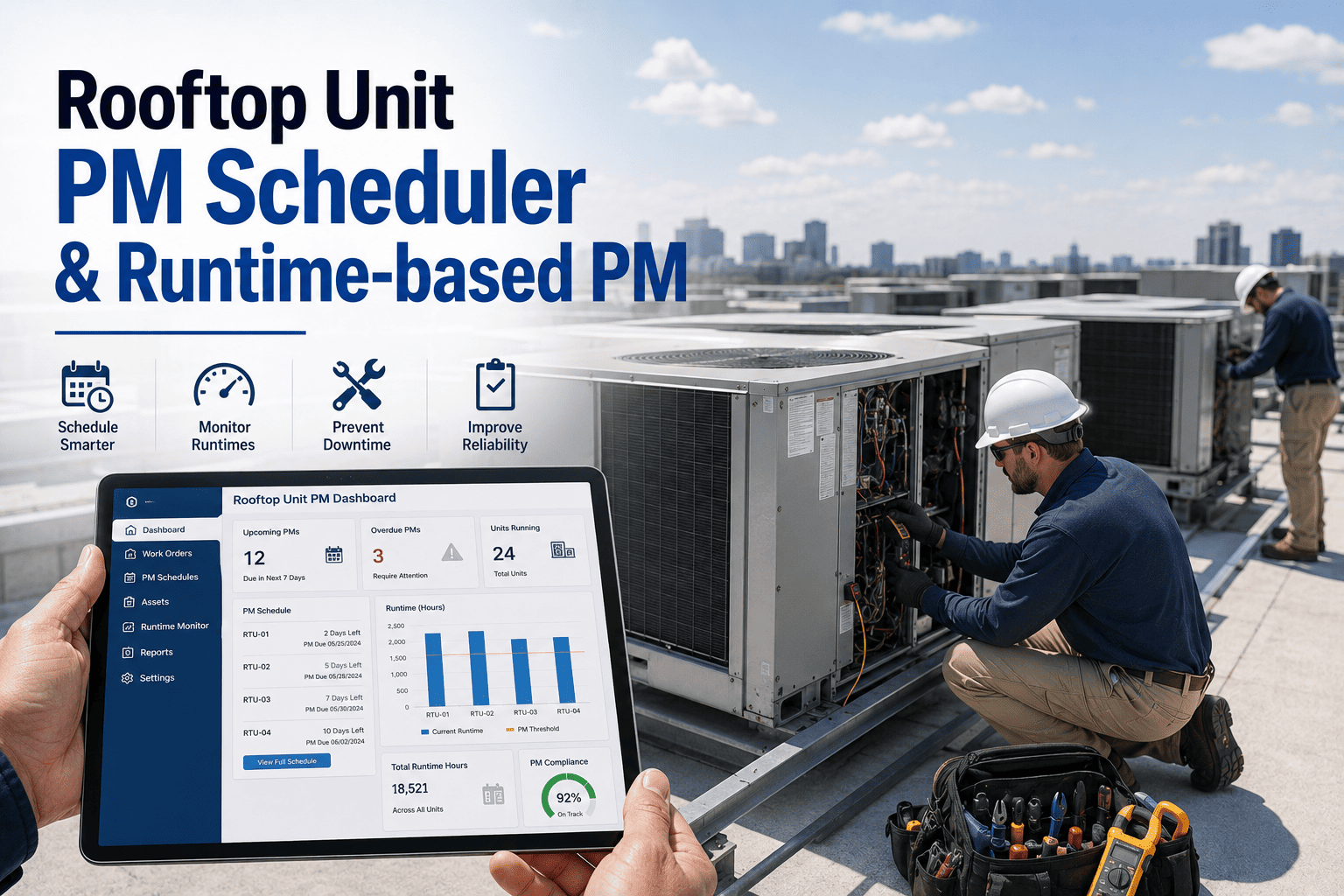
Commercial rooftop HVAC units fail on a runtime curve, not a calendar curve. A 15-ton rooftop unit serving a retail tenant in Phoenix accumulates 4,200 cooling hours per year. The same unit serving an office in Seattle accumulates 1,800. PM intervals built on calendar dates either over-service the cool-climate unit (wasting truck-rolls and parts) or under-service the hot-climate unit (which fails at peak summer load). The fix is runtime-based PM scheduling — every rooftop unit carrying its own PM cadence triggered by accumulated operating hours, seasonal heat-load profile, and condition score. Oxmaint Preventive Maintenance with PLC/IoT Integration, Work Order Management, and Predictive Maintenance produces runtime-driven PM schedules per unit across the portfolio. The result: 30-45% reduction in truck-roll waste, near-zero peak-summer failures, and condition-based replacement planning. Book a demo to see Oxmaint in action.
SWITCH FROM CALENDAR PM TO RUNTIME-DRIVEN PM
Cut truck-roll waste 30-45% and eliminate peak-summer failures on your rooftop fleet.
cooling hours/year for a hot-climate unit vs. 1,800 in cool climate
%
30-45%
truck-roll waste reduction typical with runtime-driven PM
YRS
15-20
% extended useful life on rooftop units under runtime-based PM
X
4.8X
cost of peak-summer emergency replacement vs. planned service
What Runtime-Based PM Actually Means
Runtime-based PM is the practice of scheduling rooftop HVAC preventive maintenance on accumulated operating hours rather than fixed calendar intervals. Each unit's compressor, fan motor, and economiser carries its own runtime counter sourced from BMS, BACnet, or IoT sensors. PMs trigger at threshold runtime — 1,800 hours for belt service, 4,000 hours for compressor inspection, 8,000 hours for major refurbishment — adjusted seasonally and by condition score.
Oxmaint encodes runtime-driven triggers into the PM scheduling module, with BMS and IoT data feeds pulling live runtime data per unit. Start a free trial, or book a demo.
6 Runtime Gauges Oxmaint Tracks Per Unit
Each rooftop unit has its own runtime gauge for the six critical PM triggers. Oxmaint surfaces approaching thresholds in the dispatcher view 30 days ahead.
38%
USED
Belt & Pulley Service
1,800 HR THRESHOLD
Belt tension, alignment, and replacement triggered by runtime — not by season.
62%
USED
Coil Cleaning
2,400 HR THRESHOLD
Condenser and evaporator coil cleaning aligned to actual cooling-load accumulation.
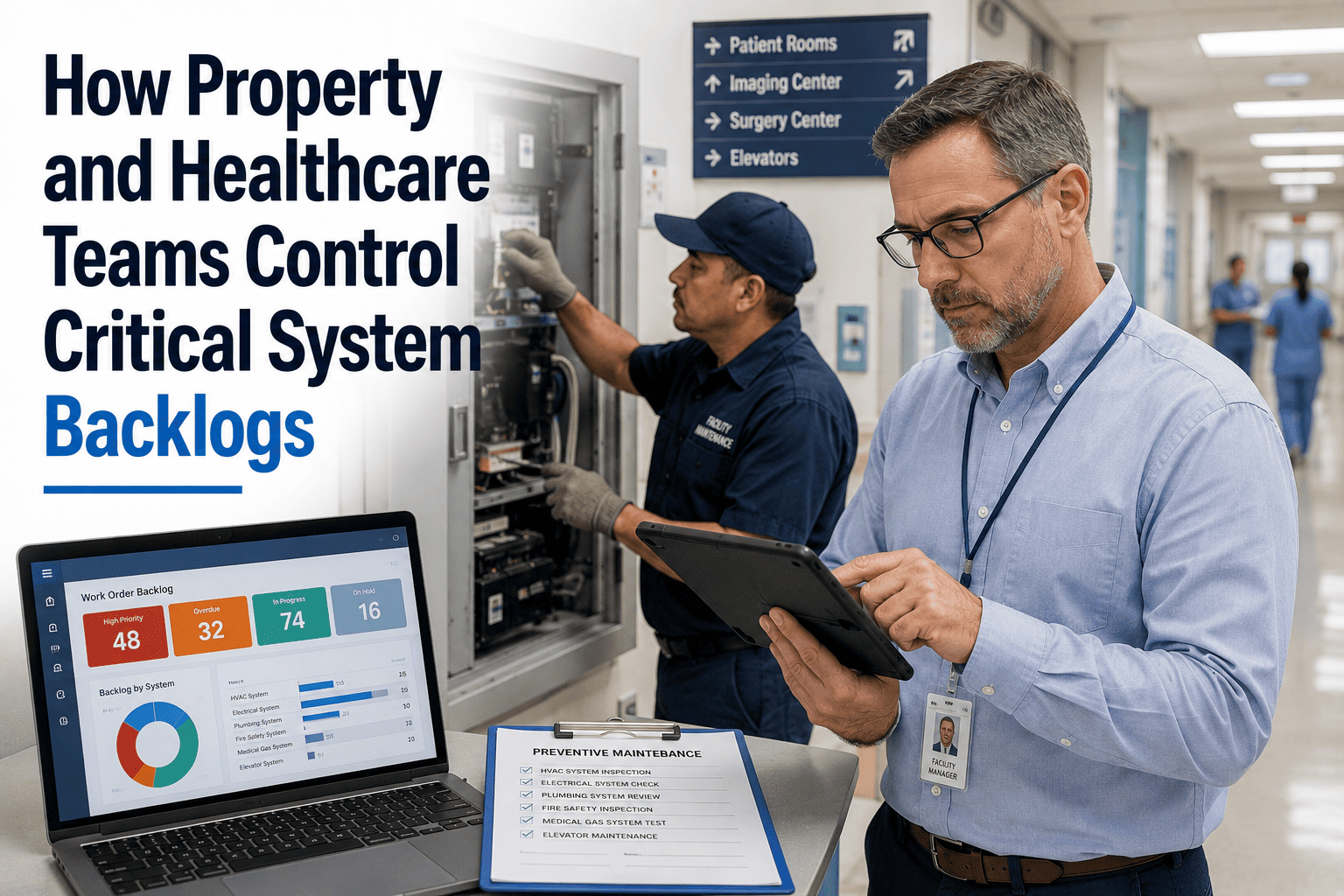
Portfolio dashboards roll up unit count, PM compliance, and replacement forecast across every property.
A peak-summer rooftop failure costs 4.8X more than a scheduled service — Oxmaint surfaces the trigger 30 days early.
Calendar PM vs. Oxmaint Runtime-Driven PM
The HVAC service efficiency gap is runtime-based scheduling captured in one platform with BMS data feeds.
Operational Dimension
Calendar PM Operation
Oxmaint Runtime-Driven PM
PM Trigger
Fixed annual date
Runtime hours, seasonal, condition
Truck-Roll Efficiency
30-45% wasted on unneeded service
Targeted, runtime-driven dispatch
Peak Summer Failures
3-8 per 100 units typical
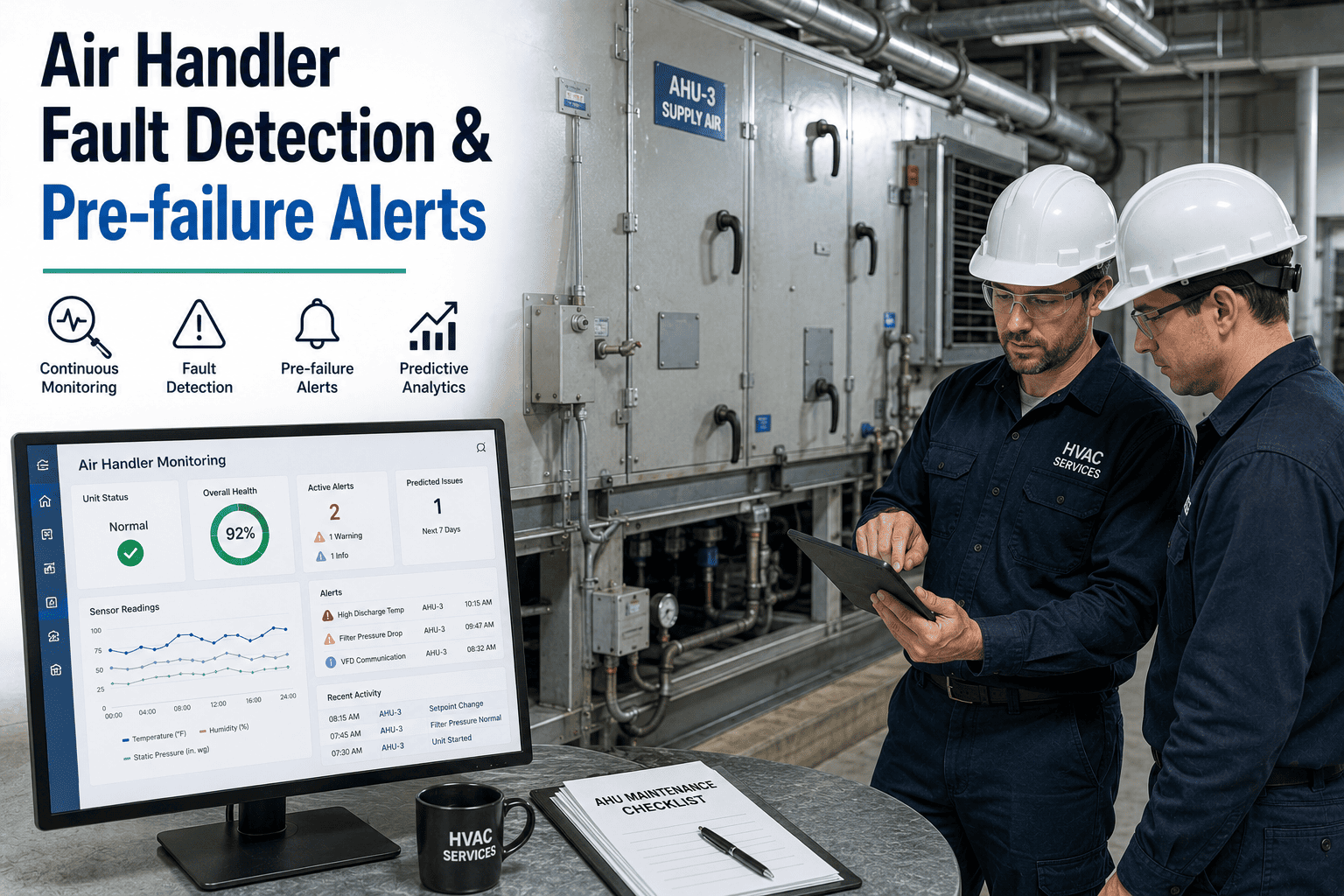
Near-zero with predictive alerts
Compressor Useful Life
12-15 years average
15-18 years with condition-based PM
Parts on Truck at Dispatch
Discovered at need
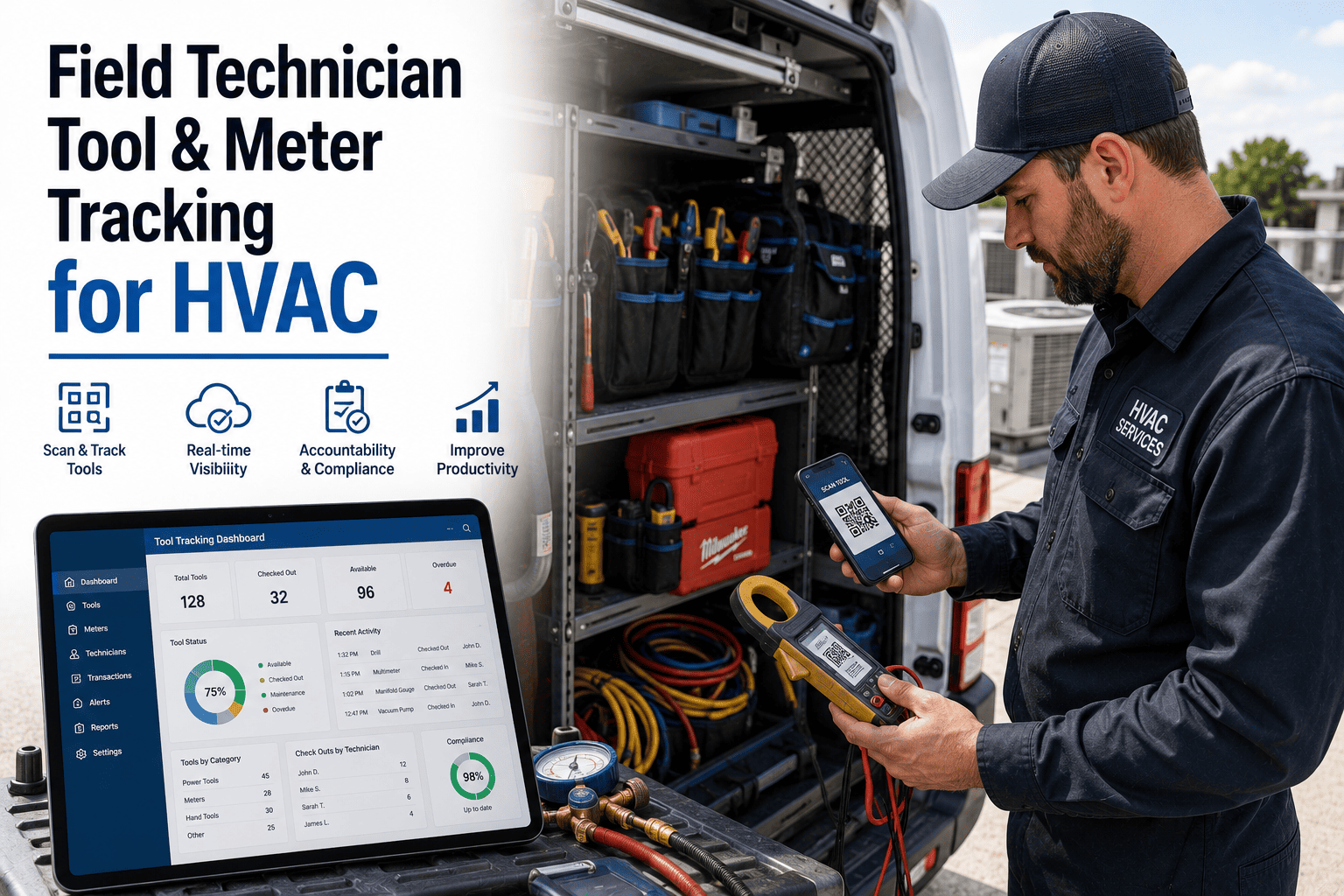
Auto-checked at WO creation
Condition Visibility
Service-tech gut feel
1-5 score per unit, trended
Replacement Forecasting
Reactive when unit fails
24-60 months ahead per unit
Multi-Site Portfolio View
Spreadsheet aggregation
Live portfolio dashboard
ROI & Outcomes From Oxmaint Runtime-Driven HVAC PM
These are the measurable outcomes HVAC operations reach within 12 months of unified Oxmaint deployment.
-38%
truck-roll waste
Through runtime-triggered, condition-based dispatch
-72%
peak-summer failures
Predictive alerts surface failure signs 30 days ahead
+18%
rooftop unit useful life
As condition-based PM replaces calendar-based
3.4X
technician productivity
Through parts-at-creation and runtime targeting
100%
runtime data per unit
BMS and IoT feeds replace operator estimates
75 d
typical payback
On single-portfolio Oxmaint HVAC deployment
These outcomes are what HVAC Service Managers bring to property owners — start a free trial on one portfolio first, or book a demo for the multi-property rollup.
Rooftop HVAC PM FAQ
Does Oxmaint integrate with BMS and BACnet systems
Yes. Oxmaint PLC/IoT Integration connects to BACnet, Modbus, and proprietary BMS systems from major manufacturers so runtime hours, status, alarm codes, and condition data flow into the asset record continuously without manual entry.
Can Oxmaint handle multi-property HVAC portfolios
Yes. Oxmaint Enterprise rollup is built for multi-property HVAC service operations, with site-level KPIs feeding portfolio dashboards visible to property owners, FM directors, and HVAC service company leadership.
What happens to PM compliance reports for ASHRAE and LEED
Oxmaint produces structured PM compliance reports per unit and per building, supporting ASHRAE 90.1 compliance documentation, LEED EBOM credits, and ESG reporting requirements with audit-ready evidence packs.
How long does Oxmaint deployment take for an HVAC operation
A single property or HVAC service company is typically live in 7-14 working days using Oxmaint pre-built HVAC templates. First runtime-triggered PM completed inside week one, full team adoption inside 30 days.
Decision Point
Stop Wasting Truck-Rolls and Losing Units to Peak Heat
Turn every rooftop unit into a runtime-tracked, predictably-serviced asset with Oxmaint. Used by HVAC operations teams managing 10,000+ assets. Live in days, not months.